I still remember sitting in my cubicle back in my financial analyst days, staring at a glowing Bloomberg terminal until my eyes felt like they were bleeding. I used to think that “powering through” was the only way to show I was serious about my career, but honestly? That’s just a recipe for a mid-day meltdown. Most productivity gurus will tell you that you need a fancy, expensive meditation app or a structured hour-long retreat to recharge, but let’s be real: that’s total nonsense when you’re staring down a deadline. Learning how to take better breaks isn’t about adding more tasks to your to-do list; it’s about reclaiming your sanity in the small, messy gaps between the chaos.
I’m not here to sell you on some unrealistic wellness lifestyle that requires a mountain of extra time or money. Instead, I want to share what actually worked for me when I was transitioning from the high-stakes world of finance to the fast-paced kitchen. I’m going to give you some no-nonsense, experience-based strategies—from the culinary art of a sensory reset to the economic logic of resting your brain—so you can fuel your passion without burning out.
Table of Contents
Preventing Cognitive Fatigue With Intentional Micro Breaks

Think of your brain like a high-end kitchen during a dinner rush. You can’t keep the burners on high indefinitely without eventually blowing a fuse or burning the sauce. In my old life as an analyst, I used to think powering through a spreadsheet for four hours straight was a badge of honor, but I was actually just spinning my wheels. Preventing cognitive fatigue isn’t about being lazy; it’s about strategic maintenance. By implementing micro-breaks for mental clarity—even just sixty seconds of looking out the window or stretching—you’re essentially resetting your mental palate so you don’t end up “tasting” nothing but burnout by 3:00 PM.
If you struggle with knowing when to step away, I’m a huge fan of the pomodoro technique benefits. It creates this rhythmic structure where you work intensely and then intentionally pause. However, the real secret sauce is understanding active vs passive rest. Scrolling through Instagram might feel like a break, but it’s actually just more digital noise for your brain to process. Instead, try something tactile—grab a quick snack, stretch, or even just step away from the screen. It’s these tiny, intentional moments that keep your focus sharp and your passion for your work alive.
Improving Focus Through Rest and Delicious Rituals
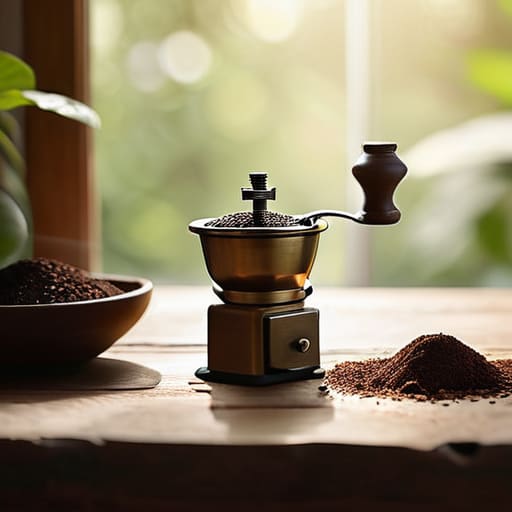
I’ve learned through trial and error that a break isn’t just about stopping work; it’s about how you recharge during that window. In my finance days, I used to think scrolling through social media was a break, but that’s just more digital noise. Now, I swear by the concept of active vs passive rest. Instead of mindlessly swiping, I try to engage my senses. This might mean stepping away from the screen to hand-grind some coffee beans or stepping outside to feel the breeze. These small, sensory-focused rituals act as a reset button for my brain, making the transition back to deep work so much smoother.
If you’re struggling to find a rhythm, I highly recommend experimenting with the pomodoro technique benefits to structure your day. By pairing a focused work sprint with a scheduled, delicious ritual—like savoring a piece of high-quality dark chocolate or a warm matcha—you turn a simple pause into a moment of genuine joy. It’s not just about improving focus through rest; it’s about treating your downtime as a sacred investment in your own creativity and well-being.
My Personal Playbook for Breaks That Actually Recharge You
- Ditch the “doomscrolling” trap. I used to think scrolling through social media was a break, but my brain felt more fried than a tempura shrimp. Instead, try a “sensory reset”—step away from the screen and actually look at something real, like the texture of a wooden cutting board or the view out your window.
- Treat your lunch like a high-stakes meeting with yourself. Don’t eat at your desk while answering emails; that’s not a break, that’s just working while chewing. Invest fifteen minutes in a dedicated, delicious meal where the only goal is to enjoy the flavors.
- Use the “Micro-Movement” method. Coming from the high-pressure world of finance, I learned that sitting still for eight hours is a recipe for mental stagnation. Even a three-minute stretch or a quick walk to the kitchen to brew some loose-leaf tea can reset your cognitive load.
- Curate a “Break Toolkit.” Just like I collect vintage cookbooks, I love having a collection of small joys ready to go. Keep a high-quality dark chocolate bar, a specific playlist, or a fragrant herbal tea nearby so that when you do step away, the transition to relaxation is instant and intentional.
- Schedule your downtime like a non-negotiable line item in a budget. If it isn’t on the calendar, it usually doesn’t happen. Treat your afternoon rest periods with the same respect you’d give a client call—because your mental energy is your most valuable asset.
The Bottom Line: Investing in Your Rest
Treat your breaks like a strategic business investment; stepping away isn’t “lost time,” it’s the essential maintenance required to keep your mental capital growing.
Stop settling for mindless scrolling during your downtime and start incorporating sensory experiences—like a perfectly brewed matcha or a quick walk—to actually reset your nervous system.
Remember that sustainable success is a marathon, not a sprint, so build your career around rituals that nourish both your bank account and your soul.
The ROI of Rest
“We often treat breaks like we’re stealing time from our productivity, but as someone who moved from spreadsheets to sourdough, I’ve learned that a real, intentional pause isn’t a luxury—it’s the most important investment you can make in your own long-term success.”
Rachel Anderson
Making Space for What Matters

At the end of the day, reclaiming your productivity isn’t about squeezing more hours out of a grueling workday; it’s about being smarter with the energy you actually have. We’ve talked about how those tiny, intentional micro-breaks can stop cognitive fatigue in its tracks, and how transforming your lunch hour into a delicious, sensory ritual can completely reset your focus. Whether you’re stepping away for five minutes of deep breathing or indulging in a perfectly seasoned snack, you are essentially making a strategic investment in your own mental capital. Don’t view these moments as “lost time”—view them as the fuel that keeps your professional engine running without burning out.
Transitioning from the high-stakes world of finance to the chaotic, beautiful life of a food entrepreneur taught me one thing: you cannot pour from an empty cup. If you spend your entire life grinding through the burnout, you’ll eventually lose sight of the very passions that drove you to work so hard in the first place. So, please, give yourself permission to step away from the screen. Pursue your career with ambition, but never sacrifice your joy for the sake of a spreadsheet. Life is far too short to spend it all in a state of exhaustion. Go grab something tasty, take a breath, and remember that you are more than your output.
Frequently Asked Questions
How do I actually schedule these micro-breaks when I'm stuck in back-to-back meetings or facing a heavy deadline?
I totally get it—when you’re staring down a deadline or trapped in a marathon of Zoom calls, “taking a break” feels like a luxury you can’t afford. But here’s the secret: don’t wait for a gap; create one. Try the “Meeting Buffer” trick—block five minutes on your calendar immediately after calls. Even if it’s just standing up to stretch or grabbing a quick, mindful bite of something delicious, those tiny pockets of breathing room are non-negotiable for your sanity.
Are there specific types of food or snacks that actually help boost my focus rather than just giving me a sugar crash later?
I totally get it—I used to live on office vending machine granola bars, only to crash by 3 PM. To keep your brain sharp without the sugar roller coaster, aim for “slow-burn” fuel. Think walnuts or almonds for healthy fats, or Greek yogurt with a handful of blueberries. Even some dark chocolate can work wonders! It’s all about pairing complex carbs with protein to keep your glucose levels steady while you crush your goals.
How can I set boundaries with my colleagues so they respect my "unplugged" time without thinking I'm being unproductive?
Look, I get it—when you’re used to the high-stakes grind, stepping away feels like you’re falling behind. But here’s the secret: treat your boundaries like a scheduled meeting. Instead of just disappearing, try saying, “I’m stepping away for a quick recharge to tackle [Project X] with fresh eyes at 2:00 PM.” By framing your break as a strategic tool for better output, you aren’t being lazy; you’re being a professional who values quality over mindless busyness.