I remember sitting at my kitchen island three years ago, staring at a spreadsheet that refused to make sense while the scent of garlic and shallots from my simmering risotto wafted through the air. I had this massive pile of financial reports to finish, but my mind was completely hijacked by the timer on the stove. That was the moment I realized that the “hustle culture” advice about productivity working from home is often a total lie. Most gurus tell you to treat your house like a sterile corporate office, but if you try to strip away the soul of your home just to squeeze out an extra hour of work, you’re going to end up miserable and burnt out.
I’m not here to sell you on some expensive, color-coded planner or a rigid eight-hour block schedule that ignores your humanity. Instead, I want to share how I actually learned to master my workflow by blending my analytical finance brain with my culinary heart. I’ll show you how to build a sustainable rhythm that prioritizes meaningful output over busywork, so you can crush your professional goals without sacrificing the joy of a home-cooked meal or the peace of your own space.
Table of Contents
- Deep Work Strategies for Remote Employees and Soulful Living
- Minimizing Home Distractions to Protect Your Creative Spark
- My Secret Sauce for Crushing Your To-Do List Without Losing Your Mind
- Making It Stick: My Top Three Rules for WFH Success
- The Secret Ingredient to Remote Success
- Finding Your Rhythm in the Remote Life
- Frequently Asked Questions
Deep Work Strategies for Remote Employees and Soulful Living
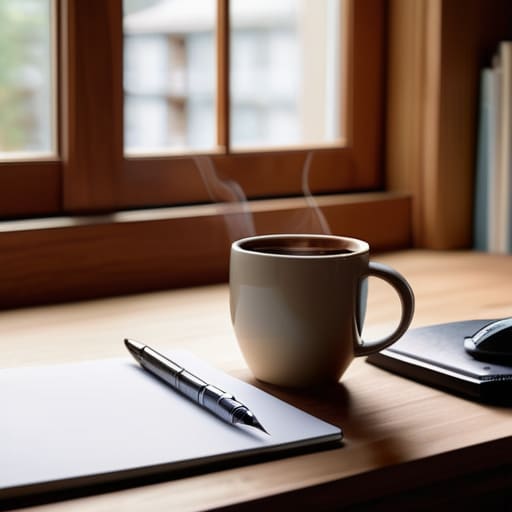
When I was grinding away in the financial sector, my focus was purely on the bottom line. But since transitioning to the culinary world, I’ve realized that true efficiency isn’t just about clocking hours; it’s about the quality of your attention. To really thrive, you need to implement specific deep work strategies for remote employees that protect your mental energy. I’ve found that carving out ninety-minute blocks of uninterrupted time—where my phone is in another room and my tabs are closed—is the only way to tackle complex projects without feeling like my brain is turning to mush by noon.
Of course, you can’t achieve that flow state if you’re battling a mountain of laundry or a noisy neighbor. Minimizing home distractions is a non-negotiable part of my daily ritual. I like to treat my workspace like a sacred kitchen: everything has its place, and there’s a clear boundary between “prep time” and “service.” By creating these intentional zones, you aren’t just managing your schedule; you’re protecting your peace, ensuring that when the laptop finally shuts, you actually have the mental bandwidth left to enjoy a glass of wine and a home-cooked meal.
Minimizing Home Distractions to Protect Your Creative Spark

We’ve all been there: you finally sit down with a fresh cup of coffee, ready to tackle that complex spreadsheet or draft a new menu, only to realize the laundry pile is staring you down or the neighbor has decided that 10:00 AM is the perfect time for power tools. When your office is also your sanctuary, minimizing home distractions becomes a psychological game as much as a physical one. I used to think I could just “power through” the chaos, but I quickly learned that my brain was constantly switching gears, which is the ultimate killer of creative momentum.
To really protect that spark, I had to treat my workspace with the same respect I give my professional kitchen. It’s not just about having a clean desk; it’s about creating a ritualistic boundary. Investing in an ergonomic home office setup was a game-changer for me—not just for my back, but for my mental state. When I step into my designated “work zone,” my brain receives a clear signal that it’s time to produce, not to procrastinate. By setting these physical and mental guardrails, you aren’t just managing your time; you’re guarding your mental energy for the things that truly matter.
My Secret Sauce for Crushing Your To-Do List Without Losing Your Mind
- Treat your lunch break like a sacred culinary ritual; step away from the screen to actually taste your food, because scrolling through emails while eating a salad is a one-way ticket to burnout.
- Implement a “closing time” for your home office to create a psychological boundary between your professional grind and your personal sanctuary, ensuring you don’t end up working until dinner is cold.
- Batch your administrative “shallow work”—like answering those endless Slack messages—into specific time blocks so they don’t bleed into the hours meant for your high-level, deep-thinking projects.
- Curate a sensory workspace that fuels your focus, whether that’s a specific lo-fi playlist or the scent of a fresh rosemary sprig, to signal to your brain that it’s time to get down to business.
- Use the “one big win” method by identifying the single most important task for your day, ensuring that even if the afternoon gets chaotic, you’ve moved the needle on what actually matters for your career growth.
Making It Stick: My Top Three Rules for WFH Success
Protect your “deep work” blocks like they’re your most precious heirloom cookbook; once you find that flow, don’t let a random notification or a pile of laundry break the spell.
Build a physical boundary between your professional grind and your personal sanctuary so you can actually clock out mentally and enjoy the meal you spent all afternoon prepping.
Treat your productivity like a balanced budget—don’t overspend your energy early in the day, or you’ll end up “bankrupt” and too exhausted to enjoy the life you’re working so hard to fund.
The Secret Ingredient to Remote Success
“Productivity at home isn’t about squeezing every last drop of labor out of your eight-hour window; it’s about mastering your workflow so efficiently that you actually have the mental bandwidth left to enjoy a slow, intentional meal and the life you’re working so hard to build.”
Rachel Anderson
Finding Your Rhythm in the Remote Life
At the end of the day, mastering remote productivity isn’t about turning yourself into a productivity-obsessed robot or filling every waking second with spreadsheets. It’s about implementing those deep work sessions and protecting your mental space from the chaos of home life so that your professional output remains sharp. By minimizing those tiny distractions and being intentional with your focus, you aren’t just getting more done; you are actually reclaiming your time. You’re setting the stage to finish your tasks efficiently, which is the only way to ensure you aren’t staring at a screen well past sunset when you should be enjoying a glass of wine or experimenting with a new recipe.
As you navigate this balance between your career ambitions and your personal sanctuary, remember that your worth isn’t defined solely by your output. Use these tools to build a life where your work fuels your passion rather than draining it dry. Whether you’re crunching numbers or designing a new menu, strive to create a workflow that leaves you with the energy and inspiration to truly live. You deserve a career that pays the bills and a life that tastes incredible. So, go ahead—set those boundaries, crush those goals, and make room for what makes you feel alive.
Frequently Asked Questions
How do I stop my workday from bleeding into my personal time so I actually have the mental energy to cook a real meal?
The secret is creating a “sensory bridge” between your spreadsheets and your stove. When the clock hits five, physically close your laptop—don’t just minimize the window. Change your clothes, put on a specific playlist, or even just wash your hands with a fragrant citrus soap. This signals to your brain that the “analyst” is off the clock and the “chef” is stepping in, preventing that mental fog from stealing your evening.
Can you share some budget-friendly ways to set up a dedicated workspace if I’m working from a small apartment?
Living in a tiny SF studio taught me that you don’t need a sprawling home office to be productive. I’m a big believer in the “zoning” method. Grab a small, sturdy bistro table or even a repurposed console for your desk—it keeps costs low. Use a dedicated lamp to signal “work mode” to your brain, and when the day is done, tuck your laptop away. It’s all about creating mental boundaries so your home stays your sanctuary.
How do I stay motivated and avoid that mid-afternoon slump when my only "coworker" is my cat?
Honestly, I’ve been there. When it’s just me and my cat, the afternoon slump feels less like a lull and more like a total motivation crash. My trick? Treat your lunch like a real event. Step away from the screen, put on a podcast, and actually eat something nourishing—not just a handful of crackers. A quick kitchen dance party or a five-minute stretch helps reset your brain so you can crush the rest of your day.