I still remember sitting in my cubicle at the firm in San Francisco, surrounded by the aggressive clacking of mechanical keyboards and the constant hum of the espresso machine, feeling my brain turn to mush. I had a mountain of financial models to reconcile, but every time I tried to dive in, the office chatter pulled me right back out. I tried everything people suggested—noise-canceling headphones, white noise machines, even those expensive “brain-wave” apps—but nothing worked. I realized that learning how to focus with music wasn’t about finding some magical, expensive frequency; it was about finding the right rhythm for your specific workflow.
In this post, I’m stripping away the pseudo-science and the overpriced subscriptions to give you the real deal. I want to share the exact, battle-tested methods I use to transition from the analytical grind of my finance days to the creative chaos of my kitchen. We’re going to explore how to curate a sonic environment that actually protects your mental energy without becoming a distraction itself. No fluff, no hype—just honest, experience-based strategies to help you find your flow and get things done.
Table of Contents
Binaural Beats for Productivity and Career Flow
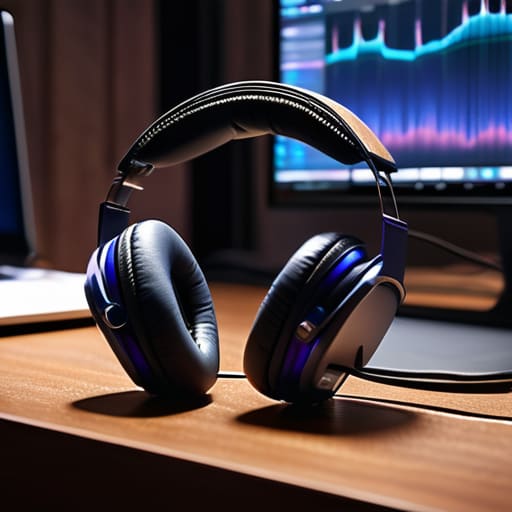
If you’ve ever felt like your brain is a browser with fifty tabs open—which, let’s be real, was my default state during my days analyzing market trends—you need to look into the science of frequency. I stumbled upon binaural beats for productivity during a particularly grueling tax season, and it was a total game-changer. Unlike a catchy pop song that might distract you, these beats use two slightly different frequencies in each ear to nudge your brain into a specific state, like deep focus or relaxation. It’s almost like a mental seasoning that helps your cognitive processes blend together seamlessly.
I’ve found that when I’m tackling complex spreadsheets or drafting a new business plan, these steady pulses act as a sort of anchor. While some people swear by the cozy vibes of lofi hip hop for studying, I tend to lean toward binaural beats when I need to enter a state of “flow” where time just seems to disappear. It’s not about being entertained; it’s about using auditory stimulation and attention span management to create a private sanctuary of concentration, no matter how chaotic the world around you might be.
The Impact of Lyrics on Concentration and Joy
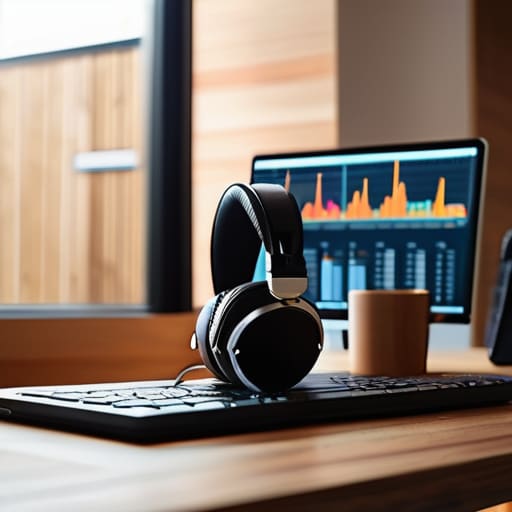
Now, let’s talk about the elephant in the room: those catchy pop hits we all love to belt out in the car. While I’m a huge fan of a good upbeat anthem while I’m prepping a complex risotto, I’ve learned the hard way that singing along to lyrics is the ultimate enemy of deep work. When I was still working as a financial analyst, I’d often try to power through spreadsheets while listening to my favorite indie playlists, only to realize I’d re-read the same line five times. There is a real impact of lyrics on concentration because our brains are hardwired to process language; essentially, your mind is trying to multitask between the data on your screen and the story being told in your ears.
If you’re feeling that mental friction, I highly recommend pivoting toward something more instrumental. I’ve found that switching to lofi hip hop for studying or even just some mellow instrumental jazz provides that perfect rhythmic backbone without the linguistic distraction. It creates a sonic “buffer” that keeps the world at bay, allowing you to enter that sweet spot of flow where your career goals and your creative energy finally start to dance in sync.
My Personal Playbook for Finding Your Sonic Sweet Spot
- Curate specific playlists for specific tasks. Just like I wouldn’t use a heavy garlic sauce for a delicate dessert, don’t use high-energy EDM when you’re trying to crunch numbers on a spreadsheet. I keep a “Deep Work” playlist of lo-fi beats for heavy lifting and a “Creative Spark” set of jazz for when I’m brainstorming new menu concepts.
- Master the art of the “Low-Volume Buffer.” I’ve learned that music shouldn’t be the main event; it should be the background ambiance. Keep the volume just high enough to drown out the neighbor’s leaf blower or the office chatter, but low enough that you aren’t actively “listening” to the tracks.
- Use familiar sounds to bypass the “new song” distraction. When I’m facing a daunting financial report, I tend to go back to albums I’ve heard a thousand times. If the music is familiar, your brain doesn’t waste precious cognitive energy trying to predict the next melody, letting you stay locked into your flow.
- Don’t be afraid of silence if the music starts to feel like “noise.” There’s a fine line between a helpful soundtrack and sensory overload. If you find yourself tapping your foot or singing along instead of working, it’s a sign to hit pause and embrace the quiet for a bit.
- Leverage “Pink Noise” for intense focus sessions. While white noise is common, I’ve found that pink noise—which sounds a bit more like steady rain or rustling leaves—is much more soothing. It provides that consistent sonic blanket that helps me tune out the world without the jarring peaks of certain musical genres.
Finding Your Sonic Sweet Spot
Treat your playlist like a recipe; just as you wouldn’t crowd a pan with too many ingredients, don’t overwhelm your brain with lyrical complexity when you’re deep in a high-stakes spreadsheet.
Don’t be afraid to switch “flavors” of sound—use steady, instrumental beats to build your professional momentum, but save the high-energy tracks for when you need a creative boost to fuel your passion projects.
Listen to your mental hunger; if a certain genre starts feeling like “noise” rather than “fuel,” pivot immediately to keep your focus from burning out.
Finding Your Rhythm
“Just like balancing a complex recipe or a tight quarterly budget, finding your focus isn’t about silencing the world—it’s about choosing the right soundtrack to turn the noise into a melody that fuels your ambition.”
Rachel Anderson
Finding Your Perfect Rhythm

At the end of the day, finding your focus isn’t about following a strict rulebook; it’s about understanding how your brain interacts with the sounds around you. Whether you’re leaning into the deep, steady frequencies of binaural beats to crush a complex financial spreadsheet or opting for lyric-free instrumental tracks to avoid mental clutter, the goal is to create a sensory environment that works for you. I’ve learned through my own transition from the trading floor to the kitchen that the right auditory backdrop can be the difference between a stressful grind and a truly productive flow state. It’s all about experimenting with what helps you tune out the noise and tune into your best work.
As you navigate the delicate balance between your professional ambitions and your personal passions, remember that your productivity tools should serve your happiness, too. Don’t be afraid to pivot your playlist as your tasks change, just like you’d adjust a recipe to suit your palate. Life is far too short to spend it struggling through silence or distracted by the wrong tempo. Use music as your secret ingredient to harmonize your hustle, and let it fuel the journey toward a career that feels as good as it looks on paper. You’ve got this!
Frequently Asked Questions
Is there a specific genre of music that works best when I'm trying to crunch numbers or handle complex financial tasks?
When I was still staring at spreadsheets in my analyst days, I learned that heavy lyrics are the enemy of complex math. For crunching numbers, I swear by Lo-fi beats or Baroque classical. There’s something about the predictable, steady tempo of Bach that keeps my brain from wandering while I’m deep in a pivot table. Think of it like a recipe: you want a consistent simmer, not a chaotic boil, to get the best results.
How do I prevent my favorite upbeat playlists from becoming a distraction instead of a motivator?
I totally get it—sometimes my “get things done” playlist turns into a full-blown kitchen dance party instead of a deep-work session! To keep that energy from derailing your focus, try using upbeat tracks as “transition fuel.” Save the high-tempo hits for when you’re tackling administrative tasks or cleaning up after a big meal, but switch to instrumental Lo-Fi or jazz when you need to dive into heavy analytical work. It’s all about strategic timing.
Can listening to music actually help prevent burnout when I'm balancing my side hustle with a full-time job?
Absolutely. I call it “auditory boundary setting.” When I was balancing spreadsheets by day and perfecting sourdough recipes by night, music was my mental reset button. Using upbeat, instrumental tracks for your side hustle can signal to your brain that the “second shift” is about joy, not just more labor. It prevents that heavy, cognitive fatigue by creating a sensory distinction between your corporate grind and your creative passion.