I remember sitting in my cubicle back in San Francisco, staring at a spreadsheet of quarterly projections, feeling like my soul was slowly being replaced by Excel formulas. I had the “perfect” routine—color-coded planners, early morning jogs, and a rigid schedule that would make a Swiss watchmaker weep—but I was still completely uninspired. We’ve been sold this lie that learning how to be more disciplined means turning ourselves into unfeeling, productivity-obsessed robots who never deviate from a checklist. Honestly? That’s the fastest way to burn out before you even get to the good part of your life.
I’m not here to sell you on some expensive, aesthetic productivity system or a “rise and grind” mantra that leaves you exhausted and hungry. Instead, I want to share the real-world strategies I used to transition from the high-stakes world of finance to the beautiful chaos of food entrepreneurship. We’re going to talk about building a discipline that actually serves your dreams—one that balances your bank account, your career ambitions, and the freedom to enjoy a perfectly cooked meal without a shred of guilt.
Table of Contents
- Mastering Habit Formation Strategies for a Joyful Life
- Goal Setting for Consistency Without Losing Your Spark
- My Five Non-Negotiables for Staying on Track (Without Losing Your Mind)
- The Secret Sauce: Bringing It All Together
- Discipline is the Secret Ingredient
- Finding Your Rhythm
- Frequently Asked Questions
Mastering Habit Formation Strategies for a Joyful Life
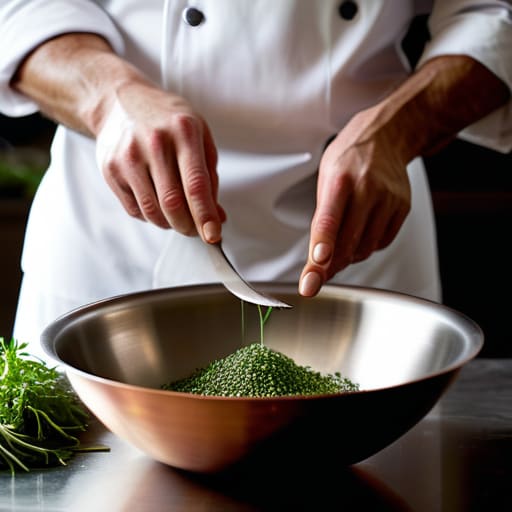
When I first transitioned from the structured world of financial modeling to the chaotic, beautiful reality of running a kitchen, I realized that motivation is a fickle friend. You can’t rely on a “burst of inspiration” to prep your mise en place or balance your quarterly budget. Instead, I had to lean heavily into habit formation strategies that felt less like a chore and more like a rhythm. I started small—not by trying to overhaul my entire life overnight, but by anchoring new behaviors to things I already loved. Think of it like building a complex sauce; you don’t just throw everything in at once, you layer the flavors slowly until the base is strong enough to support the rest.
The real secret, though, lies in developing willpower and self-control through micro-wins. I used to think discipline meant being a rigid drill sergeant, but it’s actually about creating a daily routine for productivity that leaves room for a glass of wine and a good book at the end of the day. By focusing on tiny, repeatable actions—like prepping my grocery list the night before or setting aside thirty minutes for deep work—I built the momentum needed to tackle the bigger, scarier professional goals without burning out.
Goal Setting for Consistency Without Losing Your Spark
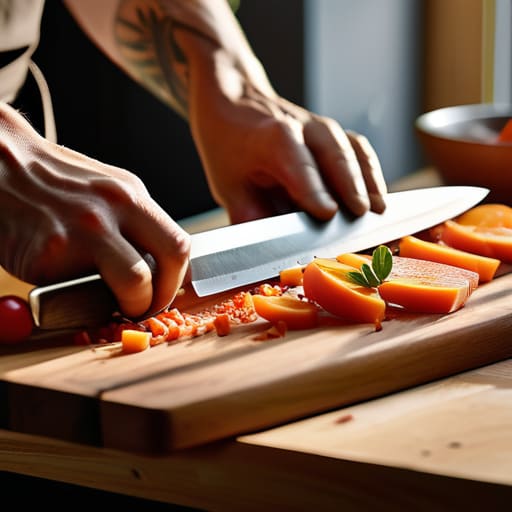
When I was working in finance, I used to set these massive, intimidating quarterly goals that felt more like heavy weights than actual targets. I thought that if I wasn’t constantly grinding, I was failing. But transitioning into the culinary world taught me a hard lesson: if your goals are too rigid, you’ll burn out before you even get the appetizers out. Real goal setting for consistency isn’t about setting impossible benchmarks; it’s about creating a roadmap that actually accounts for your humanity. It’s the difference between deciding to “run a marathon” and deciding to “walk for twenty minutes after dinner.”
To keep that fire alive, I’ve started breaking my ambitions down into “micro-wins.” Instead of viewing discipline as a grueling marathon of developing willpower and self-control, I see it as a series of small, delicious victories. Think of it like perfecting a complex sourdough starter—you don’t get the perfect crust overnight, but you respect the small, daily steps. When your goals feel manageable, you stop viewing discipline as a punishment and start seeing it as the fuel that keeps your dream cooking.
My Five Non-Negotiables for Staying on Track (Without Losing Your Mind)
- Audit your “Energy ROI.” In finance, we look at return on investment, but in life, you need to look at your energy. If a certain habit or task drains you more than it fuels you, stop forcing it. Discipline isn’t about mindless grinding; it’s about strategically allocating your mental energy to the things that actually move the needle toward your dreams.
- Build a “Financial Safety Net” for your passion. One of the biggest enemies of discipline is fear—specifically, the fear of running out of money. When I transitioned from analysis to food entrepreneurship, I made sure my runway was long enough so that I wasn’t making desperate, undisciplined decisions. Having that cushion allows you to stay disciplined to your long-term vision rather than reacting to short-term stress.
- Use the “Mise en Place” Method for your day. In the kitchen, mise en place means having everything in its place before you even turn on the stove. Apply this to your workflow. Set out your tools, prep your workspace, and clear your distractions the night before. When you remove the friction of “getting started,” discipline becomes a natural progression rather than a daily battle of willpower.
- Stop aiming for perfection and start aiming for “Good Enough to Continue.” I see so many people quit their goals because they had one bad day or missed one workout. That’s not how growth works. If a recipe goes slightly wrong, you adjust the seasoning; you don’t throw the whole pot in the trash. If you slip up, acknowledge it, pivot, and get back to it immediately.
- Reward your discipline with something sensory. If you’ve been incredibly disciplined with your budget or your new business plan all week, celebrate it! Go to that new fusion spot in the Mission or cook a complex, slow-burn meal you’ve been eyeing in one of my vintage cookbooks. Linking your hard work to a tangible, delicious reward creates a positive feedback loop that makes staying disciplined feel less like a chore and more like a lifestyle.
The Secret Sauce: Bringing It All Together
Discipline isn’t a cage; it’s the recipe. Just like a perfectly balanced reduction sauce, your habits and goals provide the structure that allows your creativity and passion to truly shine without boiling over into chaos.
Protect your “financial pantry.” True discipline means being intentional with your resources—both your money and your energy—so that when a once-in-a-lifetime culinary or career opportunity arises, you actually have the stability to say yes.
Forgive the burnt edges. There will be days when you fall off your routine or miss a target, and that’s okay. Real growth isn’t about perfection; it’s about having the resilience to get back in the kitchen and try again tomorrow.
Discipline is the Secret Ingredient
“Think of discipline not as a restrictive diet for your soul, but as the prep work that makes the actual cooking possible—it’s the structure that gives you the freedom to eventually stop following the recipe and start creating your own life.”
Rachel Anderson
Finding Your Rhythm

At the end of the day, building discipline isn’t about turning yourself into a rigid spreadsheet or a mindless robot. It’s about the strategic marriage of smart habit formation and goal setting that actually leaves room for your soul to breathe. We’ve talked about how to structure your routines so they work for you, rather than against you, and how to set targets that keep you moving forward without extinguishing the very fire that started this journey in the first place. Remember, the goal isn’t perfection; it’s about creating a sustainable framework where your professional ambitions and your personal joys can finally coexist in harmony.
As you step away from this screen and back into your life, I want you to remember that even the most complex recipes—and the most successful career pivots—require a little bit of patience and a lot of grace. There will be days when your discipline wavers, and that is perfectly okay. Don’t let a single missed beat convince you that you’ve failed the entire mission. Instead, treat those moments like a fallen soufflé: acknowledge it, learn from the temperature change, and get back into the kitchen. You have the tools to build a life that is both financially secure and deeply delicious. Now, go out there and chase what makes you feel alive.
Frequently Asked Questions
How do I stay disciplined when my passion for a new project starts to feel more like a grueling chore than a dream?
We’ve all been there—that honeymoon phase ends, and suddenly, your dream project feels like a mountain of spreadsheets. When the spark dims, stop trying to power through with sheer willpower. Instead, zoom out. Reconnect with your “why” over something nourishing, like a slow-cooked risotto. Sometimes, discipline isn’t about pushing harder; it’s about recalibrating your pace so you don’t burn out before you reach the finish line.
Is it possible to build strict professional discipline without losing the creative spontaneity that makes cooking (or any passion) fun?
Honestly, I used to think discipline was the enemy of creativity—like a strict recipe would kill the soul of a dish. But after transitioning from finance to the kitchen, I’ve realized it’s actually the opposite. Think of discipline as your mise en place. By automating the “boring” stuff—like your schedule or your budget—you actually clear the mental clutter. That way, when it’s time to create, you have the freedom to play without the stress of falling apart.
How can I maintain my discipline during those inevitable "financial dry spells" when the stress of money makes it hard to focus on my long-term goals?
When the bank account looks a little thin, it’s easy to let your discipline crumble under the weight of “survival mode.” My advice? Don’t try to overhaul your entire life when you’re stressed. Instead, lean into “micro-habits.” Treat your discipline like a budget: when resources are low, tighten the focus. Stick to the non-negotiables—like a morning routine or a simple, cost-effective meal—to keep your momentum alive until the tide turns.