I remember sitting in my old San Francisco apartment, surrounded by half-unpacked boxes and a mountain of shiny, expensive gadgets I’d bought because a tech influencer told me they were “essential.” I had my finance degree in one hand and a manual for a smart toaster in the other, feeling like a total idiot because none of it actually made my life easier. We’ve been sold this lie that a “smart home” requires a massive budget and a degree in computer science, but when it comes to how to choose tech for your home, most of the hype is just noise designed to drain your bank account.
I’m not here to sell you on the latest bells and whistles that will inevitably end up gathering dust in a drawer. Instead, I want to help you apply a little bit of that analytical rigor I learned in my finance days to your domestic life. I’m going to show you how to vet every gadget through a lens of practical utility and long-term value, ensuring your tech actually serves your passions—whether that’s automating your meal prep or just giving you more time to unwind with a great book.
Table of Contents
- Essential Smart Home Gadgets for a Fulfilling Lifestyle
- Smart Home Ecosystem Compatibility for Seamless Living
- My Golden Rules for Tech That Actually Serves Your Life (and Your Budget!)
- Making Tech Work for Your Life, Not the Other Way Around
- Investing in Your Sanctuary
- Finding Your Home’s Perfect Rhythm
- Frequently Asked Questions
Essential Smart Home Gadgets for a Fulfilling Lifestyle
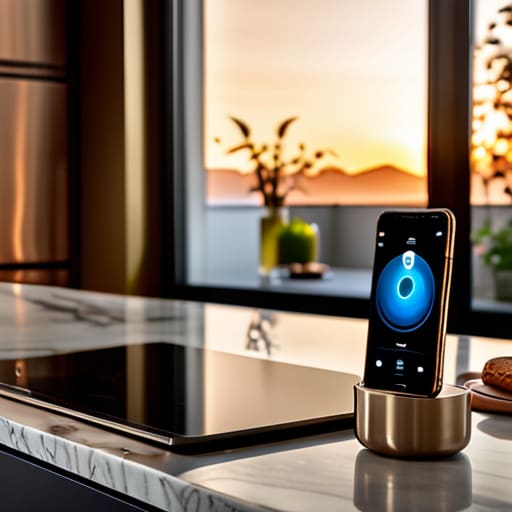
When I first started transitioning from my desk at the firm to my own kitchen, I realized that my time was my most precious asset. To make the most of it, I started looking into essential smart home gadgets that could actually lighten my mental load. For me, that meant investing in a smart oven that I can preheat from my phone while I’m finishing up some freelance consulting work. It’s not about having every shiny new toy; it’s about intentionality. I always recommend starting with a solid plan for home automation budget planning so you don’t find yourself chasing every gadget without a clear purpose.
Another game-changer has been setting up smart lighting and sound systems that shift the mood of my space instantly. Whether I’m deep in a spreadsheet or hosting a fusion taco night, the atmosphere matters. However, as someone who spent years analyzing risk, I can’t stress enough how important it is to prioritize smart home ecosystem compatibility. You don’t want a collection of devices that refuse to talk to one another; you want a seamless flow that actually supports your lifestyle rather than adding more tech-induced stress to your plate.
Smart Home Ecosystem Compatibility for Seamless Living
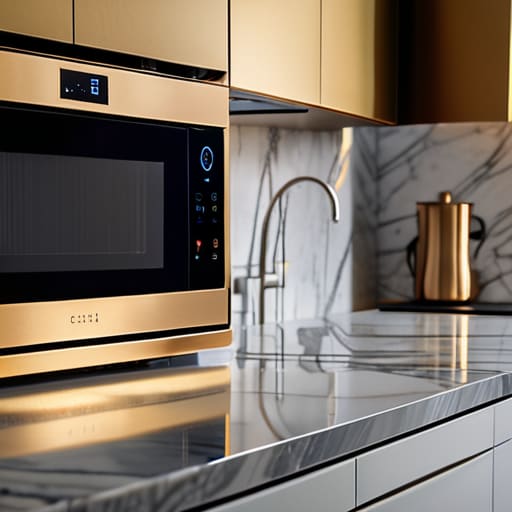
Now, here’s where my old analyst brain kicks in and meets my inner foodie. Before you go out and grab every shiny new gadget that promises to revolutionize your life, you have to talk about smart home ecosystem compatibility. I’ve seen so many people fall into the trap of buying a brilliant smart oven that refuses to talk to their existing smart hub, and let me tell you, nothing kills a dinner party vibe faster than a tech glitch. Think of it like a recipe; you wouldn’t add heavy cream to a delicate citrus sauce and expect it to emulsify perfectly. You want your devices to speak the same language so that integrating smart devices feels like a choreographed dance rather than a chaotic kitchen brawl.
I always tell my friends to look at the big picture—whether you’re leaning toward Apple HomeKit, Alexa, or Google Assistant—to ensure you’re future-proofing home technology. Investing in a cohesive system might feel like a bigger upfront cost, but it saves you from the “tech tax” of having to replace incompatible gear a year down the line. It’s all about building a foundation that supports your lifestyle, giving you more time to focus on what actually matters: enjoying a beautiful meal in a home that just works.
My Golden Rules for Tech That Actually Serves Your Life (and Your Budget!)
- Audit your “daily friction” before you buy. Ask yourself: Is this gadget solving a genuine problem in my routine, or is it just a shiny distraction? If it doesn’t save you time for something meaningful—like prepping a new recipe or relaxing after a long day—it’s probably not worth the investment.
- Think like an economist: Calculate the “Cost Per Joy.” A high-end smart oven might seem pricey, but if it streamlines your meal prep and helps you master complex dishes every week, the long-term value to your lifestyle is massive compared to a cheap gadget that sits in a drawer.
- Prioritize “Invisible Tech” that simplifies rather than complicates. I love tools that work quietly in the background, like smart lighting that adjusts to your mood or a thermostat that learns your schedule. You want tech that supports your flow, not tech that demands you spend your evening troubleshooting an app.
- Don’t fall into the “Upgrade Trap.” In my finance days, I saw so many people chasing the latest trend just because it was new. Before you hit ‘buy,’ check if your current setup can be improved with a simple software update or a single strategic addition. Stability is often more rewarding than constant novelty.
- Test the “Kitchen Compatibility” factor. Since my heart is in the kitchen, I always check if new tech plays nice with my culinary space. Does the smart fridge integrate with my grocery list app? Can my voice assistant help me set multiple timers while my hands are covered in flour? If it doesn’t fit your actual living environment, it won’t fit your life.
Making Tech Work for Your Life, Not the Other Way Around
Prioritize gadgets that actually buy you back time—whether it’s a smart oven that helps you nail a new fusion recipe or a voice assistant that manages your grocery list—so you can focus on the things that truly nourish your soul.
Don’t get caught in a “tech trap” by buying shiny new tools that don’t talk to each other; stick to a cohesive ecosystem to ensure your home stays a sanctuary of calm rather than a source of digital frustration.
Approach your smart home investments with the same intentionality you’d use for a career pivot or a kitchen renovation: weigh the long-term value against your personal goals to ensure every dollar spent fuels a more fulfilling lifestyle.
Investing in Your Sanctuary
“Think of your home tech like a well-curated spice rack: you don’t need every gadget on the market, just the right tools that actually enhance the flavors of your daily life and give you more time to savor them.”
Rachel Anderson
Finding Your Home’s Perfect Rhythm

At the end of the day, choosing the right tech isn’t about having the flashiest gadgets on the market or owning every new release that hits the shelves. It’s about being intentional. We’ve talked about prioritizing tools that actually serve your daily rituals—whether that’s a smart oven that helps you master a complex recipe or an automated lighting system that sets the mood for a quiet evening of reading. By focusing on compatibility and ensuring your ecosystem works together seamlessly, you aren’t just buying hardware; you are investing in your most precious resource: time. When your home works for you, you spend less time troubleshooting and more time living.
As I transitioned from the high-stakes world of financial analysis to the beautiful chaos of my own kitchen, I learned that the best investments are the ones that provide a sense of peace and purpose. Your home should be your sanctuary, a place that fuels your passions rather than adding to your mental load. Don’t be afraid to start small and let your tech evolve alongside your lifestyle. Remember, the goal isn’t to build a futuristic museum, but to create a space where you can truly thrive. So, go ahead—curate a home that nourishes your soul, supports your dreams, and leaves plenty of room for a little magic (and maybe a few extra glasses of wine).
Frequently Asked Questions
How do I balance the initial high cost of smart home tech with my long-term budget and savings goals?
Think of your smart home like a kitchen renovation: you don’t buy every high-end gadget on day one. I always tell my friends to prioritize “high-impact” tech—things that actually save you time or money, like smart thermostats. Instead of a massive upfront hit, phase your upgrades in. Treat these purchases as strategic investments in your lifestyle, ensuring they fit into your monthly budget without sacrificing your long-term savings or your foodie adventures!
Is it actually worth investing in premium gadgets, or can I find budget-friendly options that won't compromise my lifestyle?
This is the classic “ROI” question I used to obsess over in finance! Honestly, it’s all about strategic allocation. Don’t drop a fortune on a smart toaster—that’s just shiny clutter. Instead, invest your “capital” in the backbone of your home, like a reliable smart hub or security system. For the fun stuff, like smart lighting or plugs, budget-friendly options work wonders. Spend where it adds time back to your life, and save where it’s just novelty.
How much time and effort will I realistically need to spend managing these devices versus them actually saving me time for things I love?
Look, I get it. I spent years analyzing spreadsheets where every minute had to be accounted for, so I’m wary of “time-saving” tools that actually become another chore on my to-do list. Honestly? If you spend your weekends troubleshooting firmware instead of perfecting a sourdough starter, you’ve missed the point. Aim for “set it and forget it” tech. Invest time upfront in a cohesive system so that later, the tech serves your life, not the other way around.