I was standing in my kitchen last Tuesday, mid-way through a complex saffron risotto, when my smart light decided to flicker like a scene from a horror movie and my music abruptly cut to silence. It was one of those moments where you realize that learning how to set up a smart home isn’t just about buying the flashiest gadgets on the market; it’s about creating a seamless ecosystem that actually supports your lifestyle instead of interrupting it. For a long time, I thought automation meant spending a fortune on tech that would be obsolete in six months, but I’ve learned that true efficiency is about intentionality over impulse.
In this guide, I’m stripping away the tech-bro jargon and the unnecessary hype to give you a blueprint that actually works for a busy, multi-hyphenate life. We are going to walk through the practicalities of building an automated sanctuary—from choosing the right hub to ensuring your devices talk to each other without a fight—so you can spend less time troubleshooting and more time enjoying the delicious, well-ordered life you’ve worked so hard to build.
Table of Contents
- Step-by-Step Instructions
- Choosing Best Smart Home Hubs 2024 for Seamless Living
- Smart Lighting Installation Tips to Set the Perfect Mood
- Small Wins, Big ROI: My Top 5 Strategies for a Stress-Free Smart Home
- Making Your Smart Home Work for Your Life (and Your Budget)
- Investing in Your Environment
- Building Your Smart Sanctuary
- Frequently Asked Questions
Guide Overview
Tools & Supplies
- Smartphone for app control and setup
- Wi-Fi Router for central connectivity
- Smart Hub (1 unit)
- Smart Bulbs (3-5 units)
- Smart Plugs (2-3 units)
- Voice Assistant Speaker (1 unit)
Step-by-Step Instructions
- 1. Before you go out and buy every shiny new gadget on the market, you need to audit your current lifestyle. Just like I wouldn’t jump into a new business venture without a solid spreadsheet, you shouldn’t buy tech just for the sake of it. Walk through your home and ask yourself: where do I lose the most time? Is it constantly adjusting the thermostat, or perhaps forgetting to dim the lights when you’re finally settling in with a glass of wine and a vintage cookbook? Identify your pain points first so your investment actually serves your routine.
- 2. Next, you have to choose your “brain”—the ecosystem that will hold everything together. In the finance world, we call this your infrastructure, and in a smart home, it’s your central hub. Will you go with Amazon Alexa, Google Home, or Apple HomeKit? My advice is to pick one and stick to it initially. Mixing too many different platforms right out of the gate can lead to a digital headache that feels more like a chaotic kitchen than a streamlined sanctuary.
- 3. Once you have your ecosystem, start small with your lighting and climate control. These are the “low-hanging fruit” of smart home tech that offer the most immediate ROI (return on investment, for my fellow analysts out there!). Installing a few smart bulbs or a programmable thermostat can instantly shift the mood of your space. There is nothing quite like setting a “Cooking Mode” scene that automatically brightens your prep area while softening the dining room lights for when the meal is served.
- 4. Now, let’s talk about the “workhorse” devices: your smart plugs and sensors. If you have a beloved espresso machine or a slow cooker that isn’t “smart,” a simple smart plug can bring it into the 21st century. This is where the magic of automation really happens. You can set your coffee maker to start brewing the moment your morning alarm goes off, effectively automating your morning momentum so you can focus on your goals rather than your chores.
- 5. As you get more comfortable, it’s time to layer in security and convenience, like smart locks or video doorbells. This is all about protecting your peace of mind. When I was working long hours in finance, knowing I could check my front door from my phone gave me a sense of control that was invaluable. It’s not just about high-tech bells and whistles; it’s about creating a secure foundation that allows you to focus entirely on your passions without unnecessary distractions.
- 6. Finally, don’t forget to perform a “system check” by setting up your automations and routines. A smart home is only as good as its programming. Spend an evening playing with your app to create customized scenarios that mirror your daily flow. Whether it’s a “Goodnight” routine that locks the doors and lowers the lights, or a “Focus Mode” for when you’re working on your side hustle, these little automations are what truly reclaim your time and make your home feel like a true extension of yourself.
Choosing Best Smart Home Hubs 2024 for Seamless Living

Think of your smart home hub as the executive chef of your kitchen—it’s the central point where every single ingredient comes together to create something spectacular. When I was working in finance, I was obsessed with how different systems integrated to create a seamless workflow, and I bring that same mindset to my home. If you’re looking for the best smart home hubs 2024 has to offer, you really need to prioritize smart home ecosystem compatibility. You don’t want to end up with a collection of high-tech gadgets that refuse to talk to one another, much like a kitchen full of specialized tools that don’t fit in your drawers.
Whether you lean towards the intuitive interface of an Apple HomePod or the expansive flexibility of a Samsung SmartThings setup, your choice will dictate how easily you can manage everything from your morning coffee maker to your evening ambiance. I always tell my friends that building a smart home network is an investment in your future freedom. By choosing a robust hub now, you aren’t just buying a device; you’re laying the foundation for a home that anticipates your needs and lets you focus on what truly matters—like perfecting that new fusion recipe.
Smart Lighting Installation Tips to Set the Perfect Mood
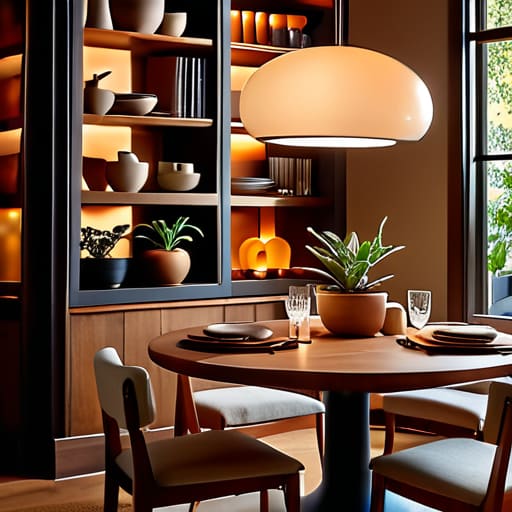
If there is one thing my transition from spreadsheets to sauté pans has taught me, it’s that atmosphere is everything. Whether I’m hosting a dinner party featuring my latest fusion recipe or just winding down after a long day of managing food costs, lighting dictates the entire vibe. When you’re diving into smart lighting installation tips, don’t just think about brightness; think about layers. I love using dimmable smart bulbs to create a warm, amber glow in the dining area that mimics the cozy feel of a San Francisco bistro. It’s a total game-changer for setting the mood without having to touch a single physical switch.
However, a word of caution from my old analytical side: before you go buying every colorful bulb you see, double-check your smart home ecosystem compatibility. There is nothing more frustrating than spending your hard-earned budget on high-end lights only to realize they won’t talk to your existing hub. I always recommend mapping out your zones first—kitchen for task lighting, living room for ambiance—to ensure your setup is as seamless as a perfectly executed reduction sauce.
Small Wins, Big ROI: My Top 5 Strategies for a Stress-Free Smart Home
- Start with your “pain points” rather than the gadgets. Just like when I was auditing spreadsheets, it’s all about efficiency; don’t buy a smart toaster if what you actually need is a smart thermostat to slash your utility bills and give you more breathing room in your monthly budget.
- Prioritize a “security-first” mindset for your digital pantry. Think of your Wi-Fi password like the secret recipe to your signature dish—keep it locked down tight. Always change default passwords and enable two-factor authentication to ensure your home stays your private sanctuary.
- Think in ecosystems, not just individual pieces. It’s tempting to grab every cool sale you see, but if your smart lights don’t talk to your smart hub, you’re just creating digital clutter. Stick to one or two main platforms so your home runs like a well-oiled kitchen brigade.
- Map out your connectivity before you buy. There is nothing more frustrating than a smart plug that drops connection every time you’re trying to meal prep. Check your router’s range and consider a mesh network if you have thick walls or a sprawling layout to ensure seamless coverage.
- Budget for the “hidden” costs of automation. Much like scaling a food startup, the initial equipment is just the beginning. Factor in subscription fees for security cameras or the occasional replacement of batteries so your smart home doesn’t become a surprise drain on your savings.
Making Your Smart Home Work for Your Life (and Your Budget)
Don’t let “gadget creep” drain your savings; treat your smart home setup like a well-planned investment by prioritizing devices that actually save you time and energy.
Focus on interoperability above all else—choosing a central hub that plays well with others is the secret ingredient to a seamless, frustration-free ecosystem.
Use automation to protect your most precious resources, whether that’s setting the perfect ambiance for a dinner party or automating your climate control to keep your overhead low while you focus on your passions.
Investing in Your Environment
“Think of a smart home not just as a collection of gadgets, but as a strategic investment in your most precious resource: time. By automating the mundane, you’re essentially reclaiming the mental bandwidth needed to focus on what actually feeds your soul—whether that’s scaling your business or perfecting a new fusion recipe.”
Rachel Anderson
Building Your Smart Sanctuary

As we wrap up this journey of transforming your living space, remember that setting up a smart home is less about having the flashiest gadgets and more about intentional integration. We’ve covered everything from selecting a central hub that acts as the brain of your operation to fine-tuning your smart lighting to create that perfect, cozy ambiance for a late-night recipe experimentation session. By choosing devices that communicate seamlessly and focusing on automation that actually serves your daily rhythms, you aren’t just buying tech—you are investing in a more efficient, streamlined version of your life.
Transitioning from my old life in finance to the culinary world taught me one vital lesson: the best investments are the ones that buy you back your most precious resource—time. A well-configured smart home does exactly that, handling the mundane tasks so you can focus on what truly matters, whether that’s mastering a complex sourdough or simply enjoying a quiet moment of peace. Don’t feel like you have to do everything at once; start small, stay consistent, and remember that pursuing a life of ease is a beautiful way to honor your passions. You’ve got this, and I can’t wait to see how your new sanctuary fuels your next big adventure!
Frequently Asked Questions
How do I balance the initial high cost of smart home technology with a realistic long-term budget?
Think of your smart home like a high-end kitchen renovation: you wouldn’t buy every gadget at once! I always tell my friends to apply a “phased investment” strategy. Start with the high-impact essentials—like a smart thermostat or security—that offer immediate ROI through energy savings. This keeps your initial outlay manageable while letting the tech pay for itself over time. It’s all about building a foundation that scales as your budget allows.
Is it possible to integrate smart devices into my current home setup without a massive, overwhelming renovation?
Oh, absolutely! Honestly, the idea of a total home overhaul scares me just as much as a sudden market crash. You don’t need to tear down walls to reap the benefits. Think of it like adding spices to a signature dish—you start with small, impactful additions. Start with smart plugs or a few bulbs; they integrate seamlessly into your existing setup, giving you that high-tech lifestyle without the massive renovation price tag.
How can I ensure my smart home devices are actually saving me time and energy rather than just adding more digital clutter to my life?
The key is to treat your smart home like a well-managed investment portfolio: focus on utility over hype. Before buying, ask: “Does this solve a recurring friction point in my day?” If a gadget doesn’t automate a tedious task or slash your utility bills, it’s just expensive digital clutter. Aim for interoperability so your devices actually talk to each other. When your tech works in harmony, it buys you back the most precious resource of all—time to cook and create.