I remember sitting on my kitchen floor last month, surrounded by half-empty spice jars and a mountain of vintage cookbooks, feeling completely overwhelmed by the sheer chaos of my own culinary sanctuary. There I was, a former financial analyst who used to find comfort in spreadsheets, suddenly unable to find the bottom of my pantry or the clarity I needed to actually cook. I realized that staring at a generic, thirty-page deep cleaning checklist found on some lifestyle blog wasn’t going to solve my problem; in fact, those endless, intimidating lists are usually just a recipe for burnout and wasted time.
I’m not here to sell you on a lifestyle of perfectionism or tell you that you need to spend your entire weekend scrubbing baseboards with a toothbrush. Instead, I want to share the streamlined, high-impact approach I use to reclaim my space without draining my bank account or my sanity. I’ve distilled my method into a practical deep cleaning checklist that focuses on intentionality and efficiency, helping you clear the physical clutter so you can get back to what truly matters—like experimenting with new recipes and enjoying the beautiful life you’re building.
Table of Contents
- Mastering Your Seasonal Cleaning Schedule With Ease
- The Essential Deep Cleaning Supplies List for Success
- Five Pro-Tips to Keep Your Cleaning Momentum (and Your Sanity) Intact
- Making the Most of Your Fresh Start
- Finding Clarity in the Chaos
- Finding Your Flow Beyond the Checklist
- Frequently Asked Questions
Mastering Your Seasonal Cleaning Schedule With Ease

I’ve learned through my years in finance that trying to tackle everything at once is a recipe for burnout—and the same applies to your home. Instead of letting the chaos overwhelm you, I swear by a seasonal cleaning schedule to break the work into manageable bites. Think of it like prepping a complex recipe; you wouldn’t throw everything in the pan at once, right? By grouping tasks by season, you can focus on heavy-duty projects like washing windows in the spring or organizing your pantry before the holiday rush, making the whole process feel much more intentional and less like a chore.
To make this even smoother, I highly recommend following a room by room cleaning guide rather than just wandering aimlessly through your house with a spray bottle. When I first started my culinary business, I realized that a disorganized kitchen was killing my efficiency, so I began treating my home maintenance like a professional workflow. Once you have a system, you can build a dedicated deep cleaning supplies list tailored to your specific needs. This way, you aren’t wasting precious time hunting for the right degreaser when you should be focusing on the task at hand.
The Essential Deep Cleaning Supplies List for Success
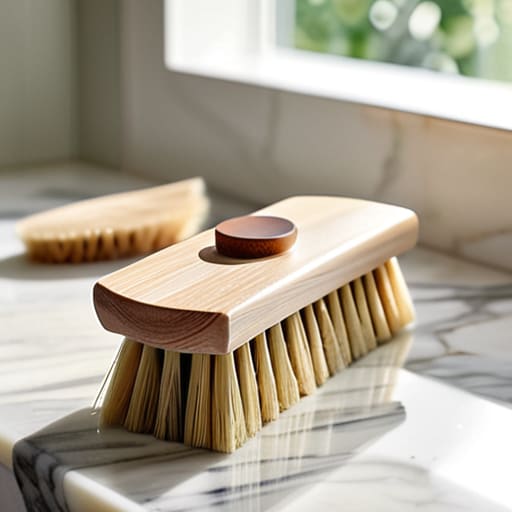
Before you dive into your seasonal cleaning schedule, let’s talk about the tools of the trade. Back when I was working in finance, I loved a good spreadsheet, but I quickly learned that a plan is only as good as the resources behind it. You don’t need a warehouse full of specialized chemicals, but having a curated deep cleaning supplies list makes the process feel less like a chore and more like a professional reset. I always suggest starting with the basics: a high-quality microfiber cloth set, an all-purpose cleaner that’s safe for various surfaces, and a sturdy scrub brush for those stubborn grout lines in the kitchen.
As someone who spends a lot of time experimenting with spices and oils, I’ve realized that the right kit can save you so much frustration. For my kitchen-focused spring cleaning tasks, I swear by a heavy-duty degreaser and a natural vinegar solution to keep everything sparkling without harsh fumes. Investing in a few quality tools—like a reliable vacuum with HEPA filtration or a good steam mop—is actually a smart way to view your home maintenance checklist. It’s a small upfront cost that pays dividends in saving you time and energy in the long run.
Five Pro-Tips to Keep Your Cleaning Momentum (and Your Sanity) Intact
- Work from the top down, always. Just like when I’m prepping a complex fusion dish, you don’t want to garnish before you’ve chopped the onions. If you dust your ceiling fans or high shelves last, all that debris is just going to settle on your freshly mopped floors.
- Don’t try to tackle the whole house in one marathon session. Coming from a finance background, I’m a huge believer in incremental progress. Breaking your checklist into “micro-tasks”—maybe just the kitchen one Saturday and the bathroom the next—prevents burnout and keeps your weekend from feeling like a second job.
- Create a “cleaning station” to avoid the mid-task scavenger hunt. There is nothing more frustrating than being halfway through scrubbing the baseboards only to realize you’ve run out of microfiber cloths. Keep your essential supplies in a portable caddy so you can move through your list with efficiency.
- Use the “Timer Method” to stay focused. If you’re feeling overwhelmed, set a timer for 25 minutes of intense cleaning followed by a 5-minute break to grab a coffee or flip through one of my vintage cookbooks. It turns a daunting chore into a manageable sprint.
- Focus on the “High-Touch” zones first. If you’re short on time, prioritize the things that actually collect the most grime—doorknobs, light switches, and cabinet handles. It’s a quick way to make the entire space feel significantly fresher without needing to scrub every single inch immediately.
Making the Most of Your Fresh Start
View deep cleaning not as a daunting chore, but as a way to reset your environment so you can focus on the things that actually fuel your soul—like experimenting with a new fusion recipe.
Treat your cleaning schedule with the same strategic planning you’d use for a budget; breaking it into manageable, seasonal bites prevents burnout and keeps your home (and your mind) feeling organized.
Invest in quality tools and supplies upfront; just like choosing the right kitchen knife, having the right gear makes the entire process more efficient and much less of a headache.
Finding Clarity in the Chaos
“I’ve learned that just like a messy balance sheet or a kitchen full of prep bowls, a cluttered home can cloud your focus; using a deep cleaning checklist isn’t just about scrubbing floors, it’s about clearing the mental space you need to actually enjoy the life you’re working so hard to build.”
Rachel Anderson
Finding Your Flow Beyond the Checklist
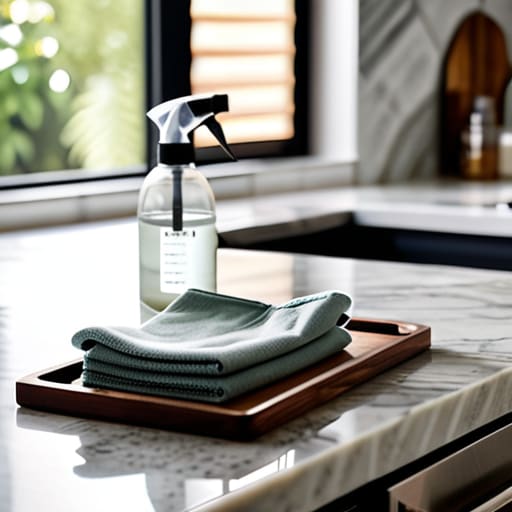
At the end of the day, tackling a deep cleaning checklist isn’t just about scrubbing baseboards or organizing the pantry; it’s about creating a functional foundation for your life. By breaking things down into manageable seasonal schedules and ensuring you have the right tools—from the high-quality microfiber cloths to the specific degreasers your kitchen needs—you turn a daunting mountain of chores into a series of achievable wins. Think of it like managing a budget or scaling a new business venture: when you have a clear roadmap and the right resources, the overwhelming feeling starts to fade, leaving you with a sense of total control over your environment.
I know that coming from a high-pressure world like finance, the idea of spending a Saturday scrubbing a kitchen can feel like a poor investment of time. But I’ve learned through my own transition into the culinary world that our physical space deeply impacts our mental clarity and our ability to create. A clean, organized home is the ultimate canvas for a life well-lived. So, don’t view this as just another task on your to-do list; view it as an act of self-care that clears the way for what truly matters—whether that’s a new business idea or simply sitting down to enjoy a perfectly cooked meal in a space that feels like a sanctuary. You’ve got this!
Frequently Asked Questions
How can I manage a deep cleaning schedule without it completely taking over my weekends and eating into my meal prep time?
I totally get it—the last thing I want is to spend my entire Sunday scrubbing baseboards instead of prepping a batch of homemade pesto or enjoying a slow brunch. My secret? Micro-tasking. Instead of one massive cleaning marathon, I weave small, specific tasks into my weekly routine. Think of it like diversifying a portfolio: small, consistent actions prevent a massive “debt” of chores later, leaving your weekends free for what actually fuels your soul.
Are there any specific cleaning hacks for my vintage cookware that won't damage the delicate finishes?
Oh, I feel this one in my soul! As someone who spends way too much time hunting for vintage cookbooks and beautiful old pots, I know how scary it is to clean something precious. For delicate finishes, please skip the harsh abrasives! I swear by a gentle paste of baking soda and water for light stains. It’s effective but kind to the patina. Always hand-wash, dry immediately, and treat them like the investments they are!
How do I decide which areas of the house actually need a deep clean versus just a quick surface tidy-up?
Think of it like auditing a budget: you have to distinguish between daily expenses and major capital investments. A surface tidy is your daily “operating cost”—clearing the mail or wiping a counter. But a deep clean? That’s the long-term investment. If you notice dust buildup on baseboards, a lingering scent in the pantry, or grime in the grout, that’s your signal. If it requires more than a quick wipe to feel “right,” it’s time to dive deep.