I was elbow-deep in a mountain of dusty, vintage cookbooks last weekend—trying to find a specific 1950s French pastry guide—when I realized my entire kitchen pantry had become a graveyard for expired spices and “maybe I’ll use this someday” gadgets. We’ve all been sold this lie that spring cleaning tips have to involve expensive, color-coded acrylic bins and a weekend-long marathon of aesthetic perfectionism that leaves you exhausted and broke. Honestly, as someone who spent years analyzing spreadsheets before diving into the chaotic world of food entrepreneurship, I find that kind of performative organization is a complete waste of resources.
I’m not here to tell you how to curate a Pinterest-perfect life; I’m here to help you audit your space so it actually serves your goals. In this post, I’m sharing my no-nonsense, experience-based approach to decluttering that focuses on reclaiming your time and your kitchen. We are going to strip away the fluff and focus on practical ways to clear the mental and physical clutter, making room for the things that actually matter—like big career moves and, of course, much better meals.
Table of Contents
- Decluttering Your Living Space to Fuel Your Passions
- Natural Cleaning Solutions for a Healthy Flourishing Home
- Five Ways to Clean Up Your Act (and Your Kitchen) This Season
- Final Thoughts: Spring Cleaning for a Richer Life
- The ROI of a Fresh Start
- Making Room for What Matters
- Frequently Asked Questions
Decluttering Your Living Space to Fuel Your Passions

I’ve always found that my mental clarity is directly tied to the state of my surroundings. Back when I was crunching numbers in San Francisco, a messy desk felt like a personal failure, but now, in my kitchen, a cluttered countertop feels like a barrier to creativity. When we talk about decluttering your living space, we aren’t just moving piles of mail from the table to a drawer; we are actively removing the physical distractions that drain our cognitive energy. If you’re feeling stuck in your career or uninspired in your side hustle, take a look at your environment. Sometimes, the most productive thing you can do for your professional growth is to clear the physical path for your ideas to flow.
I like to approach this by following a loose room by room cleaning schedule to avoid feeling overwhelmed. Start with the spaces that fuel your joy—for me, that’s definitely the pantry and the spice rack. Clearing out those expired ingredients and organizing my vintage cookbooks isn’t just about aesthetics; it’s about creating a streamlined workflow. When your tools are in place, you spend less time searching and more time doing what you actually love.
Natural Cleaning Solutions for a Healthy Flourishing Home
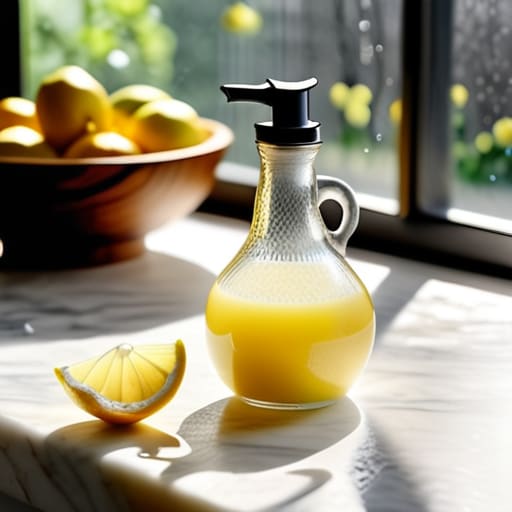
Once you’ve tackled the heavy lifting of decluttering your living space, it’s time to focus on the actual cleaning. But here’s my professional take: just as I wouldn’t invest in a volatile stock without researching the fundamentals, I don’t dive into deep cleaning without knowing what I’m putting into my home. I’ve moved away from those harsh, chemical-heavy sprays in favor of natural cleaning solutions that are much kinder to my lungs and my wallet. There is something incredibly satisfying about using simple, pantry-staple ingredients like white vinegar, baking soda, and lemon juice to make your surfaces sparkle.
Transitioning to these eco-friendly alternatives is actually a great way to practice mindful seasonal home maintenance. It’s not just about getting rid of dust; it’s about creating a sanctuary that feels as fresh as a new recipe. Plus, if you’re like me and love spending hours experimenting with fusion flavors in the kitchen, you want a space that’s safe for food prep. Using non-toxic cleaners ensures that your workspace is pristine without leaving behind any lingering, artificial scents that might interfere with your culinary creativity.
Five Ways to Clean Up Your Act (and Your Kitchen) This Season
- Audit Your “Financial Kitchen”: Just like checking for expired spices, take a moment to review your recurring subscriptions and mindless spending. Clearing out those small, unnecessary outflows can free up the “budgetary ingredients” you need to fund your next big passion project.
- The One-In, One-Out Rule for Culinary Gear: I know, I know—my vintage cookbook collection is growing—but if you’re bringing a new high-end blender into your life, try letting go of that gadget that’s been gathering dust in the back of the pantry. It keeps your workspace functional and your mind clear.
- Digital Spring Cleaning for Career Clarity: A cluttered inbox is a cluttered brain. Spend an hour unsubscribing from industry newsletters you no longer read and organizing your professional files. It’s amazing how much mental bandwidth you regain when your digital workspace feels as intentional as a well-organized mise en place.
- Purge the “Someday” Projects: We all have that pile of half-finished ideas or old professional certifications we meant to finish. Be honest with yourself: if it’s not serving your current career goals or bringing you joy, let it go to make room for the projects that actually move the needle.
- Meal Prep for Mental Margin: Use this cleaning season to streamline your food systems. Organizing your pantry and prepping a few versatile staples isn’t just about tidiness; it’s about reducing the “decision fatigue” of daily life, giving you more energy to focus on your big-picture career moves.
Final Thoughts: Spring Cleaning for a Richer Life
Remember that decluttering isn’t just about tidying up; it’s about intentionally making space—both in your home and your schedule—for the career shifts and culinary adventures that truly light you up.
Prioritize your well-being by choosing natural, non-toxic cleaning methods, ensuring your home remains a healthy sanctuary where you can focus on your big ideas and your best recipes.
Treat your spring cleaning like a fresh investment in yourself; by organizing your environment and your finances, you’re building the stable foundation needed to take those brave leaps toward your passions.
The ROI of a Fresh Start
“Think of spring cleaning not as a chore, but as a strategic audit of your environment; when you clear out the physical clutter, you’re actually reclaiming the mental bandwidth needed to invest in your biggest dreams and your next great recipe.”
Rachel Anderson
Making Room for What Matters

As we wrap up this spring cleaning journey, remember that it’s about so much more than just scrubbing countertops or organizing your spice rack. We’ve talked about how clearing out the physical clutter in your living space can actually free up mental bandwidth for those big career pivots, and how choosing natural cleaning solutions keeps your sanctuary healthy and vibrant. By auditing your surroundings—whether that’s your pantry, your home office, or even your digital files—you are essentially performing a strategic reset on your environment. This isn’t just about tidying up; it’s about ensuring that your home serves as a launchpad for your ambitions rather than a weight holding you back.
At the end of the day, I hope you view this season of cleaning as a way to honor the life you are building. Transitioning from the rigid world of finance to the beautiful chaos of culinary entrepreneurship taught me that you can’t cook a masterpiece in a crowded, messy kitchen, and you certainly can’t plan your next big move in a space filled with distractions. Use this momentum to cultivate a space that inspires you. Whether you’re prepping a complex new recipe or drafting a business plan, make sure your environment reflects the person you are becoming. Go forth and make room for magic.
Frequently Asked Questions
How can I start decluttering my kitchen without feeling overwhelmed by all my expensive cooking gadgets and tools?
I totally get it—I’ve definitely been there, staring at a drawer full of expensive gadgets I bought during a “culinary whim” phase! Start by categorizing your tools into “daily drivers,” “occasional use,” and “sentimental/specialty.” If a gadget hasn’t seen the light of day in a year, it’s just taking up mental bandwidth. Instead of feeling guilty about the cost, view it as freeing up capital—both literal and spatial—to invest in the tools you’ll actually use.
Are there any specific ways to organize my workspace to help me stay focused on my side hustle or career goals?
Think of your workspace as the “mise en place” for your career. Just like I wouldn’t start a complex fusion dish with a cluttered cutting board, you can’t crush your side hustle in chaos. I swear by the “one-task-one-zone” rule: keep only what you need for your current project on your desk. Clear the visual noise, invest in a good lamp, and keep your goals physically visible—maybe a sticky note on your monitor—to stay anchored.
How do I decide which items are actually worth keeping for my future self versus what's just taking up mental space?
I always use the “ROI” approach—not for stocks, but for my sanity. Ask yourself: Does this item serve my current goals, or am I just clinging to a version of myself that doesn’t exist anymore? If it’s a beautiful vintage cookbook that inspires me, keep it. If it’s a gadget I haven’t touched in a year, let it go. If it doesn’t add value to your future or joy to your present, it’s just mental overhead.