If you had told me five years ago, while I was staring at spreadsheets in a high-rise in San Francisco, that I’d eventually be trading my financial models for a miter saw, I would have laughed in your face. Back then, my idea of “creating” was just balancing a budget, but I eventually realized that my soul was starving for something tangible. Many of us feel stuck in that same loop—craving a creative outlet but feeling completely paralyzed by the fear of making a mess or wasting money on expensive tools. We want to build something beautiful, but where do you even start without feeling like an absolute amateur? Finding the right beginner woodworking projects is actually the secret to bridging that gap between wanting a creative life and actually living one.
In this post, I’ve curated a list of five specific projects that are perfect for anyone looking to dip their toes into the craft without breaking the bank. We’re going to skip the overwhelming, complex builds and focus on achievable, high-impact pieces that will actually look stunning in your home. By the end of this list, you’ll have a roadmap to transform your garage or spare corner into a sanctuary of creation, proving that you don’t need a professional workshop to start building your passion.
Table of Contents
The Ultimate Kitchen Cutting Board
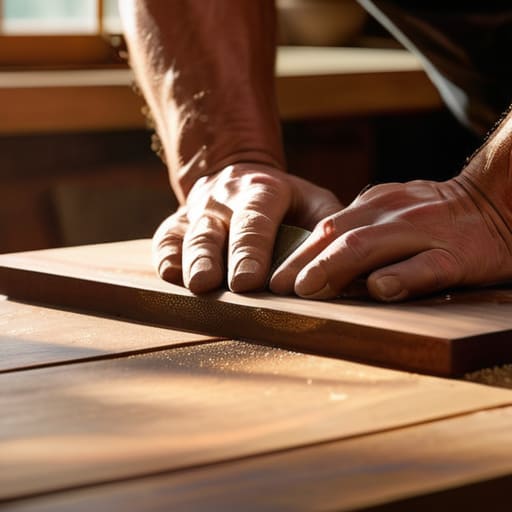
When I first transitioned from analyzing spreadsheets to managing a kitchen, I realized that even the simplest tools can make a massive difference in your daily workflow. A handmade wooden cutting board is the perfect entry point into woodworking because it doesn’t require complex joinery or expensive power tools. You really just need a solid piece of hardwood, some sandpaper, and a bit of patience to get those edges perfectly smooth.
Rustic Floating Shelves
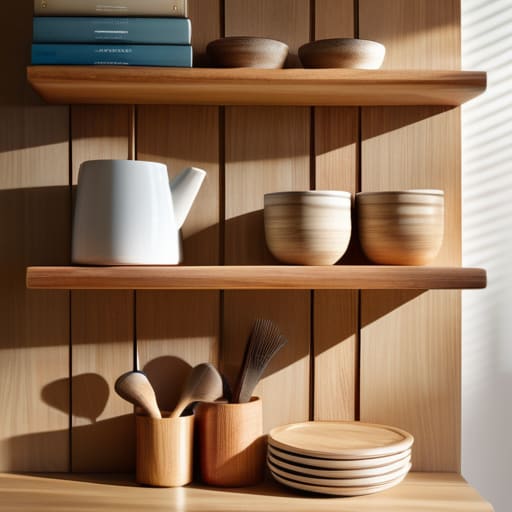
I have a massive collection of vintage cookbooks that take up way too much space on my counters, so I’ve become a huge advocate for vertical storage. Building simple floating shelves is a fantastic way to practice your measurements and learn how to use a drill without feeling overwhelmed. It’s all about finding that balance between aesthetic charm and functional design, much like balancing a budget.
A Minimalist Herb Planter
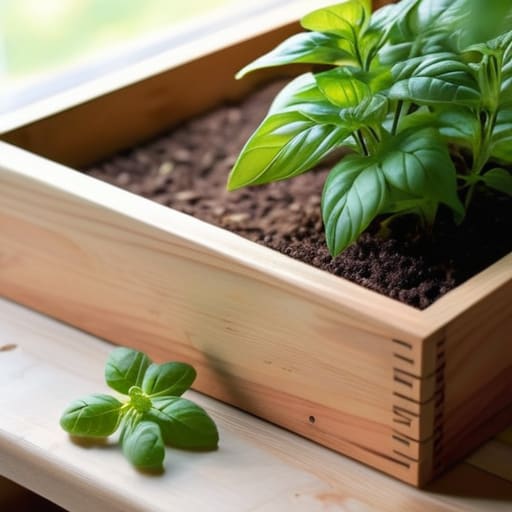
As someone who loves experimenting with fusion recipes, having fresh basil or thyme right at my fingertips is a total game-changer. Creating a small wooden planter box is a delightful way to merge your love for gardening with your new woodworking skills. It’s a small-scale project that teaches you the importance of precision and scale, ensuring everything fits together snugly.
The Perfect Coffee Station Tray
My morning ritual is sacred, and whether I’m sipping an espresso or a matcha latte, I love having a dedicated spot for my favorite mugs. A simple wooden tray is an excellent project for practicing basic assembly and learning how to apply a food-safe finish. It’s a small piece of functional art that can actually help organize your morning chaos into a moment of calm.
Handcrafted Coasters
If you’re feeling a little intimidated by the idea of a larger build, coasters are your best friend. They are essentially “micro-projects” that allow you to experiment with different wood types and finishes without a huge commitment of time or money. I love using them to practice different sanding grits or even trying out a light stain to see how the natural grain reacts.
Finding Your Rhythm Between Passion and Precision
Don’t let the fear of a “failed” project stop you from starting; just like a tricky recipe or a volatile market, the real learning happens in the middle of the mess.
Treat your new hobby as an investment in your mental well-being, ensuring you’re building a creative outlet that fuels your soul without draining your savings.
Start small and celebrate the wins, whether it’s a perfectly sanded coaster or a balanced budget, because sustainable passion is built one small, intentional step at a time.
Finding Your Grain
“Just like transitioning from a spreadsheet to a sourdough starter, starting a woodworking project isn’t about perfect measurements—it’s about the courage to pick up the tools and create something that actually belongs to you.”
Rachel Anderson
From Blueprints to Bliss
Looking back at these five projects, it’s easy to see how they all share a common thread: they take the intimidation out of the process. Whether you’re starting with a simple herb planter for your kitchen windowsill or building a sturdy bookshelf to house your growing collection of vintage cookbooks, the goal isn’t perfection—it’s momentum. By tackling these manageable builds, you’re not just making furniture; you’re mastering the foundational tools and techniques that will eventually allow you to tackle much more ambitious designs. Remember, every seasoned craftsman started with a few messy cuts and a lot of sawdust, so don’t let the fear of a crooked edge stop you from getting started.
Ultimately, my journey from analyzing spreadsheets at a firm to managing a kitchen taught me that the most rewarding investments aren’t always found in a stock portfolio. Sometimes, the best ROI comes from the sense of pride you feel when you run your hand over a piece of wood you shaped yourself. Woodworking is a beautiful metaphor for life: it requires patience, a bit of precision, and the willingness to embrace the imperfections. So, grab your safety goggles, clear off your workspace, and go build something that makes your soul feel as full as your plate. You’ve got this!
Frequently Asked Questions
I'm worried about the upfront cost—how much should I actually budget for my first set of basic tools before I dive in?
I totally get the sticker shock—I felt the same way when I swapped my spreadsheets for kitchen equipment! Honestly, don’t feel pressured to buy the “professional” kit right away. For a solid starter set, I’d budget around $150 to $200. Think of it like a startup cost: invest in a few quality essentials rather than a mountain of cheap tools that won’t last. Start small, build your toolkit as you grow, and keep that rainy-day fund intact!
Is it possible to get into woodworking in a small apartment, or do I absolutely need a garage or a dedicated workshop space?
Honestly, I get this question all the time—it’s a lot like my transition from a cubicle to a commercial kitchen! You don’t need a massive workshop to start. While a garage is a dream, you can absolutely carve out a corner in a small apartment. Just invest in some decent dust extraction, prioritize hand tools to keep the noise down, and maybe set up a dedicated folding workbench. It’s all about smart space management!
How do I know if I'm actually getting good at this, or if I'm just making expensive mistakes with my wood?
Honestly, I’ve been there. When I transitioned from spreadsheets to sourdough, I constantly worried I was just burning money. In woodworking, look for “intentionality.” Are your mistakes predictable patterns, or total chaos? If you’re starting to understand why a joint failed or how a specific grain reacts to a chisel, you’re growing. Don’t let the cost of a ruined piece of walnut discourage you; consider it your “tuition” in the school of craftsmanship.