Ever feel like your living space is just a collection of “meh” pieces that don’t quite tell your story? I’ve been there. Back when I was grinding away as a financial analyst in San Francisco, my apartment was filled with functional but totally soul-less furniture. I used to think that creating a beautiful, curated home required a massive budget, but I’ve learned that’s a total myth. In reality, some of the most meaningful pieces in my home are the ones I’ve rescued from thrift stores or curb alerts. Embracing upcycling furniture ideas isn’t just about saving a few bucks—though my inner economist definitely loves the ROI—it’s about infusing your home with personality and history.
In this post, I’m breaking down five of my favorite ways to breathe new life into tired, forgotten pieces. Whether you’re a total DIY novice or someone who’s already comfortable with a paintbrush, these tips will help you transform the ordinary into something extraordinary. We’re going to dive into specific, actionable projects that prove you can achieve a high-end look without the high-end price tag. Get ready to discover how a little creativity can turn your old furniture into soulful statement pieces that you’ll absolutely love.
Table of Contents
The Kitchen Table Transformation
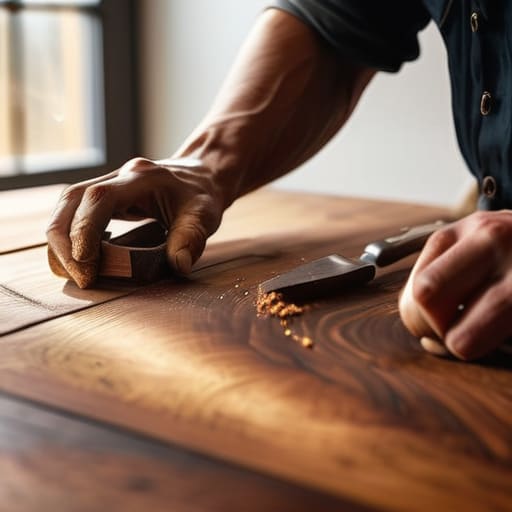
When I first left my analyst desk, I realized how much I craved a home environment that felt intentional rather than just functional. I stumbled upon this heavy, scratched-up oak dining table at a local estate sale, and while most people saw a relic, I saw a canvas. Instead of shelling out thousands for a designer piece, I spent a weekend sanding it down to reveal the gorgeous grain underneath and applying a deep, moody walnut stain.
Chic Hardware Swaps
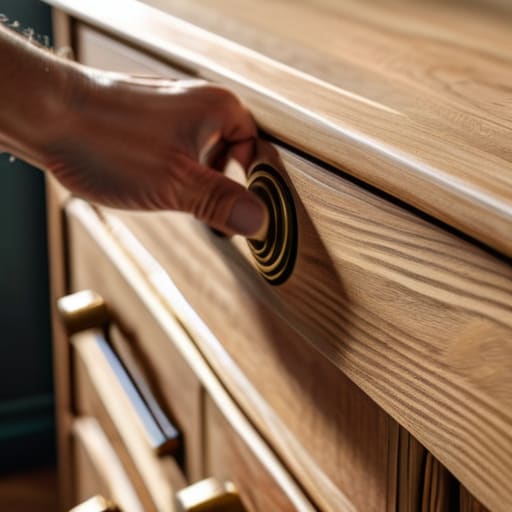
Sometimes, the most effective financial move isn’t a massive overhaul, but a series of strategic micro-adjustments. I learned this the hard way when I was trying to spruce up my small apartment on a budget. I took a set of basic, builder-grade dresser drawers and replaced those generic plastic knobs with vintage brass pulls I found at a flea market. It sounds small, but the difference was absolutely night and day.
The Statement Accent Chair
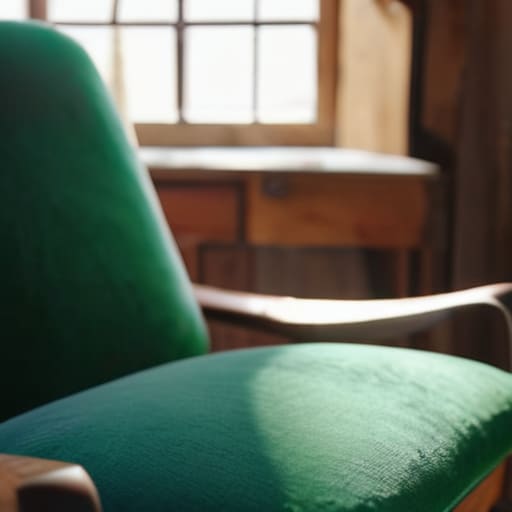
As someone who loves collecting vintage cookbooks, I’ve always been drawn to pieces that have a bit of soul and character. I once found a mid-century modern armchair that was essentially just a skeleton of wood and faded fabric. It looked like it had seen better days, but I knew that with a little bit of fabric magic, it could become my favorite reading nook.
Shelving with a Soulful Twist
In my finance days, everything was about organization and rigid structures, but my kitchen tells a different story. I took some old, mismatched wooden crates I found at a farmer’s market and turned them into a custom wall-mounted spice rack and cookbook display. It wasn’t about perfection; it was about creating a space that actually reflects my passions.
Lighting for Atmosphere
We often talk about money in terms of growth and stability, but I like to think about how we can invest in our daily atmosphere. I recently took an old, dusty floor lamp that was destined for the curb and gave it a complete makeover. I stripped the old, chipped paint and used a metallic gold spray paint to give it a modern, sophisticated sheen.
Finding the Sweet Spot Between Creativity and Cost
Don’t view upcycling as just a way to save a few bucks; see it as a way to invest your creative energy into pieces that actually have a story to tell.
Just like I learned when transitioning from finance to food, you don’t need a massive budget to start—you just need the courage to experiment and the patience to see a project through.
Whether it’s a thrifted chair or a vintage cabinet, the goal is to create a space that feels authentically yours without breaking your financial stability in the process.
Investing in Soul, Not Just Stuff
“Upcycling isn’t just about saving a few bucks or being eco-friendly; it’s about the incredible ROI of pouring your own creativity into something old and watching it transform into something that actually tells a story.”
Rachel Anderson
Turning Old Into Gold
As we wrap up our little tour of creativity, I hope you see that upcycling isn’t just about saving a few bucks—though my inner financial analyst certainly loves the ROI—it’s about seeing potential where others see junk. Whether you’re breathing new life into a thrifted dresser with a fresh coat of paint, swapping out outdated hardware for something more chic, or even getting a little adventurous with decoupage, you are essentially reclaiming value. Each of these five ideas serves as a stepping stone to help you curate a home that feels uniquely yours without the hefty price tag of high-end retail furniture.
Ultimately, whether you are navigating a career pivot like I did or just trying to refresh your living room, the secret is to embrace the process of transformation. Don’t be afraid to make a mess or fail on your first attempt; sometimes the most beautiful results come from the most unexpected mistakes. Life is far too short to surround yourself with things that don’t spark joy or tell a story. So, grab that sandpaper, pick out a vibrant color palette, and start building a life—and a home—that truly nourishes your soul. I can’t wait to see what you create!
Frequently Asked Questions
I'm a bit worried about the cost—is upcycling actually cheaper than buying new, or do the supplies end up costing more in the long run?
I totally get that hesitation—I used to run every budget through a spreadsheet back in my analyst days! Honestly, upcycling is a bit of a balancing act. If you’re buying high-end designer paints and fancy hardware, it can add up fast. But if you hunt for thrift store gems and use what you have, it’s incredibly cost-effective. Think of it as an investment in your creativity; the soul you add is priceless!
Since I'm not exactly a DIY expert, what are some beginner-friendly tools I should invest in to make sure my first project doesn't turn into a total disaster?
Don’t worry, I definitely wasn’t a natural at this either—my first “project” was more of a catastrophe! To keep things stress-free, start with a solid cordless drill, a decent set of sandpaper (varying grits are key!), and a high-quality screwdriver set. I also swear by a reliable measuring tape and a small level. Think of it like setting up a kitchen: you don’t need every gadget, just the essentials to build confidence!
How do you decide if a piece of vintage furniture is a "diamond in the rough" worth saving versus something that's just too far gone to be worth the effort?
Honestly, I use the same logic I used back in my finance days: assess the structural integrity before looking at the aesthetics. I check for “bone deep” issues—like severe wood rot, structural instability, or heavy termite damage. If the skeleton is solid, the rest is just surface level! I look for high-quality joinery like dovetail joints; if the craftsmanship is there, it’s worth the investment. If it’s just cheap particle board, let it go.