I still remember sitting on the floor of my tiny, drafty studio in San Francisco, surrounded by half-unpacked boxes and a growing sense of panic. I had my spreadsheets ready—thanks to my Berkeley econ days—but no amount of financial forecasting could have prepared me for the realization that I didn’t own a single decent chef’s knife or even a basic set of measuring spoons. Most online guides will hand you a massive, overwhelming first apartment checklist filled with expensive aesthetic trends and “must-have” gadgets that will just collect dust and drain your savings. Honestly, seeing those $300 espresso machines recommended to someone just starting their career felt like a personal insult to my bank account.
I’m not here to tell you to buy a matching set of designer stoneware or a high-end air fryer you’ll use once. Instead, I want to give you the realistic, budget-conscious blueprint I wish I’d had back then. We’re going to build a first apartment checklist that prioritizes the essentials you actually need to cook real meals and maintain your financial sanity. My goal is to help you set up a space that feels like home without sacrificing your future for the sake of instant gratification.
Table of Contents
Smart Moves With a Pro Apartment Moving Supplies List

When I was transitioning out of my analyst role and moving into my first studio, I quickly realized that the “hidden costs” of moving aren’t just the security deposit and rent—it’s the sheer volume of small things you forget you need until you’re standing in an empty kitchen at 9 PM. To avoid that panic, I highly recommend creating a dedicated apartment moving supplies list before you even pack your first box. Focus on the high-impact items first: heavy-duty tape, bubble wrap for those fragile vintage cookbooks I love so much, and a reliable utility knife.
Once the heavy lifting is done, shift your focus to the essentials that turn a space into a home. Instead of trying to furnish everything at once, start with basic furniture for small apartments—think multifunctional pieces like a storage ottoman or a slim desk—that won’t eat up your precious square footage. I always tell my friends to prioritize their “survival kit” first: a few quality pots, pans, and some essential kitchenware for renters so you can actually cook a real meal instead of relying on expensive takeout during that first, stressful week.
Basic Furniture for Small Apartments and Big Dreams
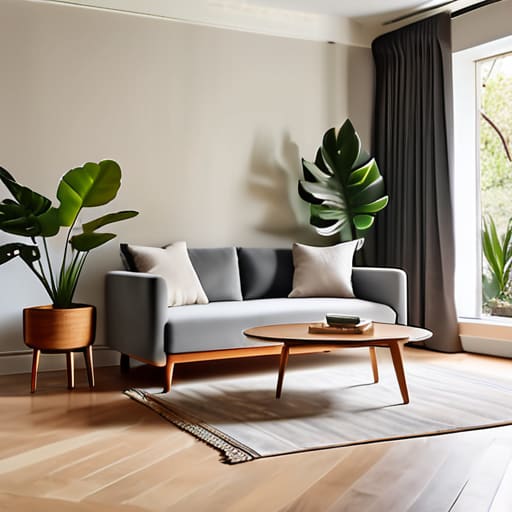
When you’re staring at a floor plan that feels more like a walk-in closet than a living space, the temptation is to buy everything that looks cute on Pinterest. But coming from a finance background, I’ve learned that impulse buys are the enemy of a healthy savings account. When looking for basic furniture for small apartments, my golden rule is to prioritize multi-functional pieces. Think of a sleek mid-century modern sofa that doubles as a guest bed, or an ottoman with hidden storage. These aren’t just pieces of furniture; they are strategic investments that keep your space feeling airy rather than cluttered.
Instead of trying to fill every corner immediately, focus on the “Big Three”: a comfortable place to sleep, a spot to eat, and a surface to work. I always suggest starting with a sturdy dining table—even if it’s small—because it serves as your desk, your meal prep station, and your social hub. Once you have those foundations, you can slowly layer in some budget friendly apartment decor to make the place feel like home without the “sticker shock” of a massive upfront cost.
The "Don't Forget the Small Stuff" Survival Kit
- Invest in a high-quality chef’s knife and a sturdy cutting board before anything else; you can live without a fancy toaster, but you’ll struggle to make a decent meal without the right tools.
- Build a “First Night” box containing essentials like toilet paper, a basic tool kit, phone chargers, and some easy-to-eat snacks so you aren’t digging through endless boxes when you’re exhausted.
- Prioritize lighting and ambiance with a few smart lamps or even string lights, because harsh overhead apartment lighting is the quickest way to kill that “home sweet home” vibe.
- Create a dedicated “cleaning station” with multipurpose spray, microfiber cloths, and a vacuum right away, because nothing ruins the excitement of a new space like a sudden, messy spill.
- Set up your digital life early by checking your Wi-Fi signal strength in every room and setting up a budget tracking app, ensuring your entertainment and your finances are both running smoothly from day one.
Quick Wins for Your New Space
Prioritize your “kitchen essentials” first—having a solid set of basics means you can cook nourishing, budget-friendly meals from day one instead of relying on expensive takeout.
Think like an analyst when buying furniture; invest in multi-functional pieces that grow with your career and your space so you aren’t constantly replacing cheap items.
Don’t forget the “hidden” costs of moving, like cleaning supplies and basic tools, so you can keep your budget on track while building a home you actually love.
The Secret to a Smooth Transition
“Think of your first apartment checklist not as a chore, but as your very first investment in your new lifestyle—get the essentials right early on, so you can stop worrying about logistics and start focusing on building a home that fuels both your career ambitions and your kitchen adventures.”
Rachel Anderson
Making Your Space Your Own
As you wrap up your move, remember that this checklist is just the foundation. We’ve covered everything from the heavy hitters like essential furniture to those small but mighty moving supplies that keep the chaos at bay. By prioritizing your budget and focusing on the basics first, you aren’t just filling a room; you are building a stable launchpad for your new life. Whether you’re meticulously tracking every dollar like I used to do in my finance days or just trying to make sure you have enough pots and pans to whip up a celebratory pasta dish, the goal is to stay organized without losing your mind. Taking it one step at a time ensures you won’t face that dreaded “empty fridge and empty wallet” feeling in your first month.
At the end of the day, your first apartment is so much more than a collection of lease agreements and cardboard boxes. It is the first true canvas where you get to paint your own version of adulthood. There will be moments when the budget feels tight or the kitchen feels too small, but please don’t forget that this is just the beginning of your adventure. Use this space to grow, to experiment with new recipes, and to dream big about where your career and your passions will take you next. You’ve got the plan, you’ve got the drive, and now, you finally have the keys. Happy decorating!
Frequently Asked Questions
How do I prioritize which kitchen gadgets to buy first without blowing my entire security deposit budget?
Listen, I’ve been there—staring at a shiny espresso machine while my savings account cries for help. My rule of thumb? Prioritize “multi-tasking essentials.” Instead of a specialized gadget, grab a high-quality chef’s knife and a heavy cast-iron skillet; they can handle almost any recipe. Focus on tools that bridge the gap between a quick weekday meal and a gourmet weekend project. Build your kitchen in layers, not all at once!
Are there any clever ways to find high-quality, second-hand furniture that doesn't look "cheap" or worn out?
I’ve learned the hard way that “cheap” and “second-hand” don’t have to be synonyms. My secret? Focus on solid wood and vintage silhouettes. I always scout Facebook Marketplace or local estate sales for mid-century modern pieces; they’re built to last and look incredibly intentional. If you find a gem with a bit of wear, a quick sanding and a fresh coat of eco-friendly stain can make it look like a high-end boutique find without the designer price tag.
How can I balance setting up a functional cooking space with the reality of a much smaller kitchen than I'm used to?
I totally get it—transitioning from a spacious kitchen to a tiny one can feel like a culinary heartbreak. My secret? Think vertically. When counter space is at a premium, invest in magnetic knife strips and tiered spice racks to free up your workspace. I also swear by a high-quality, multi-purpose chef’s knife; you don’t need a 20-piece set when space is tight. Focus on essentials that let you cook big flavors in small footprints!