I still remember the frantic, metallic scent of sawdust and old grease filling my tiny San Francisco apartment the first time I tried to fix a wobbly bookshelf. I had spent way too much money on a massive, professional-grade power drill set—the kind that looks intimidating on a showroom floor—only to realize I didn’t even know how to change the bit. It was a classic case of over-investing in the wrong places, a mistake I see people make constantly when they start looking for essential tools for diy. You don’t need a garage full of expensive machinery to build a life you love; you just need the right foundation.
In this guide, I’m stripping away the marketing hype and the “must-have” lists that are designed to drain your bank account. Drawing on my background in finance and my hands-on experience in the kitchen and the workshop, I’m going to show you how to curate a toolkit that is both cost-effective and high-impact. We are going to focus on the actual essentials that will empower your creativity without compromising your financial stability. Let’s get to work!
Table of Contents
Building Your Home Improvement Starter Kit
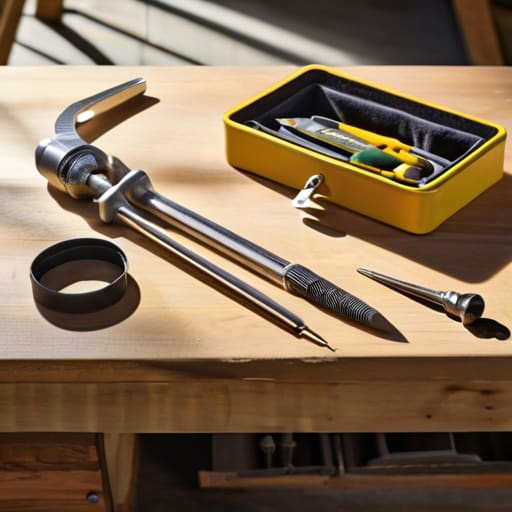
When I first decided to swap my spreadsheets for sourdough and sawdust, I quickly realized that enthusiasm alone won’t hang a floating shelf. You don’t need to drop a month’s rent at the hardware store on day one, but you do need a solid home improvement starter kit to avoid that mid-project frustration. I always tell my friends: start with the basics that provide the most versatility. Think of it like building a balanced recipe—you need your aromatics and your proteins before you start worrying about the fancy garnishes.
A common crossroads for beginners is the debate of hand tools vs power tools. While a cordless drill is a total game-changer for efficiency, don’t overlook the precision of a good manual screwdriver or a sturdy hammer. I’ve learned the hard way that over-investing in high-end machinery before you even know your own skill level is a fast track to “financial regret.” Instead, focus on a high-quality household maintenance toolset that covers the essentials: a reliable tape measure, a level, and a multi-bit driver. These are the building blocks that will give you the confidence to tackle bigger projects without blowing your budget.
Navigating Hand Tools vs Power Tools
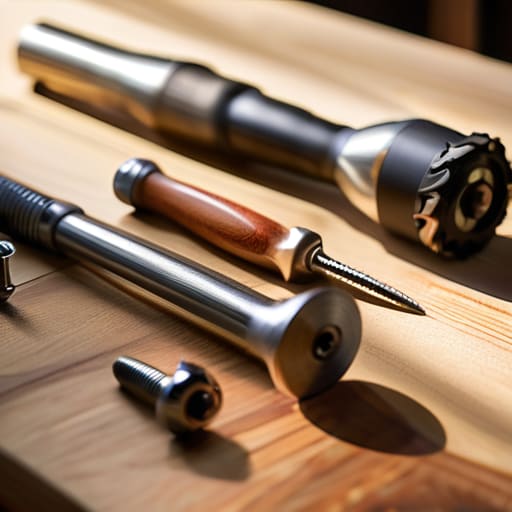
When I first started transitioning from analyzing spreadsheets to actually fixing things around my kitchen, I felt completely overwhelmed by the sheer volume of hardware available. It’s easy to fall into the trap of thinking you need every high-tech gadget on the shelf, but the real secret to a smart home improvement starter kit is knowing when to use your muscle and when to let a motor do the heavy lifting. Deciding between hand tools vs power tools isn’t just about speed; it’s about the precision and control you need for the specific job at hand.
For those delicate tasks—think assembling a vintage spice rack or adjusting a cabinet hinge—manual tools are your best friend. They offer a level of tactile feedback that prevents you from over-tightening a screw and stripping the wood. However, if you’re looking at a larger project, like building a custom butcher block island, investing in a few pieces of beginner handyman equipment like a cordless drill will save you hours of frustration. Think of it like cooking: sometimes you need a delicate whisk, and other times, you need the power of a heavy-duty stand mixer to get the job done.
Smart Spending: My Golden Rules for Equipping Your Creative Space
- Don’t fall into the “retail trap” by buying every shiny new gadget you see on social media; instead, start with the basics and only upgrade when a specific project demands it.
- Think like an analyst and prioritize quality over quantity—I’d much rather invest in one high-quality drill that lasts a decade than a cheap set of five that breaks during my first attempt at a bookshelf.
- Always check the resale market first, because you can often find professional-grade vintage tools at thrift stores or online marketplaces for a fraction of the retail price.
- Treat your tool kit like a kitchen pantry; you wouldn’t try to bake a soufflé without eggs, so make sure you have the “staple” tools—like a reliable measuring tape and a level—before you dive into complex builds.
- Budget for the “hidden costs” of DIY, such as safety gear and consumables like sandpaper or drill bits, so you don’t end up stalling your momentum halfway through a project because of a lack of supplies.
Quick Lessons for Your DIY Journey
Don’t feel pressured to buy the whole aisle at once; start with a solid foundation of quality basics and let your specific projects dictate your next investment.
Think like an analyst—investing in a few high-quality power tools now will save you much more money (and frustration) in the long run than constantly replacing cheap, flimsy versions.
Remember that the goal isn’t to become a master carpenter overnight, but to build a toolkit that gives you the confidence to turn your creative vision into a reality.
Investing in Your Vision
“Think of your DIY toolkit like a well-stocked pantry: you don’t need every exotic spice on day one, but having the right fundamental ingredients makes the leap from ‘dreaming’ to ‘doing’ feel a lot less intimidating and a lot more delicious.”
Rachel Anderson
From Blueprints to Reality
At the end of the day, building your DIY toolkit isn’t about owning every gadget in the hardware store aisle; it’s about being strategically prepared. We’ve walked through the importance of starting with a solid foundation of hand tools, deciding when it’s financially wise to invest in power tools, and ensuring you have the basics to tackle those small home improvements without calling in a professional every single time. Remember, just like when I was managing investment portfolios back in my analyst days, the goal is smart resource allocation. You don’t need a massive capital outlay to start; you just need the right pieces to turn your vision into a tangible reality.
If there is one thing I’ve learned from transitioning from a desk job to a bustling kitchen, it’s that the most important tool you own is your own willingness to try. Whether you are sanding down an old coffee table or perfecting a complex reduction sauce, there will be messy moments and mistakes along the way. But don’t let the fear of a crooked shelf or a wasted piece of lumber keep you from starting. Grab your hammer, trust your process, and build the life you actually want to live. You’ve got this!
Frequently Asked Questions
Since I'm working with a tighter budget, should I prioritize buying high-quality professional tools or settle for cheaper versions to get more variety?
I totally get the budget squeeze—I remember feeling that same tension when I was pivoting from my finance days to investing in my first professional kitchen. My advice? Prioritize quality for the tools you’ll use daily, like a solid hammer or a reliable drill. Think of them as your “core assets.” For niche tasks you’ll rarely touch, go for the budget-friendly versions. It’s all about strategic investing to ensure your passion doesn’t drain your savings!
As someone who doesn't do much heavy construction, how can I tell which power tools are actually worth the investment versus just being a space-taker?
I totally get it—the last thing you want is a garage full of expensive “just in case” gear. Think of it like kitchen gadgets: you don’t need a sous-vide machine if you aren’t cooking with it, but a high-quality chef’s knife is non-negotiable. Focus on “multi-use” tools. A solid cordless drill is the MVP of home maintenance. If you can’t envision using a tool for at least three different types of projects, skip it!
Are there specific safety tools I should invest in right away to make sure I'm not risking my well-being while I learn the ropes?
Safety first, always! Just like I learned when transitioning from spreadsheets to a high-heat kitchen, you can’t cook—or build—if you’re sidelined by an injury. Prioritize a solid pair of impact-resistant safety glasses and high-quality work gloves; they’re non-negotiable. I’d also grab a reliable N95 mask for dust and a basic first-aid kit. Think of these as your “financial insurance policy”—a small upfront investment to protect your most valuable asset: you.