I still remember the frantic morning in my first tiny San Francisco studio, standing in the middle of a kitchen so cramped I could practically touch both walls at once. I was trying to prep a simple miso-glazed salmon for a client meeting, but I couldn’t even find my chef’s knife because it was buried under a mountain of “essential” gadgets and half-empty spice jars. It was a sensory nightmare of clanging metal and wasted motion, and it hit me right then: bad small space organization isn’t just an aesthetic problem; it’s a productivity killer that drains your energy before your day even begins.
I’m not here to sell you on expensive, aesthetic acrylic bins that look great on Instagram but fail the moment you actually try to cook a real meal. Instead, I want to share the practical, budget-conscious strategies I learned while transitioning from a structured finance career to the beautiful chaos of food entrepreneurship. We are going to dive into no-nonsense systems that prioritize your workflow and your sanity, ensuring your home supports your passions instead of getting in their way.
Table of Contents
- Decluttering Tiny Apartments to Make Room for Passion
- Vertical Storage Solutions for a Balanced Beautiful Life
- Five Savvy Ways to Reclaim Your Square Footage (Without Breaking the Bank)
- Making Your Space Work for Your Dreams
- Space for the Soul
- Making Space for the Life You Want
- Frequently Asked Questions
Decluttering Tiny Apartments to Make Room for Passion
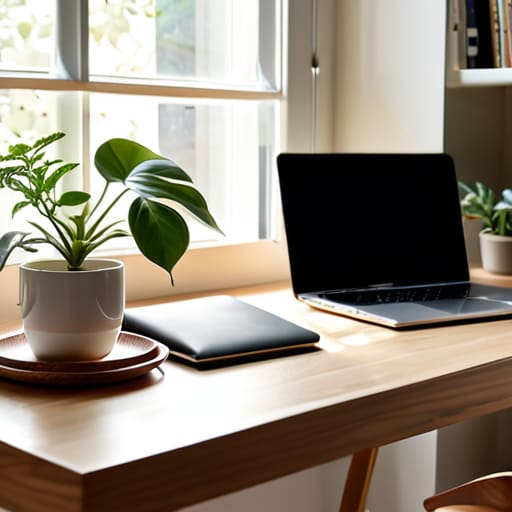
When I first made the leap from my desk at the firm to my own kitchen studio, I realized very quickly that my tiny studio apartment wasn’t just a home—it was my entire headquarters. The problem? I was drowning in “stuff” that didn’t serve my new mission. Decluttering tiny apartments isn’t just about tidying up for a guest; it’s about reclaiming the mental bandwidth you need to actually create. I spent a weekend ruthlessly auditing my belongings, asking myself if every item either fueled my career or brought me genuine joy. If it was just “someday” clutter, it had to go.
Once I cleared the physical noise, I had to get strategic about what remained. Since floor space is a luxury we simply don’t have, I turned my eyes upward. Implementing vertical storage solutions, like floating shelves for my vintage cookbooks, transformed my walls from empty expanses into functional art. It’s amazing how much breathing room you gain when you stop treating your floor like a warehouse and start treating your walls like prime real estate. By maximizing every inch, I finally created a space where I could actually cook without feeling like I was trapped in a closet.
Vertical Storage Solutions for a Balanced Beautiful Life
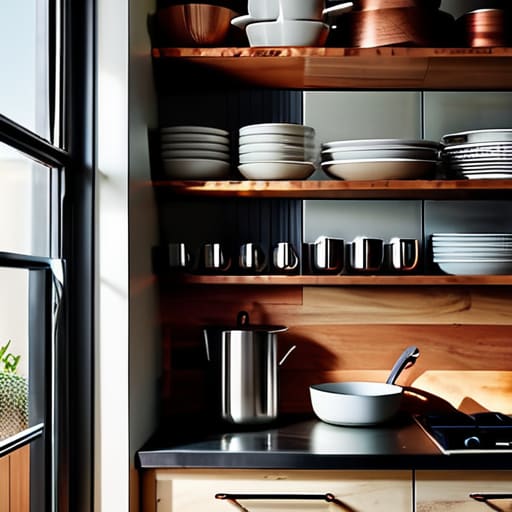
When I first moved into my tiny San Francisco studio, I felt like I was constantly suffocating under the weight of my own belongings. I had all these beautiful vintage cookbooks and kitchen gadgets, but nowhere to actually breathe, let alone cook. That’s when it clicked: if you can’t expand outward, you have to look up. Embracing vertical storage solutions completely changed my perspective on what a small footprint could actually offer. Instead of letting my essentials crowd my precious counter space, I started utilizing wall-mounted racks and floating shelves. It’s not just about tidiness; it’s about reclaiming your mental clarity so you can focus on your creative pursuits.
I’ve found that treating your walls like a canvas for organization is a total game-changer. Whether it’s installing a pegboard in your kitchen to hang your most-used pans or using tall, slender shelving units to house your library, going vertical creates a sense of order that feels intentional rather than cramped. I also swear by clever closet organization systems to keep my professional attire and culinary aprons separate and accessible. By maximizing every inch of height, you’re not just storing stuff—you’re designing a space that supports your lifestyle and your dreams.
Five Savvy Ways to Reclaim Your Square Footage (Without Breaking the Bank)
- Invest in multifunctional furniture that works as hard as you do—think an ottoman with hidden storage for your vintage cookbooks or a dining table that doubles as a workspace for your side hustle.
- Master the art of “micro-zoning” to keep your culinary passion from bleeding into your professional life; even a small rolling cart can serve as a dedicated coffee station or a spice hub to keep your counters clear.
- Use clear, uniform containers for your pantry staples, which not only looks aesthetically pleasing but also helps you track your inventory so you aren’t wasting money on duplicate ingredients.
- Don’t overlook the “dead space” under your bed or behind doors; these are prime real estate opportunities for seasonal items or extra linens that usually clutter up your precious closet space.
- Implement a “one-in, one-out” rule for your kitchen gadgets and decor to prevent that slow creep of clutter that can make even the most organized apartment feel suffocatingly small.
Making Your Space Work for Your Dreams
Remember that decluttering isn’t just about cleaning; it’s about reclaiming the physical and mental bandwidth you need to focus on your career goals and creative hobbies.
Invest in smart, vertical storage solutions that prioritize your most essential tools—whether that’s a professional-grade chef’s knife or a dedicated workspace for your side hustle.
View your small living space as a curated collection of what truly matters, ensuring every item you own serves your passion or fuels your well-being.
Space for the Soul
“When you’re living in a small footprint, organization isn’t just about tidying up; it’s about reclaiming the square footage you need to actually live—making sure there’s enough room on your counter for a new recipe and enough peace in your home to fuel your next big dream.”
Rachel Anderson
Making Space for the Life You Want
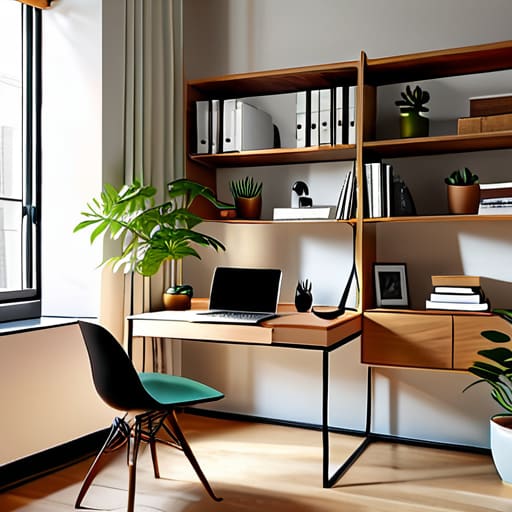
At the end of the day, organizing a small space isn’t just about finding a clever spot for your spice rack or mastering the art of vertical shelving; it’s about reclaiming your environment. By decluttering the things that no longer serve your vision and utilizing every inch of your square footage, you’re essentially performing a high-yield investment in your own mental clarity. We’ve talked about clearing out the physical noise and looking upward to maximize your footprint, but the real goal is to ensure your home supports your hustle—and your hunger—rather than getting in your way.
I know how intimidating it feels to look at a cramped apartment and wonder if you’ll ever have enough room to actually breathe, let alone cook a five-course meal or build a business. But remember, your current living situation is just a stepping stone, not your final destination. Use these organization hacks to create a sanctuary that fuels your ambition and keeps your focus on the big picture. Life is far too short to feel trapped by your four walls, so make room for what truly matters and let your space become the launchpad for your next great adventure.
Frequently Asked Questions
How do I decide which kitchen gadgets to keep and which ones to let go of when my counter space is so limited?
I used to be a bit of a kitchen gadget maximalist—partly because I love a good tool, but mostly because I hated the idea of “wasting” potential. But when your counters are tiny, every inch is prime real estate. I use a simple ROI rule: Return on Investment. If a gadget doesn’t serve at least three different functions or if I haven’t touched it in a month, it goes. Keep the versatile heroes; let go of the one-trick ponies.
Are there ways to organize a small space that don't feel too clinical or "Pinterest-perfect" so I can actually live in it?
I totally get this. When I first moved into my tiny SF studio, I tried that “minimalist” look, but it felt more like a sterile hospital room than a home. My secret? Focus on “functional aesthetics.” Use beautiful vintage bowls for your daily clutter or a wooden spice rack instead of plastic bins. It’s about choosing items that serve a purpose but actually feel like you. If it’s pretty and useful, it doesn’t feel like clutter!
How can I invest in high-quality organization tools without blowing my monthly budget?
Think of organization like a good recipe: you don’t need the most expensive ingredients to make something delicious, just the right ones. I always tell my friends to follow the “quality over quantity” rule. Instead of buying a dozen cheap plastic bins that will crack in six months, save up for one or two sturdy, versatile pieces. Prioritize your “high-traffic” zones—like your kitchen pantry or workspace—and look for second-hand gems at thrift stores to stretch your dollars!