I used to think that going green meant spending a fortune on designer bamboo organizers and high-tech gadgets that promised to save the world but mostly just drained my savings account. Honestly, as someone who spent years analyzing spreadsheets, the math behind some of these “must-have” sustainable products just didn’t add up. I found myself staring at a shelf of expensive, aesthetically pleasing glass jars, wondering why I was paying a premium just to feel virtuous. We need to stop treating eco friendly home tips like a luxury lifestyle brand and start looking at them as smart, intentional choices that actually respect our budgets.
In this post, I’m stripping away the hype and the high price tags to give you the real deal. I want to share the practical, low-cost shifts I’ve made in my own kitchen and home that actually make a difference—without sacrificing the comfort or the delicious, slow-cooked meals we all live for. My promise to you is straightforward, experience-based advice that balances being kind to the planet with being kind to your wallet. Let’s figure out how to live more sustainably while keeping our financial stability perfectly intact.
Table of Contents
- Sustainable Interior Design Ideas That Feed Your Soul
- Zero Waste Living at Home Without Sacrificing Style
- Small Shifts, Big Impact: My Favorite Ways to Go Green Without Losing the Magic
- Making Sustainability Work for Your Wallet and Your Lifestyle
- Investing in a Greener Future
- Small Steps, Big Flavors, and a Greener Home
- Frequently Asked Questions
Sustainable Interior Design Ideas That Feed Your Soul
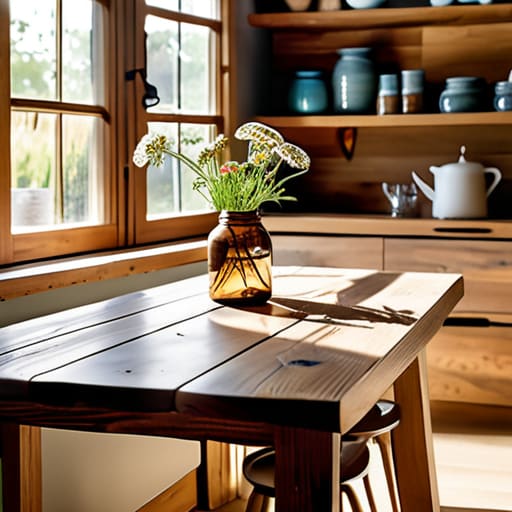
When I first started transitioning from my cubicle in the Financial District to my own kitchen studio, I realized that my surroundings deeply impacted my creativity. It’s not just about aesthetics; it’s about how our space makes us feel. I’ve found that incorporating sustainable interior design ideas—like choosing reclaimed wood for a dining table or sourcing vintage textiles—adds a layer of soul that mass-produced furniture just can’t touch. There is something so incredibly grounding about knowing your coffee table has a history, rather than just being another item from a giant warehouse.
Beyond the visual, I’ve learned to view my home as a living ecosystem. Making small shifts toward zero waste living at home doesn’t mean you have to live in a minimalist vacuum. It can be as simple as swapping out plastic organizers for glass jars or investing in high-quality, natural fiber rugs. These choices aren’t just “trends”; they are intentional ways to reduce your household carbon footprint while creating a sanctuary that feels intentional and warm. After all, a home that respects the planet is a home that truly nourishes you.
Zero Waste Living at Home Without Sacrificing Style
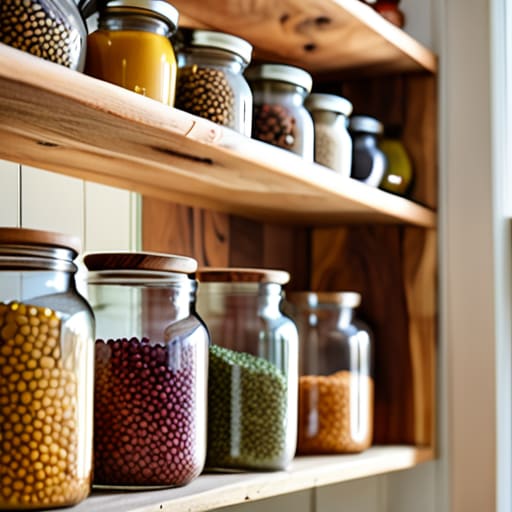
When I first started transitioning from my analyst desk to my own kitchen, I realized that my obsession with vintage cookbooks often came with a side of excessive packaging and plastic wrap. It felt counterintuitive to celebrate the history of food while contributing to so much modern waste. Embracing zero waste living at home doesn’t mean you have to live in a minimalist, beige box; it’s actually about being more intentional with what you bring through your front door. I’ve found that swapping out single-use plastics for beautiful glass jars or linen wraps actually elevates the aesthetic of my pantry, making it feel like a curated space rather than a cluttered storage unit.
Beyond the kitchen, I’ve leaned into using eco friendly cleaning products that smell like a dream—think lavender and citrus oils—rather than harsh chemicals that sting your nose. It’s a small shift, but it’s one of those ways we can reduce our household carbon footprint without losing that sense of luxury and comfort we work so hard to build. To me, true style is knowing that your beautiful home is also a gentle one.
Small Shifts, Big Impact: My Favorite Ways to Go Green Without Losing the Magic
- Rethink your kitchen inventory by embracing a “first-in, first-out” method—just like I learned in finance—to minimize food waste and save money on those beautiful organic ingredients we love.
- Swap out those single-use plastic wraps for beeswax wraps or silicone covers; they look much more chic on your countertop and are a total game-changer for keeping leftovers fresh.
- Invest in high-quality, reusable kitchen tools and linens, because buying things once and buying them well is the ultimate way to respect both your budget and the planet.
- Start a small indoor herb garden on your windowsill; it’s a tiny bit of greenery that reduces packaging waste from the grocery store and adds incredible flavor to your nightly dinners.
- Be mindful of your energy consumption by switching to LED bulbs and unplugging small appliances when not in use—it’s a simple way to lower your utility bills while lightening your environmental footprint.
Making Sustainability Work for Your Wallet and Your Lifestyle
Remember that eco-friendly living isn’t about perfection; it’s about making intentional, small shifts—like choosing quality over quantity—that protect both your budget and the planet.
Don’t be afraid to blend the old with the new; repurposing vintage finds or investing in sustainable pieces creates a home that feels deeply personal rather than a showroom.
View sustainability as an investment in your long-term well-being, ensuring that your home remains a sanctuary that nourishes your soul and respects the world around it.
Investing in a Greener Future
“Think of eco-friendly living not as a sacrifice of comfort, but as a high-yield investment in your home’s long-term value—and your own peace of mind.”
Rachel Anderson
Small Steps, Big Flavors, and a Greener Home
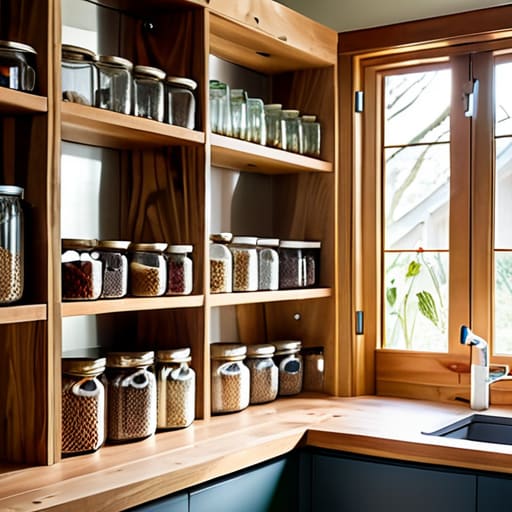
As we wrap up our journey through sustainable living, I hope you see that creating an eco-friendly sanctuary isn’t about achieving perfection overnight; it’s about making intentional choices that honor both your budget and the planet. From integrating soulful, sustainable interior design elements to mastering the art of zero-waste living without losing that chic aesthetic we all crave, every small adjustment adds up. Whether it’s choosing reclaimed wood for your kitchen island or swapping single-use plastics for beautiful, reusable glass jars in your pantry, these decisions are investments in your future self. Just like managing a diversified portfolio, a sustainable home is built through consistent, mindful habits that yield long-term rewards for your wallet and your well-being.
If there is one thing my transition from finance to food has taught me, it’s that the most rewarding ventures often start with a single, brave step. You don’t have to overhaul your entire life today; just start with one corner of your home, one meal, or one new habit. Transitioning to a greener lifestyle is much like perfecting a complex fusion recipe—it takes patience, a bit of trial and error, and a whole lot of heart. So, embrace the process and remember that living well is a delicious adventure. Let’s continue to build lives that are as financially sound as they are soulfully fulfilling.
Frequently Asked Questions
How can I transition to an eco-friendly kitchen without completely overhauling my budget or losing the joy of cooking?
Think of it as a gradual recipe adjustment rather than a total menu overhaul. Start small by swapping single-use plastics for reusable beeswax wraps or glass containers—it’s a tiny investment that pays off long-term. I also love sourcing seasonal, local produce; it’s better for the planet and actually keeps your grocery budget in check. You don’t need a high-end, zero-waste kitchen to make an impact; you just need intention and a few smart swaps.
Are there ways to source sustainable, high-quality decor that doesn't feel like I'm sacrificing my personal style for a "minimalist" look?
I totally get that! For a long time, I thought “eco-friendly” meant beige linen and empty spaces, but that’s just not me. Think of it like fusion cooking—it’s all about the mix. I love hunting through vintage shops for high-quality, storied pieces that have already stood the test of time. Sourcing secondhand or supporting local artisans allows you to curate a home that feels layered, soulful, and uniquely you, without that sterile, minimalist vibe.
For someone coming from a corporate background, what are the best ways to measure the actual financial ROI of making these green home investments?
Coming from my days in finance, I totally get the need to see the numbers before diving in. To measure your ROI, don’t just look at your monthly utility bills—though those are a great start. Track your “payback period” by comparing the upfront cost of an investment, like smart thermostats or energy-efficient appliances, against the cumulative savings over time. Think of it as a capital expenditure with a clear dividend: a lower cost of living and a healthier home.