I remember sitting at my old desk in the financial district, surrounded by three different planners, a color-coded calendar, and a lukewarm espresso, staring at a spreadsheet that refused to make sense. I was trying every “life hack” in the book, convinced that if I just bought the right expensive leather journal, I’d finally master productivity for ADHD. But let’s be real: most of those high-pressure productivity systems are designed for neurotypical brains, and trying to force yourself into those rigid boxes is a fast track to burnout. It’s not about working more; it’s about working with the brain you actually have, not the one the gurus say you should have.
I’m not here to sell you on another overpriced digital planner or a “hustle harder” mantra that ignores how our dopamine levels actually work. Instead, I want to share the messy, realistic strategies I’ve used to transition from the high-stakes world of finance to the chaotic kitchen of an entrepreneur. We’re going to dive into practical, low-friction systems that respect your energy levels and protect your peace. My goal is to help you find a flow that allows you to build a successful career and a life you love, without losing your mind in the process.
Table of Contents
Mastering Executive Dysfunction Strategies for Career Bliss

If you’ve ever sat staring at a spreadsheet for three hours, knowing exactly what needs to be done but feeling physically unable to move, you aren’t lazy—you’re likely battling executive dysfunction. In my finance days, I used to mistake this paralysis for a lack of discipline, which was incredibly draining. Now that I’m running my own culinary business, I’ve learned that the secret isn’t “trying harder,” but rather implementing specific executive dysfunction strategies that work with your brain rather than against it. One of my absolute lifesavers has been the body doubling technique. Whether it’s hopping on a quick video call with a friend or just working in a bustling cafe, having another presence nearby helps anchor my focus and keeps me from drifting into a rabbit hole of unrelated tasks.
It’s also about managing those intense dopamine seeking behaviors that lead us away from our high-priority goals. Instead of fighting the urge for stimulation, I try to gamify my workflow. I’ll pair a tedious administrative task with a high-quality espresso or a favorite playlist, essentially hacking my brain to find the reward in the process. By focusing on neurodivergent workflow optimization rather than rigid, traditional structures, we can finally stop fighting our nature and start building careers that actually feel sustainable.
Neurodivergent Workflow Optimization Without Sacrificing Joy

When I first transitioned from the rigid, spreadsheet-driven world of finance to the beautiful chaos of a professional kitchen, I realized that my brain doesn’t thrive on traditional “hustle culture” schedules. For those of us navigating life with ADHD, the goal shouldn’t be to force ourselves into a neurotypical mold, but rather to find neurodivergent workflow optimization that actually feels sustainable. I’ve learned that if a task feels like a mountain, it’s usually because I’m fighting my natural brain chemistry instead of working with it.
One of my absolute lifesavers has been leaning into the body doubling technique. Whether it’s hopping on a virtual co-working call or simply having a friend sit in the cafe while I tackle my administrative mountain, having that “silent presence” keeps me anchored. It’s a game-changer for managing those moments when my focus starts to drift. Instead of punishing myself for struggling with time blindness solutions, I try to build “buffer zones” into my day. This allows me to honor my energy levels without the crushing guilt, ensuring I still have the mental bandwidth to enjoy a slow, delicious dinner at the end of the day.
My Personal Toolkit: 5 Ways to Hack Your Focus Without the Burnout
- Embrace “Micro-Tasking” to beat the overwhelm. Instead of looking at a massive project that feels like a mountain, I break it down into tiny, bite-sized pieces—sort of like how I’d prep ingredients for a complex recipe. If the task feels too big to start, it’s because it is. Shrink it until it feels doable.
- Use “Body Doubling” to stay on track. I’ve found that even just having a friend sit in the room (or even on a video call) while I work can be a total game-changer. It creates a gentle sense of accountability that keeps my brain from drifting off into a rabbit hole of vintage cookbook research.
- Design a “Dopamine-Friendly” workspace. Let’s be real: if your environment is boring, your brain will look for stimulation elsewhere. I keep things that spark joy nearby—a nice candle or a curated playlist—to make the “boring” administrative tasks feel a little more like a sensory experience rather than a chore.
- Implement the “Time-Boxing” method with a twist. Instead of a rigid schedule that feels like a cage, try setting a timer for 25 minutes of focused work followed by a rewarding break. It’s much easier to commit to a sprint than a marathon, and it prevents that mid-afternoon crash.
- Forgive your “Zero Days.” There will be days when the ADHD brain just won’t cooperate, no matter how many planners you buy. Instead of spiraling into guilt—which is a massive productivity killer—just acknowledge it, practice some self-compassion, and try again tomorrow. Your worth isn’t tied to your output.
Making It Work for You, Not Against You
Forget the rigid “hustle culture” advice; productivity for us is about finding those small, customized pockets of focus that work with our brains, not trying to force ourselves into a standard 9-to-5 mold that feels like a cage.
View your financial goals and career ambitions through the lens of self-compassion, understanding that some days will be high-output marathons and others will be slow-cooker days—and both are essential to staying the course.
Protect your energy by building “buffer zones” into your schedule, ensuring you have the mental space to pivot when a distraction hits so you can eventually transition from work mode to enjoying a well-deserved, delicious meal.
Reframing the Hustle
“Productivity isn’t about forcing your brain to march to a standard corporate beat; it’s about building a kitchen that works for your specific rhythm, so you can stop fighting your focus and start actually nourishing your dreams.”
Rachel Anderson
Finding Your Rhythm
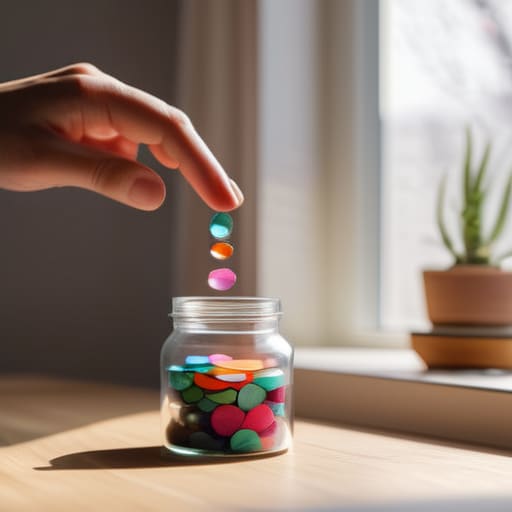
As we wrap up, I want you to remember that managing ADHD isn’t about forcing yourself into a rigid, neurotypical mold that never quite fit. We’ve talked about navigating executive dysfunction and building workflows that actually respect your brain’s unique energy cycles. Whether you’re implementing micro-tasks to bypass that dreaded paralysis or setting up environments that minimize sensory overwhelm, the goal is the same: to build a toolkit that works for you, not against you. It’s about finding those small, sustainable wins that allow you to stay productive without burning out your precious mental reserves before the day is even done.
If there is one thing my transition from the high-stakes world of finance to the unpredictable kitchen has taught me, it’s that the best recipes—and the best careers—require a little bit of flexibility. You don’t need to be perfect to be successful; you just need to be kind to yourself when things get messy. Don’t let a low-focus day convince you that you aren’t capable of achieving your wildest dreams. Keep experimenting, keep adjusting your seasoning, and remember that your neurodivergence is a part of your unique brilliance, not a barrier to it. You’ve got this, and I’m cheering you on every step of the way.
Frequently Asked Questions
How do I stop feeling so much guilt on the days when my ADHD makes it impossible to stick to my productivity systems?
Oh, I have been exactly where you are—staring at a perfectly organized planner while my brain feels like it’s stuck in a fog. Please, give yourself some grace. Your productivity system is a tool to serve you, not a judge to punish you. On those heavy days, stop fighting the tide. Instead of forcing the “ideal” workflow, pivot to “low-power mode.” Focus on one tiny win, grab a comforting meal, and remember: your worth isn’t tied to your output.
Are there ways to manage my focus during a high-pressure workday without relying solely on caffeine or constant snacking?
I totally get it—the caffeine jitters and mindless snacking are such a common trap when the pressure mounts. Instead of reaching for another espresso, try “sensory grounding.” When my brain starts racing, I step away for five minutes to focus on something tactile or even just a quick breathing exercise. It sounds simple, but resetting your nervous system can do wonders for focus. Think of it as a mental palate cleanser for your productivity!
How can I start building a "safety net" financially if my neurodivergence makes traditional 9-to-5 stability feel so overwhelming?
I totally get it—the traditional 9-to-5 grind can feel like a sensory and cognitive nightmare when your brain doesn’t work in straight lines. To build a safety net without the burnout, stop thinking about rigid monthly quotas. Instead, try “micro-saving” during your high-focus windows. Automate small, manageable transfers so you don’t have to rely on executive function to remember them. It’s about creating a buffer that protects your freedom, not just your bank account.