I still remember sitting in a high-pressure analyst meeting at my old firm in San Francisco, surrounded by sleek tablets and expensive digital styluses, feeling completely overwhelmed by the sheer amount of information flying at me. Everyone seemed to be using these hyper-complex, $50-a-month productivity apps, yet I was staring at a blank screen, realizing that none of these fancy note taking methods were actually helping me retain a single piece of data. It felt like we were all just performing “productivity theater” instead of actually learning, which is a huge waste of both time and money.
I’m not here to sell you on a subscription service or a complicated system that requires a PhD to navigate. Instead, I want to share the practical, no-nonsense frameworks I’ve developed by blending my analytical background with the chaotic, creative demands of running a kitchen. I’m going to walk you through the most effective note taking methods that actually work for real life, helping you organize your thoughts so you can spend less time scribbling and more time pursuing the things you actually love.
Table of Contents
The Digital vs Handwritten Notes Debate Finding Your Perfect Balance
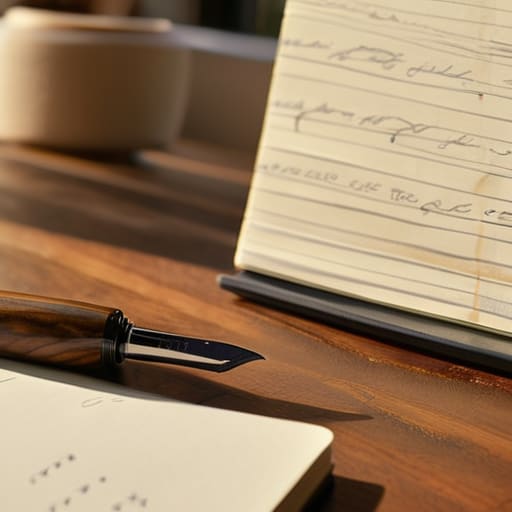
I remember sitting in my old cubicle at the firm, frantically typing away at my laptop during meetings, trying to capture every single decimal point. I thought speed was everything. But when I transitioned into the kitchen, I realized that speed doesn’t always equal comprehension. This is the heart of the digital vs handwritten notes debate. There’s something about the tactile sensation of a pen on paper—much like the precise way I handle a chef’s knife—that forces my brain to slow down and actually process the information rather than just transcribing it.
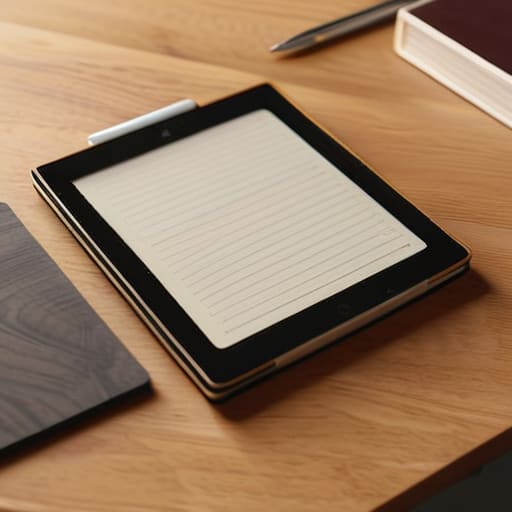
That being said, I’m a Millennial, so I’m not about to toss my iPad out the window. I’ve found that the most successful people I know use a hybrid approach. I might use a tablet for organizing lecture notes or complex business data because of the searchability, but when I’m developing a brand-new fusion recipe, I head straight for my vintage journal. Using a pen allows for a level of creative flow that a keyboard just can’t mimic. It’s all about choosing the tool that serves your specific goal in that moment.
Mastering the Cornell Note Taking System for Career Success
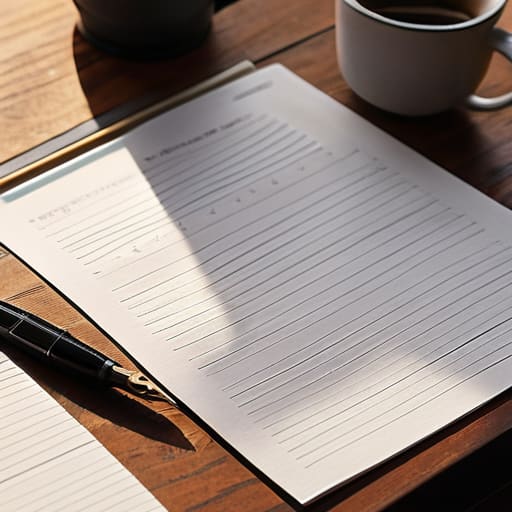
When I was working as a financial analyst, my days were a whirlwind of rapid-fire meetings and complex data dumps. I quickly realized that simply scribbling everything down wasn’t enough; I needed a way to actually digest the information. That’s when I discovered the Cornell note taking system, and honestly, it changed my entire approach to professional development. By dividing your page into distinct sections for cues, notes, and a summary, you aren’t just recording words—you’re actively processing them.
It’s a bit like prepping for a big dinner service. You wouldn’t just throw ingredients into a pan without a plan, right? You need your mise en place. Using this method forces you to engage in active listening techniques during a presentation or meeting, rather than just acting like a human stenographer. Instead of being overwhelmed by a mountain of data, you end up with a structured roadmap that makes reviewing much easier. It’s one of those rare, high-yield habits that helps you bridge the gap between just “getting through the day” and actually mastering your craft.
My Secret Sauce for Making Notes Actually Stick
- Don’t just transcribe; translate. When I was a financial analyst, I realized that typing every word a speaker said was a waste of brainpower. Instead, try to rewrite ideas in your own words—it’s the difference between a grocery list and a recipe; one is just data, the other is something you can actually use.
- Curate your “Mise en Place” for information. Just like I organize my kitchen station before a big service, you need to organize your digital or physical workspace. If your notes are scattered across three different apps and a random napkin, you’ll never find the “flavor” of the idea when you actually need it.
- Use color coding to separate the “ingredients.” I love using different colored pens (or digital highlighters) to distinguish between raw data, my own spontaneous ideas, and urgent action items. It makes reviewing your notes feel less like a chore and more like scanning a well-composed menu.
- The “Taste Test” Review. Never let a page of notes sit untouched for too long. I’ve found that spending just five minutes at the end of the day reviewing what you captured helps cement that knowledge. It’s like tasting your sauce as you go—you catch the mistakes before the dish is served.
- Embrace the imperfection. Some days, my notes look like a chaotic brainstorm, and other days, they are as structured as a balance sheet. Don’t let the pursuit of a “perfect” system stop you from capturing a brilliant idea. The best method is the one that actually gets your thoughts out of your head and onto the page.
Making Note-Taking Work for Your Unique Life
Don’t get caught in the “perfect system” trap; whether you’re tracking market trends or perfecting a sourdough recipe, the best method is the one that actually helps you take action.
Treat your note-taking like a balanced budget—invest time in organized systems now so you have more mental “capital” to spend on your passions later.
Use your notes as a bridge between learning and doing, turning raw information into a roadmap that supports both your professional growth and your personal dreams.
Finding Your Own Rhythm
“Just like transitioning from a structured spreadsheet to the beautiful chaos of a busy kitchen, the best note-taking method isn’t the one that looks prettiest on paper—it’s the one that actually clears the mental clutter so you have more room to create.”
Rachel Anderson
Finding Your Own Rhythm
At the end of the day, whether you’re leaning into the tactile satisfaction of a leather-bound journal or leveraging the lightning speed of a digital app, the “best” method is simply the one that works for your unique brain. We’ve looked at how the digital-versus-analog debate isn’t a zero-sum game and how structured frameworks like the Cornell system can act as a scaffold for your professional growth. Just like when I was transitioning from spreadsheets to sourdough, I learned that you don’t need to follow a rigid recipe to get great results; you just need a reliable system that allows you to capture the essence of what you’re learning without getting lost in the weeds.
As you move forward, I want you to remember that these tools are meant to serve you, not the other way around. Don’t let the pursuit of the “perfect” organizational setup become a distraction from the actual work—or the actual living—you’re trying to do. Use these methods to clear the mental clutter, so you have more room to dream big and cook bold. Whether you’re studying for a certification or sketching out a new business plan, keep your eyes on the prize and trust your process. After all, the goal isn’t just to have better notes, but to build a life that’s organized enough to let your passions truly flourish.
Frequently Asked Questions
How can I keep my notes organized without letting them become a second full-time job that eats into my creative time?
The secret is to stop treating your notes like a museum archive and start treating them like a pantry. In my kitchen, I don’t organize every single spice jar by its molecular weight—I just need to know where the cumin is when I’m mid-recipe. Apply that same logic! Use a “capture and cull” system: jot things down quickly, then once a week, move only the essentials to your main system. If it’s not useful, let it go.
Are there specific note-taking strategies that help when I'm trying to learn something completely new, like a complex recipe or a new financial model?
When I’m tackling a complex new financial model or a multi-step recipe, I swear by the “Flow Method.” Instead of just transcribing, I map out the logic—like how a sudden change in interest rates ripples through a model, or how heat affects a delicate emulsion. I also love using “Active Recall” by summarizing the core concept in my own words immediately after. It’s about building mental muscle memory, whether you’re in the kitchen or the boardroom.
How do I transition my note-taking habits from a structured corporate environment to a more fluid, entrepreneurial lifestyle?
Transitioning from the rigid spreadsheets of my finance days to the beautiful chaos of running a kitchen taught me one thing: don’t let your systems stifle your creativity. In corporate life, notes are for compliance; in entrepreneurship, they’re for inspiration. I’ve moved away from strict templates toward a “hybrid flow.” I use structured digital apps for my business expenses and inventory, but I keep a messy, tactile journal for recipe tweaks and big-picture ideas. Let your tools serve your vision, not the other way around.