Have you ever sat in your own home, surrounded by beautiful furniture, only to feel like you were stuck in a waiting room at a corporate dental office? It’s a frustrating phenomenon: you spend a fortune on “designer” pieces, yet your space feels completely disconnected from the way you actually live. We’ve been sold this myth that perfect living room layout ideas require a massive renovation budget or a professional decorator on speed dial, but honestly, that’s just expensive noise. I spent years in finance analyzing why certain investments failed, and I see the same thing happening in home design—we focus so much on the aesthetic that we completely ignore the functional flow of our daily lives.
I’m not here to give you a catalog of Pinterest-perfect rooms that look great but feel cold. Instead, I want to share how you can use a little bit of strategic planning to create a space that actually serves you, whether you’re hosting a lively dinner party or curling up with a vintage cookbook. I’ll be diving into practical, no-nonsense layouts that prioritize connection and comfort without breaking your bank account. Let’s stop decorating for strangers and start designing for the life you actually lead.
Table of Contents
- Mastering Small Living Room Space Optimization
- Focal Point Placement in Living Rooms for Joy
- Designing for Connection: My Top 5 Layout Secrets for a Room That Feels Like Home
- Making Your Space Work for Your Life and Your Wallet
- Designing for Connection
- Creating a Space That Truly Nourishes You
- Frequently Asked Questions
Mastering Small Living Room Space Optimization
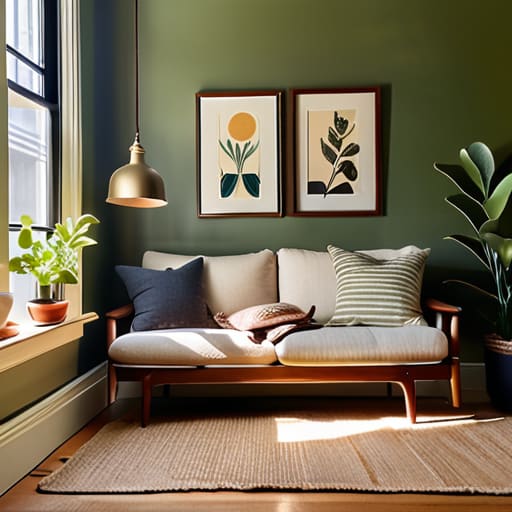
When I first moved into my tiny studio in the Mission, I felt like I was constantly tripping over my own furniture. It’s a common hurdle when you’re trying to balance a cozy vibe with actual functionality. The secret to small living room space optimization isn’t just about buying smaller pieces; it’s about being intentional with how you direct the energy of the room. I learned quickly that if you don’t establish a clear focal point placement in living rooms—whether that’s a stunning vintage bookshelf or a curated gallery wall—the space can end up feeling cluttered and aimless rather than intentional.
I also realized that even in a cramped apartment, you can’t sacrifice the way people interact. Instead of pushing everything against the walls (which actually makes a room feel smaller!), I started experimenting with conversational seating arrangements. By pulling a small armchair slightly inward or using a slim ottoman, you create an inviting nook that feels purposeful. It’s all about maximizing every square inch without making the room feel like a storage unit. Trust me, once you master the flow, even the smallest footprint can feel like a luxury retreat.
Focal Point Placement in Living Rooms for Joy
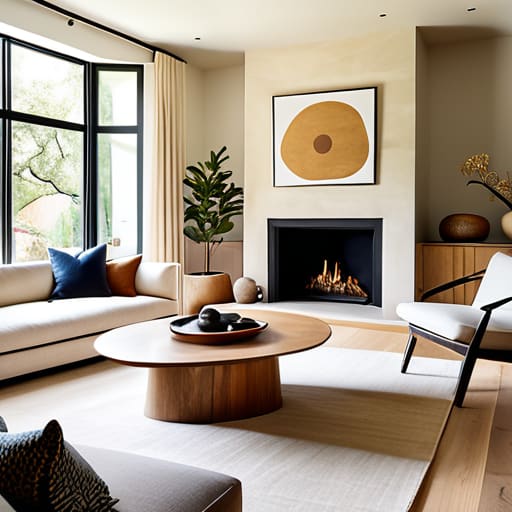
When I first transitioned from the high-stakes world of finance to my kitchen studio, I realized that just like a well-balanced investment portfolio, a room needs a central anchor to prevent it from feeling chaotic. In interior design, focal point placement in living rooms serves a similar purpose; it gives your eyes a place to rest and your mind a sense of order. Whether it’s a stunning fireplace, a curated gallery wall of my favorite vintage cookbook covers, or even a large window overlooking the city, that centerpiece dictates how everything else should fall into place.
Once you’ve identified that “star of the show,” the magic happens in how you orient your furniture around it. I’m a huge advocate for creating conversational seating arrangements that prioritize connection. Instead of just shoving a sofa against a wall, try angling your chairs toward the focal point. This creates a natural sense of intimacy, making your space feel intentional rather than accidental. By centering your layout around a meaningful object, you aren’t just decorating; you’re designing a backdrop for the memories you’re about to make.
Designing for Connection: My Top 5 Layout Secrets for a Room That Feels Like Home
- Prioritize the “Conversation Circle.” When I was working in finance, I realized how much environment dictates interaction. In your living room, don’t just line your chairs up against the walls like a waiting room; pull your seating closer together to create an intimate circle that actually invites people to stay and talk.
- Create “Flow Zones” to avoid the clutter creep. Just like balancing a budget, you need structure. Ensure there’s a clear, unobstructed path for walking through the room so you aren’t constantly tripping over coffee tables or navigating a maze just to get to the kitchen for a snack.
- Use Rugs to Anchor Your Investment. Think of a large area rug as the foundation of your room’s economy. A rug that’s too small makes the space feel fragmented and cheap, but one that’s large enough to tuck under all your seating pieces ties the whole “market” together and feels incredibly high-end.
- Layer Your Lighting for Mood and Function. One harsh overhead light is the enemy of a cozy evening. I love mixing different light sources—a sleek floor lamp for reading, some soft ambient lighting for dinner parties, and maybe a small task lamp—to create depth and warmth that a single bulb just can’t provide.
- Leave Some “Negative Space” to Breathe. In my culinary ventures, I’ve learned that sometimes the most important part of a dish is the space between the flavors. The same goes for your layout; don’t feel the need to fill every single corner with furniture. Leaving some empty space prevents the room from feeling claustrophobic and lets your favorite decor pieces really shine.
Making Your Space Work for Your Life and Your Wallet
Think of your layout as a long-term investment; instead of buying trendy, cheap furniture that won’t last, focus on versatile, high-quality pieces that can evolve with your changing lifestyle and career stages.
Create “zones” for different activities—whether it’s a cozy corner for reading a vintage cookbook or a clear area for hosting friends—to ensure your room supports both your personal peace and your social ambitions.
Don’t let a small footprint stop you from being intentional; by prioritizing flow and functional focal points, you can make even the most modest apartment feel like a curated, high-end sanctuary that feeds your soul.
Designing for Connection
“Think of your living room layout not just as a way to arrange furniture, but as a way to invest in your quality of life; when you create a space that invites conversation and comfort, you’re essentially building a sanctuary that nourishes your soul as much as a home-cooked meal nourishes your body.”
Rachel Anderson
Creating a Space That Truly Nourishes You
As we’ve explored, designing the perfect living room isn’t just about following a set of rigid rules or buying the trendiest furniture from a catalog. It’s about the intentionality behind every choice—whether you are maximizing every square inch of a cozy apartment or strategically placing a focal point to draw the eye toward something that brings you genuine joy. By mastering small space optimization and being mindful of how we direct energy within a room, we turn a mere living area into a functional extension of our personalities. Remember, a well-planned layout is the foundation that allows your home to support everything from a quiet morning coffee to a lively dinner party with friends.
At the end of the day, your home should be your greatest investment in your own well-being. Just like I learned when transitioning from the structured world of finance to the beautiful chaos of culinary entrepreneurship, the most rewarding things in life often require a bit of calculated risk and creative courage. Don’t be afraid to experiment with your floor plan or swap out that old armchair for something that actually speaks to your soul. You deserve a sanctuary that feels as rich and layered as your favorite recipe. So, take those first steps, trust your intuition, and start building a space that truly feeds your spirit.
Frequently Asked Questions
How can I rearrange my living room layout to better accommodate hosting dinner parties without feeling cramped?
Think of your living room like a well-planned dinner service: flow is everything. To host without the squeeze, pull your seating away from the walls to create a conversational “island” around your coffee table. If you’re tight on space, swap a bulky sofa for a few lightweight armchairs that can be easily repositioned. This opens up the floor for guests to move toward the kitchen, ensuring the transition from cocktails to courses feels effortless and breezy.
Is it possible to create a functional home office nook within my living room layout without ruining the cozy vibe?
Oh, I have been exactly where you are! When I was transitioning from my finance role, I had to carve out a workspace in my tiny apartment without losing that “sanctuary” feel. It’s absolutely possible. The trick is to use “visual zoning.” Instead of a heavy desk, try a slim console table or a beautiful vintage writing desk that doubles as decor. Add a soft rug or a dedicated lamp to define the space—it keeps things functional for work, but cozy enough for your evening wind-down.
How do I choose the right rug size to help define my seating area and make the layout feel more intentional?
Think of a rug as the “anchor” for your room’s economy—it dictates how everything else flows. To make your seating area feel intentional rather than cluttered, aim for a size where at least the front legs of all your main furniture pieces (sofas and chairs) sit comfortably on the rug. This creates a cohesive “zone” that feels grounded. If the rug is too small, it looks like a floating island, which can make your space feel disjointed and uninspired.