I remember sitting in my old cubicle back in San Francisco, surrounded by the sterile hum of fluorescent lights and a mountain of spreadsheets that felt like they were swallowing me whole. I used to think that if I just bought the most expensive ergonomic chair or a high-tech standing desk, I’d suddenly become a productivity machine, but I was wrong. Most of the “expert” advice out there on how to build a productive workspace is just expensive fluff designed to make you feel like you need a total renovation to get things done. In reality, a cluttered desk or a poorly lit corner doesn’t just mess with your focus; it drains your mental energy before you even start your first task.
I’m not here to sell you a $1,000 gadget or a minimalist aesthetic that looks pretty on Instagram but feels soul-crushing to actually work in. Instead, I want to share the practical, no-nonsense strategies I used to transition from the high-stakes world of finance to the chaotic, creative life of a food entrepreneur. We’re going to look at how to curate a space that actually fuels your ambition without breaking the bank, ensuring you have the mental clarity to crush your career goals and still have the energy to cook something incredible at the end of the day.
Table of Contents
- Ergonomic Office Setup Tips for Long Term Career Joy
- Optimal Lighting for Productivity and Soulful Inspiration
- Curating Your Corner: 5 Ways to Fuel Your Focus and Your Soul
- Small Tweaks, Big Returns: My Top Takeaways for Your Space
- The Soul of Your Workspace
- Creating a Space That Works as Hard as You Do
- Frequently Asked Questions
Ergonomic Office Setup Tips for Long Term Career Joy
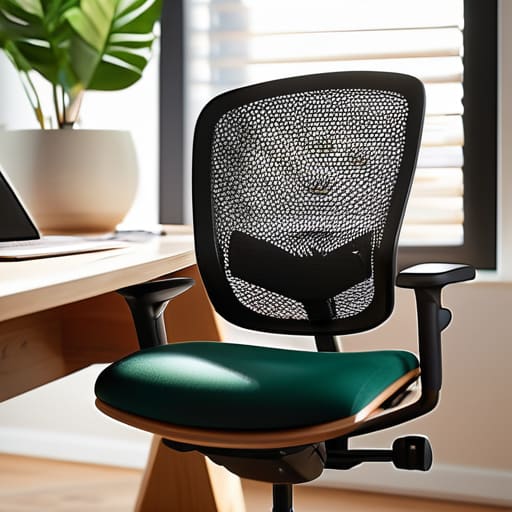
When I was still grinding away at my desk in the financial district, I used to think that a stiff neck and a constant headache were just “part of the job.” I was wrong. If you want to sustain a career you actually love, you can’t afford to let physical burnout sabotage your ambition. One of my favorite ergonomic office setup tips is to invest in a chair that actually supports your spine, rather than just looking chic in your Zoom meetings. Your body is your most important asset—think of it like the foundation of a high-growth startup.
It’s also about how you interact with your environment throughout the day. I’ve found that improving focus with workspace design often starts with your eyes. If you’re squinting at a screen in a dim room, your brain is working twice as hard just to process basic information. Aim for optimal lighting for productivity by positioning your desk near natural light or using a warm task lamp. When your physical environment feels effortless, you stop fighting your surroundings and start actually crushing your goals.
Optimal Lighting for Productivity and Soulful Inspiration
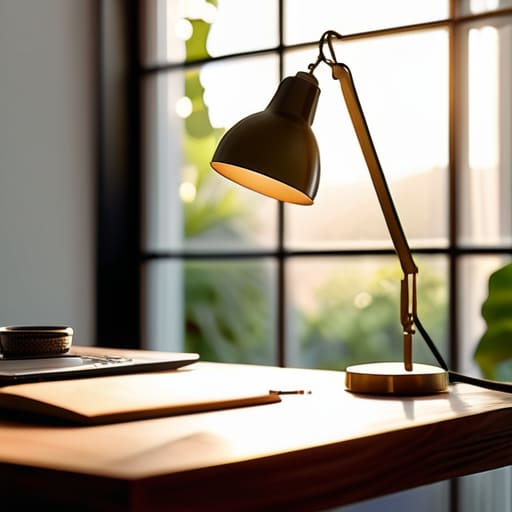
If there is one thing my years in finance taught me, it’s that the harsh, flickering fluorescent lights of a corporate cubicle are the ultimate mood killers. When I was analyzing spreadsheets all day, I felt like my brain was constantly in a fog. Now that I’m designing my own kitchen and studio, I realize that optimal lighting for productivity isn’t just about seeing what you’re doing; it’s about how you feel while doing it. I always recommend layering your light. Start with plenty of natural sunlight to keep your circadian rhythms in check, but add a warm, adjustable desk lamp for those late-night recipe testing sessions.
Avoid that clinical, blue-toned glare that makes you feel like you’re in a hospital wing. Instead, aim for a soft, warm glow that invites creativity. By improving focus with workspace design through intentional lighting, you create a sanctuary rather than just a workstation. It’s all part of the same philosophy: when your environment nourishes your senses, your work naturally becomes more inspired and much less like a chore.
Curating Your Corner: 5 Ways to Fuel Your Focus and Your Soul
- Declutter your physical space to declutter your mind. I used to keep every single spreadsheet printout and vintage recipe card on my desk, but I realized the chaos was killing my creativity. Keep only what you need for the task at hand; a clean desk is basically a reset button for your brain.
- Incorporate “sensory anchors” that ground you. Whether it’s a high-quality candle with a scent that signals ‘deep work time’ or a curated lo-fi playlist, use your senses to signal to your brain that it’s time to transition from “busy mode” to “flow mode.”
- Integrate greenery to breathe life into your grind. There’s something about a small pothos or a succulent that makes a sterile office feel like a living, breathing part of your world. It’s a tiny investment that pays massive dividends in mental clarity and mood.
- Set up a “Transition Station” for your breaks. Instead of scrolling through your phone at your desk, have a dedicated spot—even if it’s just a cozy chair or a specific corner of the kitchen—where you step away to enjoy a cup of tea or a quick snack. It keeps your workspace for work and your rest for actual rejuvenation.
- Personalize with purpose, not just for aesthetics. Decorate with items that remind you why you’re working so hard—maybe a photo from a favorite culinary trip or a quote from a mentor. If your surroundings reflect your journey, you’ll feel more connected to your goals when the mid-afternoon slump hits.
Small Tweaks, Big Returns: My Top Takeaways for Your Space
Invest in your physical comfort early; just like a good kitchen setup, an ergonomic desk and chair prevent the burnout that can derail your biggest career ambitions.
Don’t underestimate the power of light; use natural sunlight or warm lamps to create an atmosphere that fuels both your focus and your creative soul.
Treat your workspace as an evolving investment, constantly refining it to ensure it supports both your professional grind and your personal passion.
The Soul of Your Workspace
“Your desk shouldn’t just be a place where you grind through spreadsheets; it should be a sanctuary that fuels your ambition and leaves you enough mental energy to actually enjoy a home-cooked meal at the end of the day.”
Rachel Anderson
Creating a Space That Works as Hard as You Do
At the end of the day, building a productive workspace isn’t about buying the most expensive gadgets or following every single design trend you see on Pinterest. It’s about the intentionality behind the setup—ensuring your chair supports your body during those long afternoon deep-dives, and that your lighting actually nourishes your mood rather than draining it. By prioritizing ergonomics and finding that perfect balance of light, you aren’t just organizing a desk; you are investing in your long-term professional well-being. When your environment is dialed in, you stop fighting against your surroundings and start flowing with your work.
As I look back on my own transition from the rigid cubicles of financial analysis to the beautiful, chaotic energy of my kitchen, I’ve realized that our physical spaces are the silent partners in our success. Whether you are crunching numbers or perfecting a new fusion recipe, your environment should be a sanctuary that fuels your ambition. Don’t be afraid to iterate and change things up as your passions evolve. Remember, your workspace should be a reflection of your journey, designed to help you crush your career goals while leaving you enough mental energy to enjoy a spectacular meal at the end of the day. You’ve got this!
Frequently Asked Questions
How can I create a productive workspace if I'm working in a tiny apartment with zero room for a dedicated office?
Look, I’ve been there. When I was first pivoting from finance to my food business, I was squeezing my “office” into a tiny corner of a studio apartment. When space is tight, you have to think vertically and multi-purpose. Try a rolling cart for your supplies or a wall-mounted fold-down desk. It’s all about creating a “mental boundary”—even if it’s just a specific lamp you turn on to signal that work mode has officially begun.
Is it actually worth investing in high-end equipment, or can I find budget-friendly ways to make my setup feel professional?
Look, I get it. Coming from a finance background, my instinct is always to look at the ROI. But here’s the truth: you don’t need a thousand-dollar chair to feel like a pro. Think of it like a kitchen—you need a sharp knife, but you don’t need a commercial range to make a Michelin-star meal. Invest in the essentials that touch your body, like a decent ergonomic mouse, and get creative with the rest.
How do I keep my workspace from becoming a cluttered mess of cookbooks and financial spreadsheets when I'm juggling multiple passions?
I totally get this—my desk used to look like a battlefield between my old Bloomberg terminals and my latest vintage Escoffier find. The trick is “zoning.” Create a dedicated “Deep Work” zone for those heavy-lifting spreadsheets and a separate “Creative Nook” for your culinary inspiration. Use beautiful, functional dividers or even a rolling kitchen cart to tuck away the cookbooks when you’re in analysis mode. It keeps the chaos at bay without stifling your soul.