I remember sitting in my cubicle back in my analyst days, staring at spreadsheets until the cells started to blur into a meaningless gray soup. My head was throbbing, my vision felt like it was being pulled through a sieve, and I was honestly convinced that the only solution was to buy one of those ridiculously overpriced, blue-light-blocking glasses that promised to save my soul. But after years of navigating both high-stakes finance and the chaotic, fast-paced kitchen life, I’ve realized that most of the “miracle cures” for digital fatigue are just expensive marketing fluff. If you are genuinely searching for how to reduce eye strain from screens without draining your savings, you don’t need a gadget; you need a sustainable strategy.
I’m not here to sell you a lifestyle overhaul or a piece of tech you’ll lose in a drawer by next week. Instead, I want to share the practical, no-nonsense habits that helped me transition from staring at Bloomberg terminals to perfecting fusion recipes without feeling like my eyes were on fire. We’re going to dive into real, experience-based adjustments—from lighting tweaks to the “20-20-20” rule—that actually work. Let’s protect your vision so you can keep chasing your passions and enjoying every delicious moment of it.
Table of Contents
Identifying Computer Vision Syndrome Symptoms Early

It’s easy to brush off a little headache or some slight fuzziness in your vision as just “part of the job,” especially when you’re deep in a spreadsheet or perfecting a new recipe. But I’ve learned from my finance days that ignoring the small warning signs can lead to much bigger, more expensive problems down the line. When we talk about computer vision syndrome symptoms, we aren’t just talking about tired eyes; we’re talking about that nagging ache in your neck, blurred vision, or even a sudden sensitivity to light that makes you want to retreat into a dark room.
The trick is to catch these signals before they become a daily struggle. If you find yourself squinting more than usual or feeling like your eyes are gritty and dry, your body is trying to tell you something. I used to think I could just power through it with an extra espresso, but preventing dry eyes from digital devices actually requires much more than caffeine. Recognizing that mid-afternoon slump—where your focus slips and your eyes feel heavy—is the first step toward reclaiming your comfort so you can get back to the things that actually bring you joy.
The 20 20 20 Rule for Eye Health and Joy
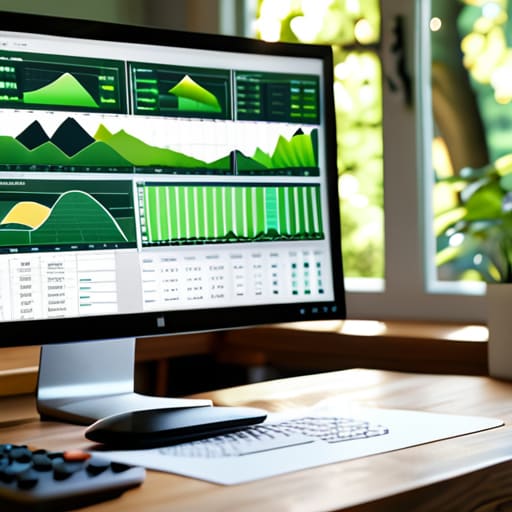
If there is one thing my years in financial analysis taught me, it’s that even the most disciplined person can fall into the trap of “tunnel vision.” I used to spend hours staring at spreadsheets, completely oblivious to the dull ache behind my eyes until my head started throbbing. That’s where the 20-20-20 rule for eye health became my absolute lifesaver. It’s incredibly simple: every 20 minutes, look at something at least 20 feet away for at least 20 seconds. It sounds almost too easy, doesn’t it? But trust me, giving your ocular muscles a momentary break is the difference between ending your workday feeling energized or feeling like you’ve been in a mental fog.
Think of it as a micro-reset for your brain, much like how a quick palate cleanser helps you appreciate the next course in a tasting menu. By stepping away from the glare, you aren’t just preventing dry eyes from digital devices; you’re actually reclaiming your focus. I like to pair this habit with a quick stretch or a sip of water. It’s these tiny, intentional moments of self-care that allow us to keep building our dreams without burning out before we even reach the kitchen.
Setting Up Your Space for Success (and Sight!)
- Let’s talk lighting—nothing drains my energy (or my eyes) faster than a harsh glare on my monitor. Try to position your screen so you aren’t fighting reflections from windows or overhead lights; a soft, indirect light is much kinder to your vision during those long afternoon stretches.
- Adjust your screen settings to match your environment. If you’re working late into the evening, turning on a “night mode” or a blue light filter can make a world of difference in preventing that heavy, gritty feeling in your eyes.
- Check your posture and screen distance. I learned the hard way that hunching over a laptop is a recipe for disaster. Keep your screen about an arm’s length away and ensure the top of the monitor is at eye level so you aren’t constantly tilting your head.
- Don’t forget to blink! It sounds silly, but when we’re deep in a spreadsheet or a new recipe, we tend to stare intensely without blinking. Making a conscious effort to blink more frequently helps keep your eyes lubricated and prevents that dreaded dryness.
- Consider investing in some quality eyewear. If you find yourself squinting more than usual, it might be time to chat with an eye doctor about blue light glasses or a specific prescription for computer use—think of it as a smart investment in your most important tool for navigating both your career and your kitchen.
Making Eye Health Work for Your Hustle
Think of eye care like a budget—small, consistent investments in things like the 20-20-20 rule pay much higher dividends for your long-term productivity than trying to fix a burnout-induced headache later.
Don’t ignore the early warning signs; catching symptoms like dryness or blurriness early is the best way to ensure your career transitions—whether in finance or food—don’t get sidelined by avoidable health issues.
Optimize your workspace environment to reduce friction, because a well-lit, ergonomic setup isn’t just a luxury; it’s a foundational tool that lets you focus on your passion instead of your discomfort.
## Protecting Your Vision for the Long Game
“In my old life, I was all about protecting the bottom line, but I’ve learned that your most valuable asset isn’t in a bank account—it’s your ability to actually show up and experience the world, whether that’s through a spreadsheet or the vibrant colors of a new recipe. Don’t let screen fatigue rob you of the clarity you need to chase your biggest dreams.”
Rachel Anderson
Protecting Your Vision for the Long Haul
At the end of the day, managing eye strain isn’t about finding a single magic cure; it’s about building a sustainable rhythm that works for your lifestyle. Whether it’s staying vigilant about the early warning signs of Computer Vision Syndrome, implementing the 20-20-20 rule, or simply being more mindful of your workspace ergonomics, these small shifts make a massive difference. Think of it like diversifying your investment portfolio—you don’t just make one big move; you make consistent, smart adjustments to ensure long-term stability. By taking these steps now, you aren’t just protecting your eyesight; you are safeguarding your most valuable asset for the work and the passions that lie ahead.
I know how easy it is to get lost in the “grind,” especially when you’re building something new or scaling a career. But remember, your ambition shouldn’t come at the expense of your health. I’ve learned through my own transition from finance to food that the most successful people aren’t just the hardest workers—they are the ones who sustain their energy for the long run. Don’t let a screen dim the brightness of your future. Take those breaks, look away from the blue light, and make sure you’re looking forward to the beautiful things waiting for you beyond the monitor.
Frequently Asked Questions
Does using blue light glasses actually make a difference, or is it just another marketing gimmick?
Honestly, I used to think blue light glasses were just another trendy gadget—kind of like those overpriced artisanal olive oils I see in boutique markets. But after diving into the research, it’s a bit of a mixed bag. While they might not be a magic shield against eye strain, they can definitely help regulate your sleep cycle if you’re working late into the night. If they help you feel more comfortable while grinding away, they’re worth the investment.
How can I adjust my workspace setup to help prevent headaches if I'm stuck at a desk all day?
If you’re feeling those tension headaches creeping in, it’s usually your body’s way of saying your setup is working against you. Think of your desk like a kitchen station: if your tools are poorly placed, you’ll be exhausted by the end of the shift. Try raising your monitor so your eyes hit the top third of the screen, keeping your neck neutral. Also, ditch the harsh overhead lights for something softer—glare is a total headache inducer.
Are there specific types of screen settings or lighting adjustments that can help without making my work look weird?
I totally get it—nobody wants to work under a harsh, clinical glow that makes your spreadsheets look like a horror movie. Start by adjusting your monitor brightness to match the ambient light in your room; if your screen is a glowing beacon in a dark room, it’s going to wreck your eyes. Also, try a warm-toned “night mode” or blue light filter. It softens the glare without making your work look anything less than professional.