I was staring at my favorite vintage Levi’s—the ones that fit like a second skin and have survived three moves and a career pivot—when I realized there was a gaping hole right where I needed them most. My first instinct was to toss them, thinking that once denim fails, it’s game over. But as someone who spent years analyzing spreadsheets before diving into the chaotic, beautiful world of food entrepreneurship, I’ve learned that the most valuable assets are often the ones worth repairing. Learning how to patch jeans isn’t just about saving a few bucks; it’s about honoring the things we love instead of falling into the trap of mindless consumerism.
In this guide, I’m stripping away the complicated sewing jargon to give you a straightforward, no-nonsense approach to mending. Whether you want a subtle, invisible fix or you’re looking to lean into that creative, patchwork aesthetic that’s so trendy right now, I’ve got you covered. I’ll walk you through the essential tools you actually need and the simplest techniques to get the job done. Let’s turn those worn-out holes into a testament to your style and your financial savvy instead.
Table of Contents
- Step-by-Step Instructions
- Mastering Visible Mending Techniques for a Unique Look
- Finding Beauty in Denim Fabric Scraps for Patching
- Pro-Tips for Making Your Repairs Last (And Look Amazing)
- Making it Last: My Top Tips for Your Denim Journey
- The Value of the Mend
- Mending Your Way Forward
- Frequently Asked Questions
Guide Overview
Tools & Supplies
- Needle and thread or sewing machine for attaching the patch
- Fabric scissors for trimming excess material
- Denim patch or scrap fabric (1 piece)
- Thread in a matching color (1 spool)
Step-by-Step Instructions
- 1. First things first, you need to gather your supplies. Think of this like prepping your mise en place before a big dinner service; having everything within reach makes the process so much smoother. You’ll want a needle (a sturdy one!), some high-quality thread that matches your denim, and your patch material. Since I’m a sucker for a good aesthetic, I love using vintage scraps or even a piece of patterned fabric to turn a repair into a design feature.
- 2. Once you have your tools, take a moment to clean the area around the hole. I know, it sounds a bit extra, but getting rid of any loose threads or tiny bits of lint ensures your patch will actually stay in place. Use a pair of small scissors to trim away any fraying edges that look like they’re about to unravel further, but be careful not to cut into the healthy fabric of your jeans.
- 3. Now, let’s prep the patch itself. Place your fabric scrap underneath the hole, making sure it extends at least an inch beyond the damaged area on all sides. If you’re feeling a bit more advanced, you can use a bit of fabric glue to tack it down temporarily, which prevents the fabric from shifting around while you’re trying to sew—it’s a total game-changer for keeping your lines straight.
- 4. Time to get stitching! Start sewing around the perimeter of the patch using a simple running stitch or a backstitch for extra durability. I always recommend the backstitch if you’re planning on wearing these jeans for heavy-duty activities, like a long walk through a farmer’s market, because it provides that much-needed structural integrity.
- 5. Once the edges are secure, move to the interior of the hole. You can use a technique called “darning,” which is essentially weaving your thread back and forth across the hole to create a new surface of fabric. It’s a bit like balancing a budget—it takes a little patience and precision, but the end result is incredibly rewarding and much stronger than a quick fix.
- 6. As you work your way toward the center, try to mimic the direction of the denim’s weave. This helps the patch blend in more naturally rather than looking like a bulky afterthought. If you’re using a contrasting color, embrace it! I think a pop of color is a brilliant way to show off your personality and turn a “mistake” into a deliberate fashion choice.
- 7. Finally, give your work a gentle tug to make sure everything is tight and secure. If you notice any loose loops, just tie them off carefully with a double knot on the inside of the garment. Now, take a second to admire your handiwork; you’ve just saved a piece of clothing from the landfill and invested in your wardrobe without spending a dime at a retail store.
Mastering Visible Mending Techniques for a Unique Look
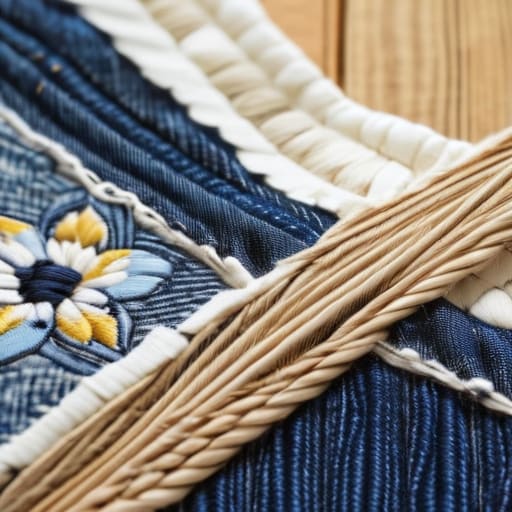
If you’re feeling a little intimidated by the idea of a visible repair, think of it less like a “fix” and more like adding a personal touch to your wardrobe. I used to think that if a repair wasn’t invisible, it was a failure, but my time in the culinary world taught me that the most beautiful dishes often have character and texture. Instead of hiding the damage, lean into it! You can use denim fabric scraps for patching in contrasting colors or even scraps of vintage floral cotton to create a beautiful, bohemian aesthetic. It turns a worn-out pair of pants into a one-of-a-kind piece of wearable art.
To really elevate the look, I highly recommend experimenting with different darning stitches for denim. Using a contrasting embroidery thread to create geometric patterns or simple cross-stitches can make the repair look intentional and high-end. It’s a fantastic way to express your creativity while staying mindful of your budget. Plus, there is something incredibly therapeutic about the rhythmic motion of the needle—it’s my favorite way to decompress after a long day of managing kitchen logistics.
Finding Beauty in Denim Fabric Scraps for Patching
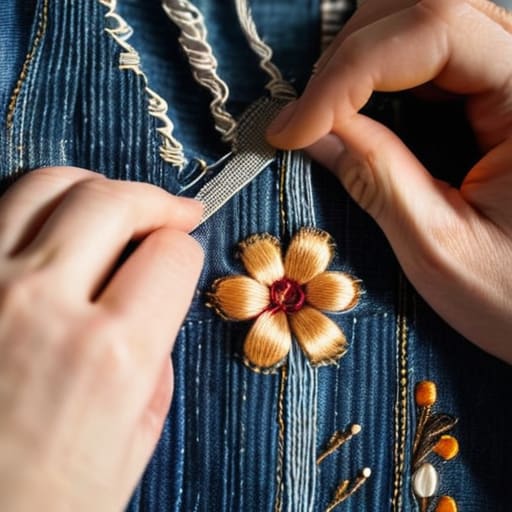
One thing I’ve learned from both my finance days and my kitchen adventures is that nothing truly valuable should ever go to waste. When you’re looking at denim fabric scraps for patching, don’t just see leftover bits; see a palette of textures and colors. I love scouring my old projects or even thrift stores for unique textiles—think a piece of vintage floral cotton or a rugged corduroy. Using these contrasting materials doesn’t just fix a tear; it turns your pants into a one-of-a-kind piece of wearable art that tells a story.
If you’re feeling a bit intimidated by the technical side, remember that perfection is overrated. You don’t always need a heavy-duty machine to master fixing holes in denim pants. Sometimes, the most soulful repairs come from simple, hand-done darning stitches that add a tactile, artisanal feel to the fabric. It’s a lot like fusion cooking—taking something familiar and adding a surprising, unexpected element to make it shine. Whether you’re layering scraps or using a bit of embroidery, let your creativity lead the way.
Pro-Tips for Making Your Repairs Last (And Look Amazing)
- Don’t skimp on the thread; I learned the hard way in my finance days that cutting corners leads to long-term costs, so invest in some high-quality, heavy-duty denim thread to ensure your patch doesn’t just peel off after one wash.
- Always prep your fabric by washing and drying the jeans first, because if you patch them while they’re brand new and stiff, the patch might shrink or warp differently than the denim once it finally hits the laundry cycle.
- Think of your patch like a fusion recipe—layering different textures and colors can turn a “fix” into a deliberate design choice that actually makes the jeans look more expensive and curated.
- Keep your tension steady while sewing; if you pull too tight, you’ll pucker the fabric and ruin the silhouette, but if it’s too loose, the repair won’t hold up to the daily grind of real life.
- Always trim the loose, fraying threads around the hole before you start patching, otherwise you’ll end up sewing a mess of fuzz into your repair instead of a clean, intentional-looking mend.
Making it Last: My Top Tips for Your Denim Journey
Don’t fear the needle; whether you’re going for a seamless repair or a bold, visible mend, patching your jeans is a way to honor the clothes you love rather than just replacing them.
Think of your scraps as a resource, not waste—using unique fabric bits to patch holes is a brilliant way to add personality to your wardrobe while keeping your spending intentional and low.
View mending as a way to bridge the gap between sustainability and style, proving that being mindful of your budget and your footprint can actually lead to a more creative, one-of-a-kind look.
The Value of the Mend
“Just like a well-crafted recipe or a balanced portfolio, there is a profound beauty in taking something worn and making it whole again; patching your jeans isn’t just about saving money, it’s about honoring the stories we wear on our sleeves.”
Rachel Anderson
Mending Your Way Forward
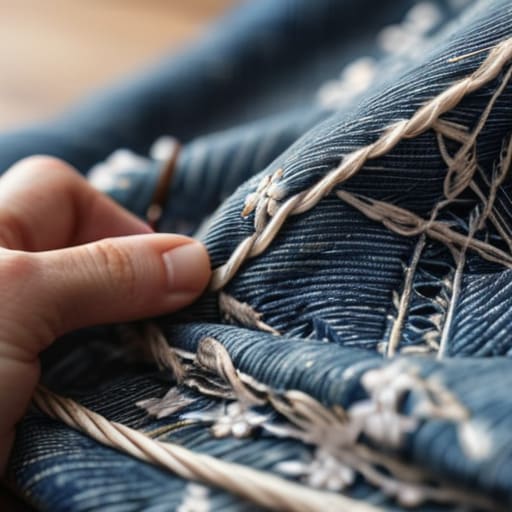
At the end of the day, patching your jeans is about so much more than just fixing a hole; it’s about reclaiming your wardrobe. Whether you decided to go the route of subtle, invisible repairs to keep things classic, or you leaned into the artistry of visible mending to create a one-of-a-kind masterpiece, you’ve successfully extended the life of a garment you love. By utilizing fabric scraps or mastering new stitching techniques, you aren’t just saving money—which, as my old finance brain always reminds me, is a huge win for your budget—but you are also actively choosing sustainability over mindless consumption.
Transitioning from the rigid spreadsheets of my financial analyst days to the tactile, sometimes messy world of culinary entrepreneurship taught me one vital lesson: there is immense beauty in the “repair” process. Just like a perfectly seasoned cast-iron skillet or a career pivot that feels a little daunting at first, mending requires patience and a bit of soul. Don’t be afraid to let your imperfections show. Whether it’s a patched denim jacket or a new professional path, remember that embracing the cracks is often what makes our personal stories so incredibly rich and resilient. Now, go grab your needle and thread and get creating!
Frequently Asked Questions
How do I know if a hole is too big or too far gone to actually fix myself?
Honestly, I’ve been there—staring at a pair of vintage Levi’s wondering if I’m about to waste an afternoon on a lost cause. My rule of thumb? If the hole is eating into a seam or if the fabric around it feels paper-thin and “crunchy,” it might be time to retire them. If you can’t find enough stable structure to anchor your patch, you’re better off repurposing them into something else!
What kind of thread or needle should I be looking for so I don't accidentally ruin the fabric?
This is such a great question! Honestly, the last thing we want is to end up with a lumpy mess or a giant hole where the denim used to be. I’d recommend grabbing a heavy-duty denim needle—they’re sharper and stronger for those thicker weaves. For thread, skip the flimsy stuff and go for a high-quality polyester or a dedicated heavy-duty cotton. It gives you that durability you need without snapping mid-stitch!
Is there a way to patch my jeans without them feeling stiff or uncomfortable to wear?
I totally get it—there’s nothing worse than a patch that feels like wearing a piece of cardboard. To keep that soft, lived-in feel, I recommend using lightweight cotton scraps or even thin flannel instead of heavy denim. Also, try using a smaller, finer needle and a thinner thread. It makes the repair much more flexible, so your jeans move with you rather than resisting every step you take!