Have you ever walked through your front door after a long, grueling day, only to be met with a literal mountain of shoes, stray mail, and tangled umbrellas? It’s that instant, heavy sigh of frustration that hits you before you’ve even had a chance to kick off your heels. I used to think that learning how to organize your entryway required a massive renovation budget or those overly curated, Pinterest-perfect mudrooms that look beautiful but are completely impractical for real life. But let’s be honest: if your entryway is a chaotic mess, it sets a frantic tone for your entire home before you’ve even reached the kitchen.
I’m not here to sell you on expensive, aesthetic-only organizers that will be overflowing with clutter by next Tuesday. Instead, I want to share a practical, budget-friendly blueprint rooted in the same efficiency and logic I used back in my finance days, blended with the warmth of a well-loved home. I’m going to show you how to create a streamlined transition space that actually works for your lifestyle, ensuring your home feels like a sanctuary from the moment you step inside.
Table of Contents
Small Entryway Organization Tips for a Peaceful Start
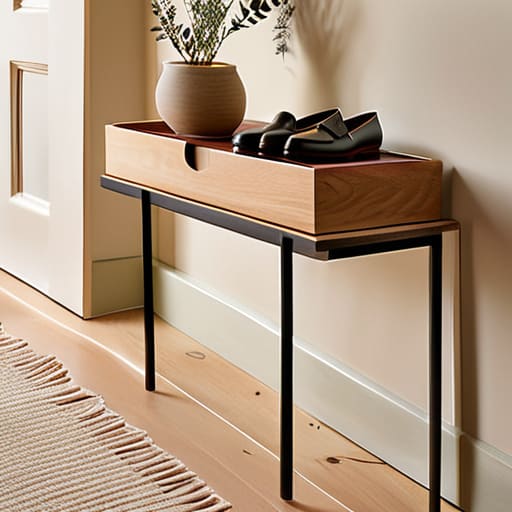
If you’re working with a tight floor plan, don’t let the lack of square footage discourage you. I used to think that a grand foyer was a prerequisite for a beautiful home, but my time in a tiny San Francisco apartment taught me otherwise. When space is at a premium, you have to prioritize entryway furniture for small spaces that pulls double duty. Think of a slim, wall-mounted console table or a narrow bench that offers hidden compartments. This way, you aren’t just decorating; you’re creating a streamlined transition zone that keeps the chaos of the outside world from spilling into your living room.
Another game-changer is looking upward. Since you can’t expand outward, use your vertical real estate to maximize efficiency. I’m a huge fan of incorporating clever shoe storage solutions for foyers, like sleek cubbies or even a stylishly tiered rack that keeps footwear tucked away rather than scattered across the floor. By keeping the ground clear, you create an immediate sense of visual calm. It’s all about that balance of aesthetic and utility—making sure your home feels like a sanctuary from the very first step you take inside.
Entryway Decor and Functionality for a Balanced Life
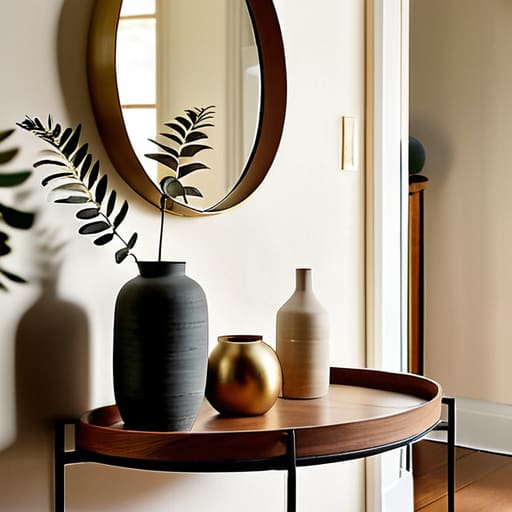
Once you’ve tackled the clutter, it’s time to think about how your space actually feels. To me, a home should be a sanctuary, not a source of stress. When I was working in finance, I used to come home to a pile of mail and scattered keys, and honestly, it felt like my mental overhead was just too high. That’s why I’m such a big advocate for integrating entryway decor and functionality into one cohesive design. You don’t need a massive foyer to make an impact; even a slim console table or a beautiful mirror can act as a visual reset button, signaling to your brain that you’ve officially transitioned from the hustle of the world to the peace of your home.
I also love the idea of creating a dedicated “landing strip” to keep your daily life running smoothly. If you’re tight on square footage, look into entryway furniture for small spaces, like a narrow bench that offers seating while hiding away seasonal footwear. Adding a small tray for keys or a stylish basket for umbrellas might seem minor, but these little touches prevent that “chaotic morning” feeling, allowing you to step out the door with confidence and intention.
My Secret Ingredients for a High-Functioning Entryway
- Implement a “One-In, One-Out” Policy: Just like managing a tight budget or a pantry full of expensive spices, you can’t let clutter accumulate indefinitely. If you bring home a new pair of statement boots, it might be time to donate those old sneakers that have seen better days.
- The “Landing Strip” Strategy: Designate a specific, beautiful tray or bowl for your daily essentials—keys, wallet, and sunglasses. Think of it as your financial audit for the day; if you know exactly where your most important “assets” are, you’ll save so much mental energy during the morning rush.
- Vertical Real Estate is Your Best Friend: When floor space is limited, look up! Installing stylish wall hooks or a slim floating shelf allows you to clear the visual noise from the ground, making even the tiniest foyer feel like a spacious, high-end boutique.
- Curate a “Transition Zone” for Bags and Coats: Avoid the dreaded “chair pile” by assigning a dedicated home for every outer layer. Whether it’s a sleek coat rack or a set of cubbies, giving your items a permanent residence prevents that feeling of chaos the moment you walk through the door.
- Seasonal Rotation for Mental Clarity: Every few months, I like to “audit” my entryway just like I used to audit quarterly reports. Swap out heavy winter scarves for lightweight summer totes; keeping the space aligned with the current season keeps your environment feeling fresh, intentional, and ready for whatever life throws at you.
The Secret Sauce to a Seamless Entryway
Treat your entryway like a well-managed budget—prioritize high-impact essentials like hooks and bins to prevent “clutter inflation” from taking over your home.
Find the sweet spot between aesthetic and utility by choosing decor that feels like a warm hug but functions like a professional workstation.
Remember that a clear path from the front door is the ultimate mental appetizer; by organizing this transition zone, you’re setting the stage for a calm, focused, and productive day.
The Psychology of the First Step
“Think of your entryway as the delicious appetizer to your entire home; if it’s cluttered and chaotic, you’re starting your evening on the wrong note. Organizing this space isn’t just about finding a hook for your keys—it’s about creating a mental buffer zone that allows you to shed the stress of the workday and transition gracefully into the life you actually want to live.”
Rachel Anderson
Designing Your Daily Transition
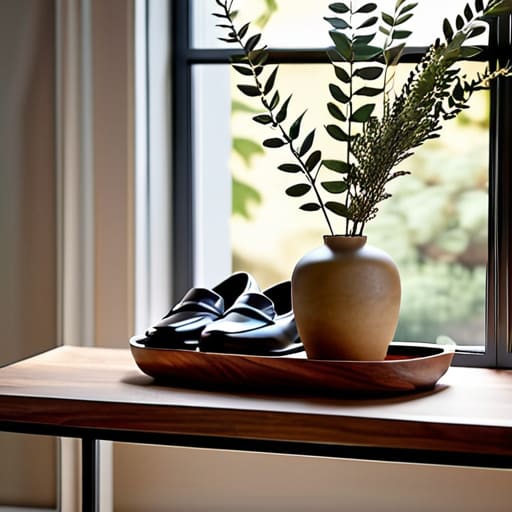
At the end of the day, organizing your entryway isn’t just about finding a designated spot for your keys or clearing a pile of shoes; it’s about creating a functional buffer zone between the chaos of the outside world and the sanctuary of your home. By implementing those small-space hacks we discussed and choosing decor that actually serves a purpose, you are essentially performing a strategic investment in your daily mental clarity. Just like a well-balanced recipe requires the right ratio of ingredients, a well-organized entryway requires the right blend of utility and beauty to truly work for your lifestyle.
As you move forward with these changes, remember that your home should be a reflection of the life you are actively building. Transitioning from a high-stress environment to a peaceful space is a skill, and your entryway is the perfect place to practice that intentionality. Don’t feel like you have to achieve perfection overnight—start with one small drawer or one sturdy hook and build from there. Life is far too short to spend your precious minutes after work digging through clutter. Embrace the process, make room for what matters, and let your home be the delicious, calm starting point for every new adventure.
Frequently Asked Questions
How can I keep my entryway organized when I have a busy family with lots of shoes and bags coming through the door?
When life gets chaotic—and believe me, between managing a kitchen and a household, I get it—you need a system that works on autopilot. Think of it like mise en place for your home: everything needs a designated spot. I swear by large, labeled baskets for each family member to toss their bags into, and a sturdy cubby system for shoes. It’s not about perfection; it’s about creating a streamlined flow so the clutter doesn’t steal your peace.
Are there ways to make a functional entryway look high-end without spending a fortune on designer furniture?
Honestly, you don’t need a designer budget to get that luxury feel. Think of it like a well-plated dish: it’s all about the presentation. I love using high-quality textures—like a marble tray for your keys or a heavy ceramic bowl for mail—to add instant sophistication. Swap out cheap hardware for brushed brass, and add a large, framed mirror to bounce light around. It’s those intentional, curated details that create that high-end, polished vibe.
How do I balance the need for storage with the desire to keep my space looking minimalist and clutter-free?
Think of it like a well-balanced recipe: you need the heavy hitters for substance, but too much ruins the presentation. I love using “hidden” storage—think sleek, closed cabinetry or a stylish bench with built-in cubbies. It keeps the visual noise down while tucking away the chaos. If you can’t hide it, curate it! Only display items that are both functional and beautiful, like a single vintage ceramic bowl for your keys.