I still remember sitting in my tiny San Francisco apartment, heart hammering against my ribs, staring at a glitchy Zoom screen while trying to explain a complex financial model. I had all the “expert” advice tucked away in a notebook, but none of it accounted for my cat knocking over a glass of water or my Wi-Fi deciding to take an unscheduled nap right as I hit the big pitch. Most of the remote job interview tips you find online feel like they were written by people who have never actually had to balance a professional presentation with the beautiful chaos of working from home. They focus so much on the technicalities that they forget you’re a human being trying to navigate a digital landscape.
I’m not here to give you a checklist of robotic platitudes or tell you to buy a professional studio setup. Instead, I want to share the real, battle-tested strategies I used to transition from the high-stakes world of finance to the creative freedom of the culinary industry. We’re going to dive into practical, no-nonsense advice that helps you show up as your best self, ensuring you land a role that fuels your passion without sacrificing your sanity.
Table of Contents
Mastering Your Remote Interview Technical Setup
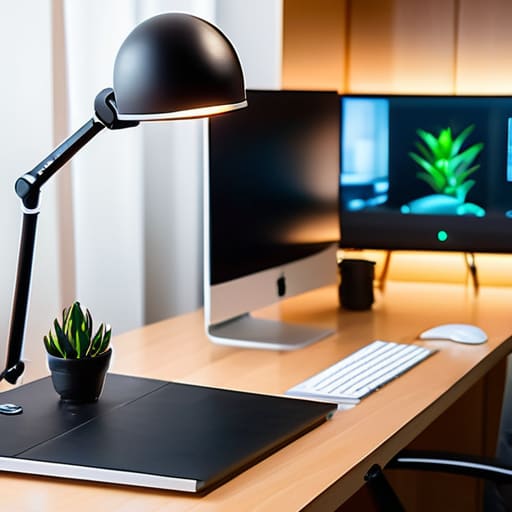
Before you dive into the deep end of behavioral questions, let’s talk about the invisible foundation of a great meeting: your tech. I remember my first big pivot from finance to food; I was so nervous about my business plan that I completely overlooked my hardware. I ended up in a glitchy, shadow-filled video call that felt more like a horror movie than a professional pitch. To avoid that, a solid remote interview technical setup starts with the basics. Spend twenty minutes the day before testing your webcam and microphone to ensure you aren’t battling audio lag or a grainy feed.
Beyond just the hardware, think about your environment as part of your personal brand. You don’t need a studio, but a clean, intentional professional background for video calls goes a long way in showing you’re prepared. I always suggest finding a spot with natural light facing you—avoiding that harsh overhead glow—to keep things looking bright and approachable. When your tech is seamless, you can stop worrying about the “how” and finally focus on the “what,” which is the most important part of landing that dream role.
Perfecting Video Call Lighting for Interviews
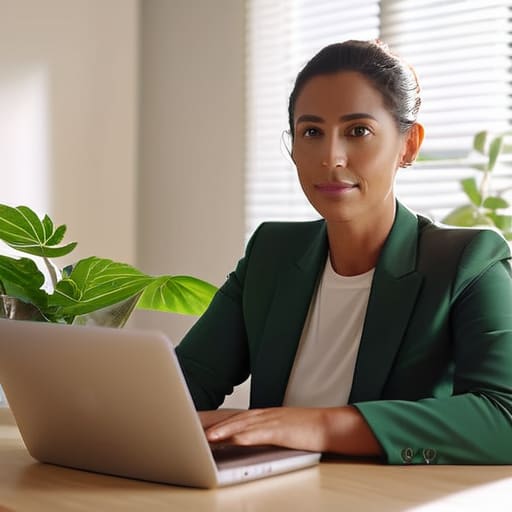
Here is the tricky part: you can have the most impressive resume in the world, but if you look like a mysterious silhouette in a dark room, you’re already fighting an uphill battle. I remember my first big remote pitch; I was so focused on my spreadsheets that I forgot I was sitting in front of a massive window behind me. I ended up looking like a witness in a crime documentary! When it comes to video call lighting for interviews, the golden rule is to always face your light source. If you can, position yourself facing a window for that soft, natural glow—it’s much more flattering than any expensive ring light.
If you’re interviewing later in the evening, avoid harsh overhead lights that cast deep shadows under your eyes. Instead, try placing a small desk lamp behind your monitor to bounce light toward your face. This simple tweak is a huge part of a solid remote interview technical setup and can actually help with overcoming digital interview anxiety. When you can actually see yourself clearly and feel present in the frame, you naturally project more confidence. It’s all about creating that bright, approachable energy that says you’re ready to hit the ground running.
Beyond the Tech: Nailing the Human Connection from Your Living Room
- Master the art of the “digital eye contact.” It sounds silly, but instead of looking at the person’s face on your screen, try to look directly into your webcam lens when you’re speaking. It creates this subtle, powerful sense of connection that makes the interviewer feel like you’re actually locked in with them, rather than just staring at a monitor.
- Curate a “professional-ish” backdrop that doesn’t scream “I’m working from my bed.” You don’t need a minimalist studio, but a tidy bookshelf or a simple, clean wall works wonders. Think of it like plating a dish—you want the focus to be on the main course (you!), not a cluttered garnish of laundry piles or messy kitchen counters in the background.
- Prepare a “cheat sheet” of your best stories, but keep it subtle. One of the perks of a remote setup is that you can have a few sticky notes tucked just below your camera line. Use them to jot down those specific metrics or “star moment” anecdotes you want to hit, so you never go blank when they ask about a time you handled a crisis.
- Dress for the job you want, even if you’re wearing your most comfortable linen trousers underneath. There’s a psychological shift that happens when you put on a structured blazer or a crisp shirt; it signals to your brain—and your interviewer—that you are in “professional mode,” not “Sunday brunch mode.”
- Practice the “intentional pause.” In a digital space, audio can lag or people tend to accidentally interrupt each other. After you finish an answer, give it a beat of silence. It shows confidence and ensures you aren’t stepping on their toes, giving the interviewer space to actually process your brilliance before moving to the next question.
The Secret Sauce to Nailing the Virtual Meeting
Treat your tech setup like a well-organized pantry; having everything—from your high-speed internet to your backup hotspot—ready before you start prevents mid-interview chaos and keeps you focused on the conversation.
Lighting isn’t just about looking good; it’s about clarity. Position yourself so you’re facing a natural light source to ensure your expressions are visible, helping you build that crucial human connection through a screen.
Remember that technical mastery is just the foundation. Once your lighting and gear are dialed in, you can stop worrying about the “how” and start focusing on the “who”—showing up as your authentic, confident self.
The Mindset Behind the Screen
“Think of a remote interview less like a high-stakes interrogation and more like a curated tasting menu; it’s your chance to present the best versions of your skills, your personality, and your professional flavor, all from the comfort of your own kitchen table.”
Rachel Anderson
Bringing It All Home
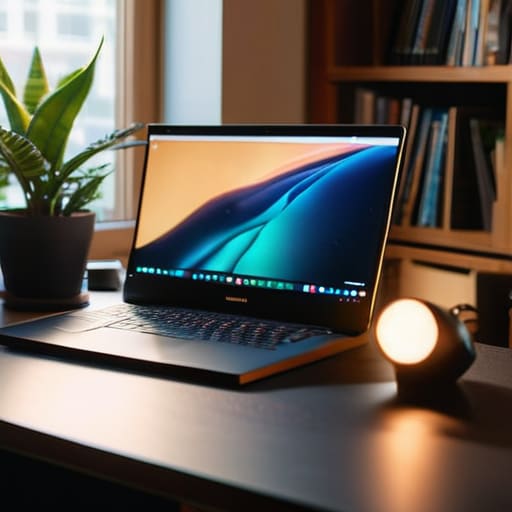
At the end of the day, nailing a remote interview isn’t just about having a fancy ring light or a flawless high-speed connection—though, believe me, those things definitely help take the edge off. It’s about creating an environment where you can actually show up as your best self without the technical hiccups distracting you from your message. By mastering your lighting, securing your tech setup, and curating a professional backdrop, you’re essentially setting the stage for a seamless performance. Think of it like prepping your mise en place before a big dinner service; when the foundation is solid, you can stop worrying about the tools and start focusing on the art of the conversation.
Transitioning from the structured world of finance to the unpredictable life of an entrepreneur taught me that preparation is the bridge between anxiety and confidence. Whether you’re interviewing for a corporate role or pitching a dream startup, remember that these digital meetings are simply opportunities to connect and share your unique value. Don’t let the screen intimidate you; instead, use it as a canvas to showcase your passion and professionalism. You’ve done the work, you’ve set the stage, and now it’s time to go out there and claim the career you deserve. You’ve got this!
Frequently Asked Questions
How can I keep my energy levels up and stay engaging on camera if the interview feels like it's dragging on?
We’ve all been there—staring at a screen for an hour while your brain starts to fog up. When that mid-interview slump hits, I swear by a quick “sensory reset.” Keep a glass of ice water nearby for a refreshing sip, or even a tiny piece of dark chocolate to boost your mood. Most importantly, remember to smile physically; it actually tricks your brain into feeling more energized and keeps that warmth radiating through the lens.
What’s the best way to handle a sudden technical glitch or a Wi-Fi drop without losing my professional cool?
We’ve all been there—you’re mid-sentence, making a great point, and suddenly, you’re staring at a frozen screen. It’s terrifying, but here’s the secret: don’t panic. If your Wi-Fi drops, immediately switch to your phone’s data to send a quick, calm email or message. Acknowledge the glitch and offer to jump back on or finish via phone. Treating it like a minor kitchen mishap—staying calm and pivoting quickly—actually shows incredible leadership and composure.
How do I dress for a remote interview to strike that perfect balance between "polished professional" and "comfortable enough to actually breathe"?
Think of your interview outfit like a perfectly balanced fusion dish: you want the structure of a professional classic with the comfort of something you’d actually wear to a brunch meeting. I always opt for a crisp, high-quality knit or a structured blazer over a soft tee. It says “I’m serious about this role,” but won’t leave you feeling suffocated when the nerves kick in. Aim for “smart casual” from the waist up—it keeps your confidence high and your stress low.