I still remember the suffocating feeling of my first tiny studio in San Francisco, back when I was grinding away as a financial analyst. I’d come home after a twelve-hour day, only to feel like the walls were physically closing in on me, making it impossible to even breathe, let alone relax. I remember scrolling through interior design blogs, feeling more frustrated than inspired, because every single “expert” suggested I spend thousands on minimalist, designer furniture just to find out how to make a small room look bigger. It felt like a scam—as if you needed a massive bank account just to enjoy a sense of personal space.
I’m not here to sell you on expensive, trendy aesthetics that look great on Pinterest but fail in real life. Instead, I want to share the practical, budget-conscious strategies I used to transform my cramped quarters into a sanctuary that actually felt expansive. We’re going to dive into the real-world tricks—from clever lighting to strategic layouts—that truly work. My goal is to show you that you don’t need a renovation budget to master how to make a small room look bigger and, more importantly, how to make it feel like home.
Table of Contents
Using Mirrors to Expand Space and Light
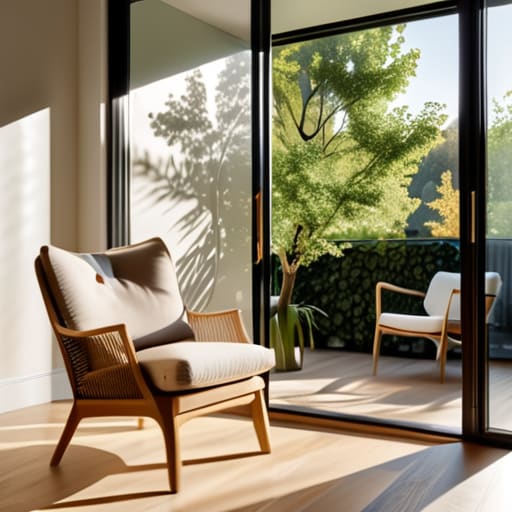
If there is one thing my years of analyzing market trends and my time navigating cramped San Francisco studios have taught me, it’s that perception is everything. When it comes to using mirrors to expand space, you aren’t just decorating; you’re essentially hacking your environment. I love placing a large, floor-length mirror directly across from a window. It’s a total game-changer because it catches the natural light and bounces it deep into the room, making even the dimmest corner feel alive.
Don’t feel like you need to commit to one massive, expensive piece, either. Sometimes, a curated gallery wall of smaller, vintage mirrors—much like my beloved collection of old cookbooks—can add incredible depth without overwhelming the eye. This is one of those interior design tricks for small rooms that feels almost like magic. By breaking up the flat surface of your walls, you create the illusion of a much more complex, layered room. It’s all about tricking the brain into seeing more “room” than actually exists, allowing your space to breathe alongside your ambitions.
Light Color Palettes for Small Apartments
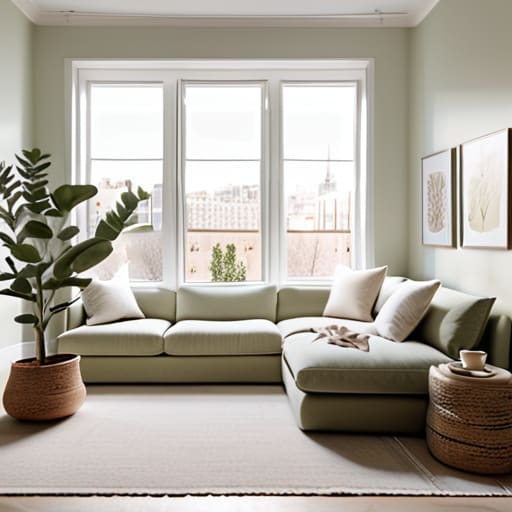
When I first moved into my tiny studio after leaving the finance world, I quickly realized that the walls felt like they were closing in on me. It was a bit of a wake-up call! One of the most effective interior design tricks for small rooms that I swear by is leaning heavily into light color palettes for small apartments. Instead of reaching for those moody, dark charcoals I used to love in my corporate office, I opted for soft whites, creamy oatmeals, and very pale sages. These hues act like a sponge for natural light, bouncing it around the room rather than absorbing it, which instantly makes the boundaries of the room feel less restrictive.
The trick isn’t just about picking one color, though; it’s about creating a sense of flow. By keeping the walls, trim, and even large pieces of furniture in a similar tonal family, you’re essentially minimizing visual clutter. When your eyes don’t hit a sharp color contrast every few inches, the space feels much more continuous and expansive. It’s all about creating a cohesive, airy backdrop that lets your personality—and your vintage cookbook collection!—really shine without feeling overwhelmed.
Maximizing Every Square Inch Without Losing Your Sanity
- Think vertically with your storage. When floor space is at a premium, look up! Installing floating shelves or tall, slender bookcases draws the eye toward the ceiling and keeps your precious floor area clear for walking.
- Choose furniture with “legs.” Instead of heavy, solid-to-the-floor sofas that act like visual anchors, opt for pieces with tapered legs. Being able to see the floor underneath your furniture tricks your brain into thinking there’s more open space than there actually is.
- Embrace the “less is more” philosophy with your decor. It’s tempting to fill every corner with cute trinkets, but in a small room, clutter is the ultimate space-killer. I like to follow the “one in, one out” rule to keep my surfaces feeling breezy rather than cramped.
- Use multi-functional pieces that work as hard as a high-yield savings account. A coffee table with hidden storage or an ottoman that doubles as extra seating is a game-changer for making a tiny studio feel like a functional home.
- Don’t forget about your window treatments. Hanging your curtain rods higher and wider than the actual window frame makes your ceilings feel loftier and lets in much more natural light, which instantly breathes life into a tight space.
Small Changes, Big Impact: My Top Takeaways
Don’t underestimate the power of light and reflection; using mirrors and a bright color palette can trick the eye into feeling much more breathing room than you actually have.
Think of your space like a well-managed budget—every piece of furniture needs to earn its keep, so prioritize multi-functional items that add value without adding clutter.
Remember that creating a sense of space isn’t just about square footage, it’s about intentionality; when you curate your environment, you make room for the things (and the hobbies!) that truly fuel your soul.
## Designing for Ambition, Not Just Square Footage
“Just like managing a tight budget or perfecting a complex fusion recipe, making a small space work is all about intentionality—it’s not about how much room you have, but how cleverly you use every single inch to create a life that feels expansive.”
Rachel Anderson
Making Room for Your Dreams
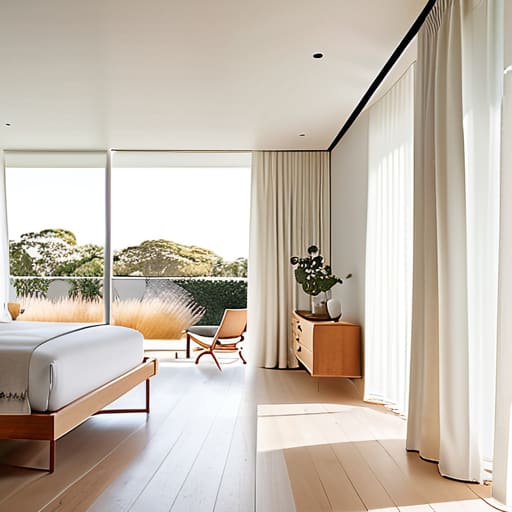
At the end of the day, transforming a cramped apartment into a sanctuary isn’t about having a massive square footage; it’s about the intentional choices you make with the space you actually have. By strategically using mirrors to bounce light around, opting for a breezy, light color palette, and being mindful of how furniture sits in a room, you can completely shift the energy of your home. It’s a lot like my transition from finance to food—it’s not about having an endless supply of resources, but rather about optimizing what you have to create something truly beautiful and functional. When you master these small spatial hacks, you stop feeling boxed in and start feeling like you finally have the room to breathe.
As you start rearranging your bookshelves or picking out that perfect pale sage paint, remember that your environment is a direct reflection of your mindset. A cluttered, tight space can often make our ambitions feel just as constricted, but a well-designed home provides the mental clarity we need to chase our biggest goals. Don’t let a tiny floor plan ever limit the scale of your life or your creativity. Whether you are scaling a sourdough recipe or scaling your career, design your world to support the person you are becoming. You deserve a space that feels as expansive and bright as your future.
Frequently Asked Questions
How can I incorporate more of my personality and decor without making the room feel cluttered and cramped?
This is where the real fun begins! I used to think “minimalism” meant living in a white box, but my vintage cookbook collection taught me otherwise. The trick is to curate, not accumulate. Instead of scattering knick-knacks everywhere, try grouping your favorite pieces on a single tray or a dedicated shelf. Think of it like a well-balanced recipe: you want bold flavors (your personality!) without overwhelming the palate (the room’s flow).
Are there specific types of furniture that work best for tight spaces, or should I focus on multi-functional pieces?
Honestly, it’s a bit of both, but if I had to pick a winner, I’d go with multi-functional pieces every single time. Think of it like a well-managed investment portfolio—you want every asset to work twice as hard for you! A coffee table with hidden storage or a sleek desk that doubles as a dining surface saves so much precious square footage. It’s all about maximizing utility without sacrificing that cozy, curated feel we love.
I love cozy textures, but will adding rugs and throws make my small apartment feel even smaller?
I totally get that! When you’re working with limited square footage, there’s a fine line between “cozy sanctuary” and “cluttered cave.” But here’s the good news: textures actually add depth, which can make a room feel more expensive and layered rather than cramped. The trick is to go for scale. Instead of five tiny throw pillows, try one large, chunky knit blanket and a single, well-placed rug to anchor the space. Quality over quantity, always!