I was standing in my tiny San Francisco kitchen, staring at a mountain of vegetable scraps from my latest fusion experiment, when it hit me: I was literally throwing away potential gold. For a long time, I thought that learning how to make a compost bin was some high-maintenance, smelly hobby reserved for people with massive suburban backyards and endless free time. I was convinced it would be a chaotic, expensive mess that would ultimately drain my wallet and my sanity. But after digging through some vintage gardening manuals and applying a bit of that old analytical rigor from my finance days, I realized the truth is much simpler. Composting isn’t about perfection; it’s about smart resource management right in your own backyard.
In this guide, I’m stripping away the fluff and the complicated jargon to show you exactly how to make a compost bin that actually works for your lifestyle. Whether you’re working with a small urban patio or a sprawling garden, I’ll walk you through the most cost-effective, low-stress methods to turn your kitchen waste into nutrient-rich soil. We’re going to focus on practical setups that respect both your budget and your time, ensuring you can nourish your plants without breaking the bank.
Table of Contents
- Step-by-Step Instructions
- Choosing Best Materials for Backyard Composting Bliss
- Mastering Aeration Methods for Compost Bins Success
- Pro-Tips for a Goldmine of Soil: My Secret Sauce for Composting Success
- Small Steps, Big Returns: My Top Lessons for Your Composting Journey
- The ROI of a Little Dirt
- Turning Scraps into Gold
- Frequently Asked Questions
Guide Overview
Tools & Supplies
- Drill with drill bits for aeration holes
- Handsaw for cutting wood or plastic
- Plastic storage bin (approx. 18-30 gallons)
- Drill bits (1/4 inch to 1/2 inch)
- Hardware cloth or wire mesh (optional for lining)
- Screws or fasteners (if using a wooden frame)
Step-by-Step Instructions
- 1. First things first, you need to decide on your “vessel.” Since I’m always thinking about the bottom line, I love a good DIY approach that doesn’t break the bank. You can repurpose an old plastic storage bin by drilling small air holes in the sides, or if you have a bit more space in your backyard, a simple wooden pallet structure works wonders. Just make sure whatever you choose is sturdy enough to hold the weight of all those veggie scraps!
- 2. Once your bin is ready, it’s time to build the foundation. You don’t want your compost sitting in a puddle of sludge, which is a total recipe for disaster. Start by laying down a thick layer of small twigs or dried stalks at the very bottom. This creates a crucial airflow layer that helps oxygen reach the bottom of the pile, preventing that funky, unpleasant smell we all want to avoid.
- 3. Now, let’s talk about the “Green vs. Brown” balance—this is where my analytical side really kicks in. Think of it like a balanced budget: you need your nitrogen-rich “Greens” (like coffee grounds, fruit peels, and fresh grass clippings) and your carbon-rich “Browns” (like dried leaves, shredded cardboard, or even old newspaper). Aim for a ratio that is roughly three parts brown to one part green to keep the decomposition process running smoothly.
- 4. As you start layering your materials, try to keep everything relatively small. I’ve found that if you take a moment to chop up your larger vegetable scraps or tear up your cardboard, they break down significantly faster. It’s a tiny bit of extra effort upfront, but it pays off massively when you’re eager to see that “black gold” appearing in your bin.
- 5. Every so often, you’ll need to give your compost a little love and attention. Grab a garden fork or even a sturdy shovel and turn the pile once every week or two. This process, known as aeration, is what keeps the microbes happy and productive. Think of it as investing time into your soil to ensure a high return on your garden’s health later this season.
- 6. Keep an eye on the moisture levels—your compost should feel like a wrung-out sponge. If it’s too dry, the decomposition will stall out; if it’s too wet, it might start to smell. If you notice it’s looking a bit parched, just sprinkle a little water over it, or add more “greens” to help retain that much-needed humidity.
- 7. Finally, be patient and let the magic happen. Depending on the weather and how often you turn it, you might see finished, rich compost in anywhere from a few months to a year. When it looks dark, crumbly, and smells like a fresh forest floor, you’ve officially turned your kitchen waste into a valuable resource that will nourish your plants and your soul.
Choosing Best Materials for Backyard Composting Bliss
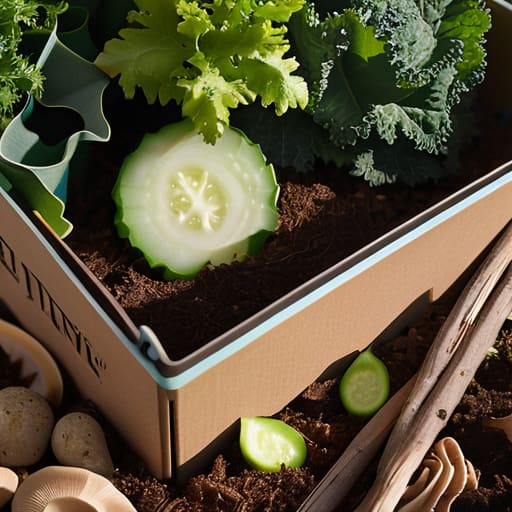
When I first transitioned from analyzing spreadsheets to managing a kitchen, I realized that efficiency isn’t just about time—it’s about the quality of your inputs. The same goes for your garden. Finding the best materials for backyard composting is a bit like sourcing the perfect ingredients for a fusion dish; you need a balance of “greens” (nitrogen-rich scraps like veggie peels) and “browns” (carbon-rich items like dried leaves or cardboard). If you lean too hard into one side, you’ll end up with a soggy mess rather than that beautiful, earthy soil we’re all dreaming of.
For those just starting out, don’t feel like you need to buy a high-tech setup immediately. I used to think I needed a professional-grade system, but honestly, the most important part of the organic waste decomposition process is simply getting the ratio right. If you’re feeling a little adventurous, you might even look into vermicomposting vs traditional composting to see which fits your lifestyle better—worms are essentially tiny, unpaid kitchen assistants! Just remember to keep an eye on your airflow; a little bit of oxygen goes a long way in keeping things smelling fresh.
Mastering Aeration Methods for Compost Bins Success
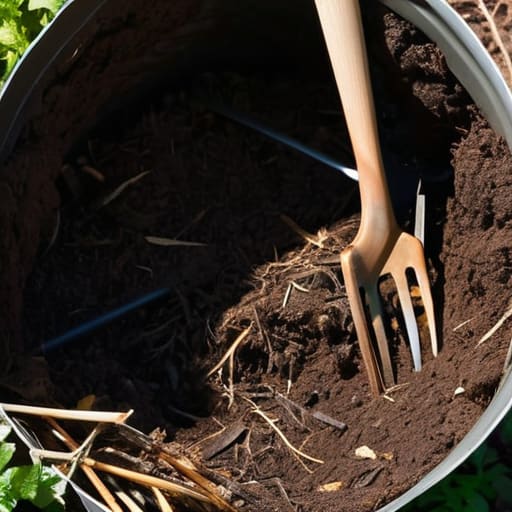
Now that you’ve gathered your materials, let’s talk about the one thing that often gets overlooked but is absolutely vital: breathing room. Think of your compost pile like a sourdough starter; it needs oxygen to thrive. If the pile gets too packed down or soggy, you’ll end up with a smelly, anaerobic mess rather than that beautiful, earthy soil we’re aiming for. Utilizing different aeration methods for compost bins—like using a garden fork to turn the pile once a week—is the secret to speeding up the organic waste decomposition process.
If you’re feeling a bit lazy (trust me, some days I am!), you can actually build air channels directly into your setup. Using a PVC pipe with holes drilled in it or simply layering your brown and green materials more loosely can create natural pathways for air to circulate. It’s one of those simple compost bin maintenance tips that makes a world of difference. By keeping the air flowing, you’re essentially inviting the “good” microbes to the party, ensuring your transition into sustainable living is as smooth as a well-reduced balsamic glaze.
Pro-Tips for a Goldmine of Soil: My Secret Sauce for Composting Success
- Master the “Green and Brown” Ratio: Think of this like balancing a budget. You need your “greens” (nitrogen-rich scraps like veggie peels) and your “browns” (carbon-rich materials like dried leaves) in a steady equilibrium to keep the decomposition process from getting too funky or smelling like a landfill.
- Watch Your Moisture Levels Like a Hawk: Your compost pile should feel like a wrung-out sponge. If it’s too bone-dry, the microbes go dormant; if it’s too soggy, you’ll end up with a smelly, anaerobic mess that no garden could love.
- Chop it Down to Speed Things Up: Just like I learned in my finance days that small, incremental changes lead to big results, smaller pieces of organic matter mean more surface area for bacteria to work their magic, significantly accelerating your compost production.
- Don’t Invite Unwanted Guests: To keep your backyard bliss from turning into a pest problem, steer clear of meat, dairy, or oily scraps. Stick to the plant-based goodness to ensure your bin stays a clean, efficient little ecosystem.
- Give it a Weekly “Check-In”: Don’t just set it and forget it! A quick five-minute stir once a week keeps oxygen flowing and prevents the pile from compacting, ensuring your investment of time and effort actually pays off in rich, dark soil.
Small Steps, Big Returns: My Top Lessons for Your Composting Journey
Don’t let the “perfect” setup stop you from starting; whether it’s a high-end bin or a simple DIY wooden crate, the magic happens in the decomposition, not the price tag.
Think of your compost like a balanced budget—you need the right mix of “greens” for energy and “browns” for stability to keep your bin from becoming a financial (or literal) mess.
Patience is your best friend in both entrepreneurship and composting; give your microbes the time and oxygen they need to turn kitchen scraps into culinary gold, and the results will be well worth the wait.
The ROI of a Little Dirt
“Think of composting not just as a way to manage waste, but as the ultimate high-yield investment: you’re taking something with zero market value and, with a little patience and the right setup, transforming it into black gold that nourishes both your garden and your soul.”
Rachel Anderson
Turning Scraps into Gold
As we wrap up this little DIY project, take a second to look at what you’ve actually accomplished. You’ve gone from having a pile of kitchen scraps to building a functional system using the right materials, mastering the art of aeration, and setting yourself up for long-term success. Remember, composting isn’t about being perfect from day one; it’s about finding that sweet spot between your green and brown ratios and keeping the air flowing. When you get these fundamentals right, you aren’t just managing waste—you are essentially creating black gold for your garden that will pay dividends for years to come.
Transitioning from a spreadsheet-driven life to one that’s a bit more grounded and earthy has taught me that the best investments aren’t always found on a stock exchange. Sometimes, the most rewarding returns come from the very soil beneath our feet. Building this compost bin is a beautiful metaphor for the bigger shifts we make in our lives: it requires patience, a bit of messy trial and error, and the courage to nurture something new. So, don’t be afraid to get your hands a little dirty. Whether you’re pivoting your career or just starting a backyard garden, trust the process and enjoy the growth.
Frequently Asked Questions
How do I know if my compost pile is actually working or if it's just sitting there?
Think of your compost pile like a slow-cooking stew; you have to check the seasoning to know it’s working! If it’s heating up in the center, that’s a fantastic sign of microbial magic at work. You’ll also notice a rich, earthy scent—not a foul one, which usually means it needs more air. If it looks like dark, crumbly soil and you can no longer recognize the original scraps, you’ve hit the jackpot!
Will building a compost bin in my backyard attract unwanted pests or create bad smells in my garden?
I totally get the hesitation—the last thing anyone wants is a smelly backyard or a neighborhood critter party! The secret is all in the balance. If you keep your “greens” (nitrogen) and “browns” (carbon) in check and avoid adding meat or dairy, those odors shouldn’t happen. Just think of it like a recipe: the right ratio keeps everything smelling earthy and fresh, rather than attracting unwanted guests to your garden.
Is it worth the extra effort to compost at home, or is it more cost-effective to just buy organic fertilizer?
Honestly, looking at this through my old analyst lens, composting is a total win. While organic fertilizer is convenient, it’s a recurring expense that doesn’t give anything back. Composting turns your “waste” into a free, nutrient-dense goldmine for your garden. It’s about shifting from a consumer mindset to a circular one. You’re not just saving money on bags of soil; you’re investing in your land’s long-term health. To me, that ROI is unbeatable.