I remember sitting in my old high-rise office in San Francisco, staring at a spreadsheet of projected returns while a heavy, stale scent of industrial carpet cleaner and recycled air settled in my lungs. I felt completely suffocated, and it wasn’t just the workload; it was the realization that the very space I spent forty hours a week in felt toxic. People often think that figuring out how to improve indoor air quality requires a massive investment in high-tech, overpriced gadgets that promise to scrub the atmosphere clean with a single button press. But as someone who spent years analyzing cost-benefit ratios before I ever picked up a chef’s knife, I can tell you that most of those expensive “miracle” purifiers are just marketing fluff designed to drain your savings account.
I’m not here to sell you on a lifestyle of expensive air filters or complicated mechanical systems that eat up your monthly budget. Instead, I want to share the practical, high-impact strategies I’ve learned for creating a home environment that feels as fresh and vibrant as a farmers’ market in spring. We’re going to dive into no-nonsense, budget-friendly ways to clear the air, from smart ventilation habits to choosing the right natural elements. My goal is to help you build a sanctuary where you can breathe deeply, cook boldly, and truly thrive.
Table of Contents
- Identifying Common Indoor Air Pollutants Hiding in Your Sanctuary
- Natural Ways to Clean Indoor Air for Total Wellness
- Smart Investments for Your Home’s Atmosphere: 5 Proactive Steps to Breathe Easier
- Small Shifts for a Breathable, Balanced Life
- The Secret Ingredient to a Productive Life
- Breathing Easy: Your Path to a Vibrant Home
- Frequently Asked Questions
Identifying Common Indoor Air Pollutants Hiding in Your Sanctuary

When I first traded my spreadsheets for sourdough starters, I realized that my kitchen wasn’t just a place for culinary experiments—it was a living, breathing ecosystem. Just like a complex recipe, if one ingredient is off, the whole thing suffers. The same goes for your home. We often overlook the common indoor air pollutants that settle into our rugs and upholstery, acting like invisible, uninvited guests at a dinner party. From the lingering scents of heavy cleaning products to the fine dust that dances in a sunbeam, these elements can subtly drain your energy and disrupt your focus.
I’ve learned that part of the secret to a vibrant lifestyle is being mindful of how our environment affects our well-being. For instance, I used to think a damp basement was just a minor nuisance, but I quickly discovered the significant impact of humidity on air quality and how it can foster unwanted mold. Whether it’s pet dander or microscopic particles from your cooking oils, identifying these culprits is the first step toward reclaiming your sanctuary. Once we know what’s cluttering our air, we can start making intentional, delicious changes to our daily routines.
Natural Ways to Clean Indoor Air for Total Wellness
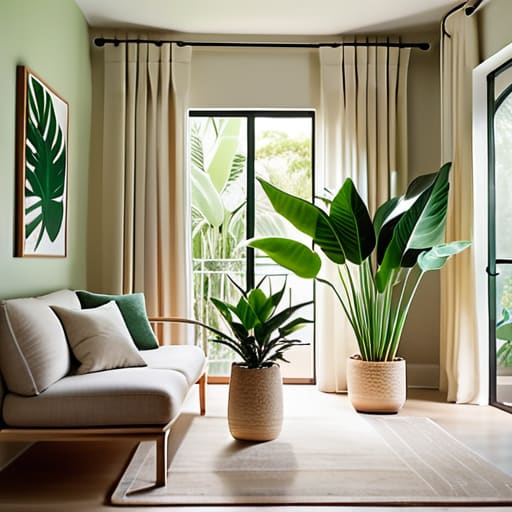
When I first transitioned from the high-pressure world of finance to my kitchen studio, I realized that my environment dictates my productivity just as much as my budget dictates my business growth. One of my favorite natural ways to clean indoor air is through the strategic use of houseplants. Much like a well-balanced portfolio, a diverse collection of greenery—think Snake Plants or Peace Lilies—can act as a living filtration system, helping with reducing household allergens and absorbing subtle toxins. It’s a low-cost, high-reward investment in your personal wellness.
However, even the most beautiful botanical collection needs a bit of mechanical support. If you’re dealing with persistent dust or pet dander, I highly recommend looking into the HEPA air purifier benefits to keep your workspace pristine. Additionally, don’t underestimate the power of simple ventilation techniques for homes. Just as I always crack a window to let the scent of a new spice blend circulate, opening your windows for even fifteen minutes a day can flush out stale air and refresh your entire creative sanctuary.
Smart Investments for Your Home’s Atmosphere: 5 Proactive Steps to Breathe Easier
- Think of air purification like a high-yield investment; upgrading to a HEPA-certified air purifier is a front-loaded cost that pays massive dividends in your long-term health and daily energy levels.
- Just like you wouldn’t use expired spices in a signature dish, don’t let stale air linger—open your windows for at least ten minutes a day to create a natural “ventilation refresh” that flushes out toxins.
- Audit your cleaning supplies with the same scrutiny you’d use for a quarterly budget; swap out those harsh, synthetic aerosols for eco-friendly, non-toxic alternatives to prevent chemical buildup in your sanctuary.
- Manage your indoor humidity like you manage a delicate soufflé—keep it steady. Using a dehumidifier prevents mold growth, which is essentially the “bad debt” of your indoor air quality.
- Don’t underestimate the power of a “green” portfolio; incorporating specific indoor plants like Snake Plants or Peace Lilies acts as a beautiful, low-maintenance way to naturally filter out common household pollutants.
Small Shifts for a Breathable, Balanced Life
Treat your indoor air like a high-quality ingredient; by proactively removing pollutants and adding natural purifiers, you’re investing in the long-term health of your most important workspace and sanctuary.
You don’t need a massive budget to see results—start with simple, cost-effective habits like better ventilation and strategic greenery to create an environment that fuels both your focus and your well-being.
Think of air quality as part of your holistic “success toolkit”—when you breathe easier, you think clearer, making it much simpler to balance your professional ambitions with a vibrant, healthy lifestyle.
The Secret Ingredient to a Productive Life
“Just like a delicate reduction requires the right temperature and a clean kitchen to truly shine, your environment needs fresh, clean air to fuel your focus and your passion. You can’t expect to cook up a brilliant life if you’re breathing in the stagnant leftovers of yesterday.”
Rachel Anderson
Breathing Easy: Your Path to a Vibrant Home
At the end of the day, improving your indoor air quality isn’t about achieving some impossible standard of sterile perfection; it’s about making intentional, manageable shifts. We’ve talked about everything from identifying those sneaky pollutants hiding in your cleaning supplies to embracing the natural, green magic of houseplants. Think of it like fine-tuning a complex recipe: you don’t have to change every single ingredient at once, but by swapping out one harsh chemical for a natural alternative or adding a bit more ventilation, you’re fundamentally improving the final result. Taking these steps ensures that your home remains a true sanctuary where you can focus on what matters most.
As someone who spent years staring at spreadsheets before finding my joy in the kitchen, I know how easy it is to get caught up in the “all or nothing” mentality. Whether you are optimizing your workspace for better productivity or prepping a multi-course meal, your environment plays a massive role in how you show up for your life. Don’t let the overwhelm stop you from starting. Invest in your well-being just as carefully as you would invest in a new business venture or a high-quality cast iron skillet. You deserve a space that feels as fresh and nourishing as a perfectly balanced meal, so take that first breath and start building your vibrant life today.
Frequently Asked Questions
Are there specific types of indoor plants that are actually effective at filtering toxins, or is that mostly just a myth?
It’s a bit of both! While the idea that a single fern can replace a high-tech air purifier is a bit of a stretch, it’s definitely not just a myth. Think of it like seasoning a dish: a little goes a long way. NASA’s studies showed that plants like Snake Plants and Peace Lilies are real powerhouses at absorbing toxins like benzene. They won’t fix everything overnight, but they’re a beautiful, low-cost investment in your home’s wellness.
How much of a dent will high-quality air purifiers make in my monthly budget, and are they worth the investment compared to just opening the windows?
Think of an air purifier like a high-end espresso machine: it’s an upfront investment for a daily upgrade in quality. You’re looking at roughly $15–$30 a month in electricity and filter replacements. While opening windows is free and great for a quick refresh, it’s a gamble with pollen or smog. For consistent, filtered air that keeps you focused and healthy, a good purifier is worth every penny of that “subscription” cost.
Since I spend a lot of time cooking, which kitchen habits or appliances are the biggest culprits for bringing unwanted smells and pollutants into my living space?
As someone who spends more time in the kitchen than my actual living room, I totally get this! High-heat cooking—think searing steaks or frying spices—is a major culprit, releasing fine particles and nitrogen dioxide right into your space. Even your toaster can release tiny amounts of smoke. My best advice? Always use your vent hood, and if you can, crack a window. Think of it as “venting” your kitchen’s budget—it’s all about managing the flow!