I was right in the middle of plating a delicate saffron risotto—the kind of dish that requires absolute, meditative focus—when that piercing, metallic screech echoed through my kitchen for the tenth time that morning. It’s funny; I spent years in financial analysis where everything was about predictable patterns and mitigating risk, but nothing prepared me for the sheer annoyance of a rogue hinge ruining my creative flow. You might think you need a professional handyman or an expensive toolkit to solve the problem, but the truth is, learning how to fix a squeaky door is much more about quick, resourceful troubleshooting than it is about a massive home renovation budget.
In this guide, I’m stripping away the fluff to give you the exact, no-nonsense methods I use to keep my workspace peaceful. We aren’t just going to talk about theory; I’ll walk you through the most effective lubricants you likely already have in your pantry and how to apply them without making a mess. Whether you’re looking to save a few dollars or just want to reclaim your focus so you can get back to what truly matters, I promise these steps will have your doors swinging silently in no time.
Table of Contents
- Step-by-Step Instructions
- Smart Solutions Lubricating Door Hinges for a Peaceful Home
- The Right Tools Wd 40 vs Silicone Spray for Doors
- Pro-Tips from My Kitchen to Your Living Room: Mastering the Quiet Fix
- Quick Wins for a Quieter, More Focused Home
- Finding Harmony in the Small Things
- Finding Your Flow Again
- Frequently Asked Questions
Guide Overview
Tools & Supplies
- Screwdriver (to tighten loose hinge screws)
- Microfiber cloth (to wipe away excess lubricant)
- Lubricant (one can of WD-40 Specialist Silicone or Lithium Grease)
- Paper towels (small roll for cleanup)
Step-by-Step Instructions
- 1. First things first, let’s gather our supplies. Just like prepping a mise en place before a big dinner service, you’ll want everything within arm’s reach so you aren’t scrambling halfway through. You’ll need a screwdriver, some lubricant (I personally love a good silicone spray or even some WD-40), and a few paper towels to catch any messy drips.
- 2. Now, let’s identify the culprit. Open and close the door slowly to pinpoint exactly which hinge is making that annoying protest. Once you’ve found the “noisy” one, grab your screwdriver and carefully remove the hinge pin. Pro tip: if the pin is stubborn, give it a light tap with a hammer to nudge it upward—just don’t go overboard and dent the metal!
- 3. Once the pin is out, take a good look at it. Is it covered in old, crusty grime or dark residue? That’s usually the source of the friction. Use a paper towel to wipe the pin clean until it’s shiny again. Think of this like cleaning your favorite copper pan; you want a fresh surface to ensure everything runs smoothly from here on out.
- 4. Now comes the magic part: lubrication. Apply a thin, even layer of your lubricant directly onto the pin. If you’re using an oil-based product, less is definitely more here. You don’t want a puddle of oil running down your doorframe and ruining your aesthetic (or your hardwood floors!), so just aim for a light, consistent coating.
- 5. Slide the pin back into the hinge carefully. As you push it down, wiggle the door slightly to help the lubricant distribute itself evenly through the mechanism. It’s a bit like folding flour into a batter; you want to make sure it’s integrated throughout the entire hinge to prevent that squeak from returning prematurely.
- 6. Give the door a few test swings. If it still sounds a little “crunchy,” you might need to repeat the process or apply a tiny bit more lubricant. If it’s silent, congratulations! You’ve just reclaimed a bit of your kitchen’s peace and quiet. Now, go get back to your cooking without that nagging distraction hanging over your head.
Smart Solutions Lubricating Door Hinges for a Peaceful Home
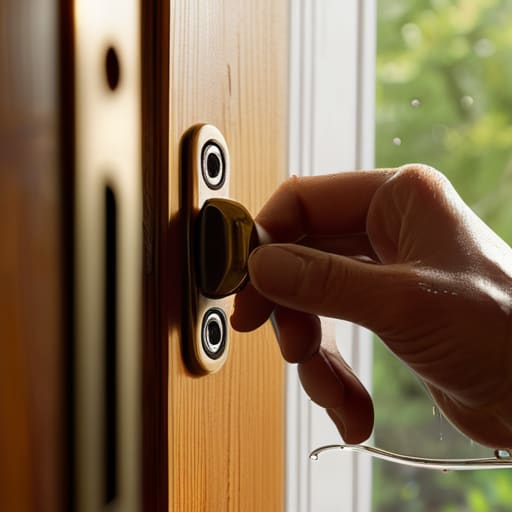
Now, if you’re anything like me, you probably want a solution that’s quick so you can get back to your sourdough starter or your latest spreadsheet. When it comes to lubricating door hinges, the biggest debate I see is the classic WD-40 vs silicone spray for doors. Here’s my take from a place of trial and error: while WD-40 is a lifesaver for loosening a stuck bolt, it’s often a temporary fix for a squeak because it evaporates quickly. For a long-term solution that actually keeps your home feeling serene, I always recommend a silicone-based spray. It creates a much more durable barrier that won’t leave those annoying, oily residue marks on your beautiful woodwork.
If you’re in a pinch and can’t run to the hardware store, don’t panic! You can actually find several household items to stop door squeaks right in your pantry. A little bit of olive oil or even a dab of petroleum jelly can work wonders in a moment of culinary-induced chaos. Just remember, consistency is key with door hinge pin maintenance; a little bit of preventative care goes a long way in keeping your home’s soundtrack peaceful and productive.
The Right Tools Wd 40 vs Silicone Spray for Doors

When you’re standing in the middle of your kitchen, trying to focus on a delicate reduction or a new fusion recipe, the last thing you need is that piercing screech every time you open the pantry. I remember one morning, while I was deep in a brainstorm for a new menu, a squeaky door nearly sent my focus spiraling. That’s when I realized that choosing the right lubricant is just as important as choosing the right oil for a sauté pan.
The big debate usually boils down to WD-40 vs silicone spray for doors. Now, don’t get me wrong—I love the versatility of WD-40 for quick fixes, but it’s more of a solvent than a long-term lubricant. If you use it for door hinge pin maintenance, the squeak might return once the liquid evaporates. For a more permanent solution that won’t attract dust or gunk up your hardware, I highly recommend reaching for a silicone spray. It creates a slick, protective barrier that lasts much longer, making it my go-to for fixing noisy door hinges without the constant upkeep.
Pro-Tips from My Kitchen to Your Living Room: Mastering the Quiet Fix
- Don’t just spray and pray; clean the hinge first. If you trap old, gritty dust under new lubricant, you’re basically making a sandpaper paste that’ll cause more friction down the road. A quick wipe with a microfiber cloth makes all the difference.
- Less is definitely more when it comes to oil. I learned this the hard way when I tried to “fix” a cabinet hinge and ended up with a greasy puddle on my hardwood floors. Just a tiny drop or a light mist is plenty to do the job.
- If you don’t have a specialized spray on hand, look in your pantry. A little bit of olive oil or even petroleum jelly can be a lifesaver in a pinch, though I’ll admit, I usually save the good stuff for my fusion pasta recipes!
- Work the hinge, not just the spray. After you apply your lubricant, gently swing the door back and forth several times. This helps the oil work its way deep into the pin where the real friction is happening.
- Keep an eye on the “why.” If your door keeps squeaking even after a fix, it might be a sign of a misaligned frame or a heavy door that’s sagging. Think of it like a budget—if you keep patching small leaks without fixing the source, you’ll be back at it again in a month!
Quick Wins for a Quieter, More Focused Home
Don’t let a small annoyance like a squeaky door derail your focus; a quick fix is often all it takes to reclaim your mental space for the things that actually matter, like perfecting a new recipe.
Choosing the right lubricant—silicone spray for longevity or WD-40 for a quick fix—is a lot like choosing the right ingredients in a recipe; using the right tool for the specific job makes all the difference in the final result.
Think of home maintenance as a small investment in your environment; just as we budget for our business ventures, spending five minutes on a simple repair helps maintain the seamless, peaceful atmosphere you need to thrive.
Finding Harmony in the Small Things
“Just like balancing a complex recipe or a tight budget, fixing a squeaky door is all about finding that perfect, smooth adjustment; it’s these tiny acts of maintenance that protect the peace and ambiance of the home we’re working so hard to build.”
Rachel Anderson
Finding Your Flow Again

At the end of the day, fixing that annoying squeak is about more than just maintenance; it’s about reclaiming your environment. We’ve covered everything from identifying whether you need a quick hit of WD-40 or a more long-lasting silicone spray, to the actual process of lubricating those stubborn hinges. Whether you chose a heavy-duty lubricant or a simple drop of cooking oil in a pinch, the goal was to remove that constant auditory distraction from your space. Now that the hardware is taken care of, you can finally enjoy the quiet atmosphere you deserve, allowing you to focus on the things that actually bring you joy.
Transitioning from the high-stress world of finance to the sensory-rich life of a chef taught me one vital lesson: small disruptions can derail your entire focus. Just like a minor budget leak or a slightly off-balance recipe, a squeaky door is a small friction point that can slowly chip away at your peace of mind. Don’t let these little things accumulate and weigh you down. Take a moment to fix the small stuff so you can clear the mental space needed to pursue your biggest, most delicious dreams. You’ve got this, and I’ll be right here with you, one small win at a time.
Frequently Asked Questions
If I don't have any specialized sprays like WD-40 on hand, is there something safe from my kitchen pantry that can work in a pinch?
Believe me, I’ve been there—standing in my kitchen mid-recipe, hearing that annoying creak every time I reach for a spice, without a toolkit in sight. If you’re stuck, head to the pantry! A little olive oil or even coconut oil works wonders in a pinch. Just dab a tiny bit on a cotton swab and apply it to the hinge. It’s not a permanent fix, but it’ll save your sanity!
How often should I actually be doing this to prevent the squeak from coming back and ruining my focus?
Think of hinge maintenance like meal prepping for your home; a little consistency goes a long way! I’d say aim for a quick check-up every six months. If you live in a coastal area like SF where the salt air can be a bit harsh on metal, maybe bump that up to every three or four months. Staying ahead of the squeak keeps your headspace clear, so you can stay focused on your big goals—or your next recipe!
What should I do if I've already lubricated the hinges but the annoying sound is still coming from somewhere else in the door?
Ugh, the frustration is real! It’s like following a perfect recipe only to realize the oven temperature was off the whole time. If the hinges are silent but the squeak persists, the culprit might be the door rubbing against the frame or a loose strike plate. Check for scuff marks on the wood or try tightening the screws. Sometimes, a little bit of sanding or adjusting the alignment is the “secret ingredient” you need for total silence.