I was elbow-deep in lukewarm water, staring at a half-disassembled tank and wondering how my peaceful Sunday morning turned into a plumbing crisis. Most people think that learning how to fix a running toilet requires a contractor’s license and a massive budget, but honestly? That’s just a myth designed to keep your wallet thin. As someone who used to analyze spreadsheets for a living, I know that small, continuous leaks are exactly like those tiny, unnoticed expenses in a budget—they might seem insignificant in the moment, but they will absolutely drain your hard-earned savings over time.
In this guide, I’m stripping away the technical jargon and getting straight to the practical, no-nonsense solutions you actually need. I’ll walk you through the most common culprits—from a stubborn flapper to a misaligned float—so you can stop the constant trickling and get back to your life. My goal is to help you master this quick fix with confidence, ensuring you maintain your financial stability and your peace of mind, all without having to call in an expensive professional.
Table of Contents
- Step-by-Step Instructions
- Silent Toilet Leak Detection Finding Peace in Your Home
- Mastering Toilet Tank Components for a More Harmonious Life
- Pro-Tips for Keeping Your Plumbing (and Your Budget) in Check
- Finding Balance: My Final Thoughts on Maintenance and Money
- Small Fixes, Big Peace of Mind
- Small Fixes, Big Returns
- Frequently Asked Questions
Guide Overview
Tools & Supplies
- Adjustable wrench for tightening bolts
- Screwdriver for securing components
- Sponge or towel for absorbing excess water
- Replacement flapper (1 unit)
- Replacement fill valve (1 unit)
- Replacement toilet tank refill tube (1 unit)
Step-by-Step Instructions
- 1. First things first, we need to stop the bleeding—literally. Head over to the wall behind your toilet and find the shut-off valve. Turn it clockwise until it’s tight to stop the water flow. This is just like tightening a budget; you have to stop the outflow before you can actually start fixing the problem.
- 2. Once the water is off, lift the heavy lid off the tank very carefully. I know, it’s a bit awkward, but treat it like a delicate piece of vintage stoneware from one of my favorite thrift stores. Set it aside on a towel so it doesn’t crack or scratch your floor.
- 3. Now, let’s peek inside and flush out the excess water. Use a cup or just wait for it to drain naturally so you have a clear view of the mechanics. You’re looking for the “usual suspects”: the flapper, the chain, or the fill valve. It’s a lot like auditing a spreadsheet; you’re just hunting for the discrepancy.
- 4. Check the flapper—that rubber plug at the bottom of the tank. If it looks warped, slimy, or just plain old, it’s likely not creating a watertight seal. This is the most common culprit for a running toilet. If it’s worn out, head to the hardware store and grab a replacement; it’s a small investment that saves you a fortune in water bills.
- 5. Next, examine the chain connecting the flush lever to the flapper. If it’s too long, it might get caught underneath the flapper; if it’s too short, the flapper won’t close all the way. You want just enough slack to move freely without getting tangled in the machinery.
- 6. If the flapper and chain look perfect, the issue might be the fill valve or the float. If the water level is rising too high and spilling into the overflow tube, your float is likely set too high. Adjust the screw on the float mechanism to lower the water level slightly, much like adjusting a recipe to ensure the flavors don’t overpower the dish.
- 7. Once you’ve made your adjustments, slowly turn the water valve back on and watch the tank refill. Check to see if the water stops at the right level and if the running sound disappears. If everything is quiet and steady, you’ve successfully restored your financial (and plumbing) peace!
Silent Toilet Leak Detection Finding Peace in Your Home
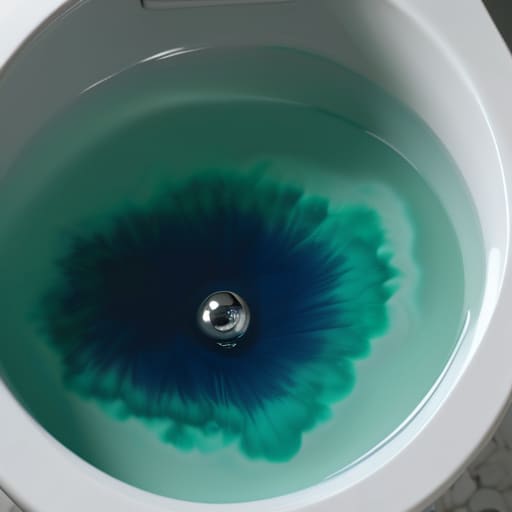
Sometimes, the most frustrating problems aren’t the loud, obvious ones, but the ones that whisper. You might not hear a constant stream of water, but if you notice a mysteriously high water bill at the end of the month, you’re likely dealing with a silent leak. I remember when I first moved into my own place, I thought my utility costs were just rising due to inflation, until I realized my toilet was slowly draining money away through a faulty seal. To master silent toilet leak detection, try the old dye test: drop a few drops of food coloring into the tank and wait fifteen minutes without flushing. If color seeps into the bowl, you’ve found your culprit.
Often, this issue stems from worn-out toilet tank components that have simply reached the end of their lifespan. If the dye moves, it’s a clear sign that you likely need a quick toilet flapper replacement to restore that airtight seal. It’s a small fix, but addressing it immediately prevents that “slow bleed” of your hard-earned savings. Think of it as regular maintenance for your home’s economy—small, proactive steps today keep your financial peace of mind intact tomorrow.
Mastering Toilet Tank Components for a More Harmonious Life
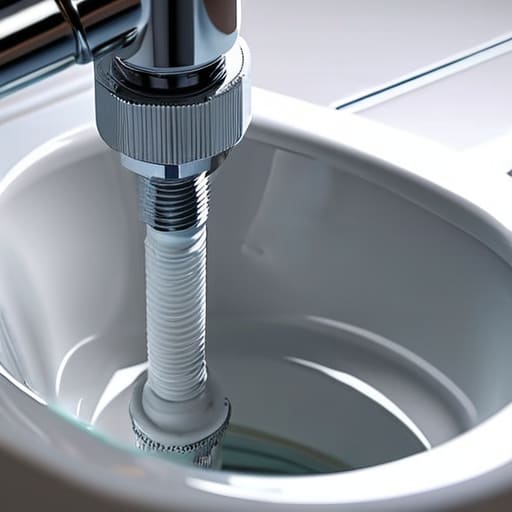
Think of your toilet tank like a well-managed investment portfolio; when one small component isn’t performing its role, the entire system feels the strain. To truly master your home maintenance, you need to get comfortable with the various toilet tank components that work behind the scenes. I remember when I first transitioned from analyzing spreadsheets to managing my own kitchen, I realized that understanding the “why” behind a mechanical failure is just as important as the “how.” For instance, a simple toilet fill valve adjustment can be the difference between a steady, efficient flow and a constant, money-wasting trickle.
Once you’ve tackled the basics, keep an eye on the water level in the toilet tank. If it’s consistently too high, it might be overflowing into the overflow tube, which is essentially like having a small, invisible leak in your monthly budget. If you notice the tank isn’t refilling properly or the sound is off, a quick bit of flush valve troubleshooting can save you a much more expensive plumber’s visit later. Taking these small steps ensures your home remains a place of peace rather than a source of financial stress.
Pro-Tips for Keeping Your Plumbing (and Your Budget) in Check
- Don’t skip the “dry run” test; before you dive into a full repair, wipe everything down with a towel to see exactly where the moisture is coming from so you aren’t chasing ghosts.
- Invest in high-quality replacement parts rather than the cheapest ones you find; think of it like buying organic ingredients—it costs a little more upfront, but the long-term reliability is worth every penny.
- Keep a “plumbing toolkit” handy with a few basic wrenches and a screwdriver, because nothing kills a productive morning like hunting through a junk drawer for a tool you need.
- Always check the water level in your tank against the manufacturer’s lines; an overfilled tank is essentially just a slow, expensive leak that’s quietly eating away at your monthly utility budget.
- Get into the habit of a quick visual inspection once a month; catching a worn-out flapper before it fails completely is much easier on your stress levels (and your wallet) than dealing with an emergency flood.
Finding Balance: My Final Thoughts on Maintenance and Money
Think of toilet maintenance as a micro-investment; spending twenty minutes and a few dollars on a new flapper today prevents a massive “unplanned expense” on your water bill later.
Don’t let small household glitches disrupt your flow; mastering these simple DIY fixes builds the same kind of confidence you need when pivoting careers or launching a new business venture.
Peace of mind is the ultimate luxury, and keeping your home running smoothly ensures you have the mental space to focus on what truly matters—like experimenting with that new fusion recipe in the kitchen.
Small Fixes, Big Peace of Mind
“Just like managing a tight budget or perfecting a complex fusion recipe, fixing a running toilet is all about identifying the small leaks before they become overwhelming expenses. It’s not just about saving water; it’s about reclaiming your peace of mind and ensuring your home—and your finances—are running as smoothly as possible.”
Rachel Anderson
Small Fixes, Big Returns
At the end of the day, tackling a running toilet isn’t just about stopping a constant trickle of water; it’s about mastering the small, manageable details that keep your household running smoothly. Whether you were replacing a worn-out flapper, adjusting the float valve, or simply cleaning out some debris from the tank, you’ve successfully addressed a problem that could have quietly eroded your monthly utility budget. By taking the time to understand these essential components, you’ve prevented unnecessary waste and ensured that your home remains a place of efficiency rather than a source of constant, nagging distraction.
Transitioning from the high-stakes world of financial spreadsheets to the hands-on reality of culinary entrepreneurship has taught me one thing: growth happens when you stop fearing the “messy” parts of life and start engaging with them. Fixing a toilet might feel a world away from perfecting a sourdough starter or balancing a business ledger, but it’s all part of the same journey toward intentional living. Don’t let minor household hiccups derail your momentum. Fix the leak, save your hard-earned money, and then get back to what truly matters—whether that’s cooking an incredible meal or chasing that big, beautiful dream you’ve been putting off.
Frequently Asked Questions
If I replace the flapper and it’s still running, could the issue actually be the fill valve or the float height?
It’s incredibly frustrating when you’ve done the work—swapping that flapper like a pro—and the sound of running water just won’t quit. If the flapper is brand new, your money is likely being drained by the fill valve or an improperly set float. If the water level is too high, it constantly spills into the overflow tube. Adjust that float height first; it’s a quick, low-cost fix that can save your peace of mind (and your budget!).
Is it worth investing in high-end, professional-grade replacement parts, or can I save money by sticking to the basic ones from the local hardware store?
Honestly, it’s all about your long-term ROI. Coming from a finance background, I love a good bargain, but there’s a difference between being frugal and being cheap. If you’re planning on staying in your home for years, investing in high-quality, professional-grade parts is like buying a premium chef’s knife—it lasts longer and performs better. Save the basic hardware store parts for quick, temporary fixes, but go pro if you want true peace of mind.
How can I tell if my toilet is actually worth repairing, or if I'm just throwing good money after bad when it might be time for a full replacement?
This is the ultimate “sunk cost fallacy” moment, isn’t it? In finance, we look at whether more investment will actually yield a return. If you’re replacing parts every few months or the porcelain itself is cracked, stop. You’re just pouring capital into a depreciating asset. If a simple flapper fix doesn’t solve it, it’s better to budget for a high-quality replacement now than to let small leaks bleed your savings dry over time.