I was standing in my kitchen last Tuesday, mid-prep for a spicy Thai basil stir-fry, when that rhythmic drip… drip… drip… started cutting right through my focus. It’s funny; as a former financial analyst, my brain immediately went to the math of wasted water and the rising utility bills, but as a chef, it just felt like a distraction from the joy of cooking. Most people think you need a massive budget or a professional plumber on speed dial to handle home maintenance, but I’m here to tell you that learning how to fix a leaky faucet is actually one of the most empowering ways to protect your hard-earned cash.
In this guide, I’m stripping away the technical jargon to give you a straightforward, no-nonsense roadmap to getting that silence back. We aren’t going to overcomplicate things or suggest expensive, unnecessary tools; instead, I’ll walk you through the practical steps to identify the culprit and mend the leak yourself. My goal is to help you master this small win so you can stop worrying about your overhead and get back to what really matters—enjoying your home and the delicious meals you create in it.
Table of Contents
- Step-by-Step Instructions
- Stop Water Drip at Sink to Save Your Hard Earned Cash
- Essential Plumbing Tools for Faucet Repair and Stress Free Living
- Pro-Tips for a Leak-Free Kitchen (and a Stress-Free Budget)
- Quick Wins for Your Wallet and Your Peace of Mind
- ## Small Leaks, Big Lessons
- Fixing the Drip and Finding Your Flow
- Frequently Asked Questions
Guide Overview
Tools & Supplies
- Adjustable wrench for loosening nuts
- Screwdriver (Phillips or flathead) to remove handles
- Allen wrench to remove decorative caps or set screws
- Replacement washers or O-rings (1-2 pieces)
- Plumber's grease (1 small tube)
- Thread seal tape (1 roll)
Step-by-Step Instructions
- 1. First things first, we need to shut off the water supply. I know, it feels a bit dramatic, but you don’t want a sudden indoor fountain while you’re working! Look under your sink for the shut-off valves and turn them clockwise until they’re tight. Once that’s done, turn on the faucet to drain any remaining water and relieve the pressure.
- 2. Now, let’s get to the “surgery” part. You’ll need to remove the decorative cap on top of your handle—usually, there’s a tiny screw hiding underneath. Grab a screwdriver and carefully take the handle off. I always find it helpful to lay everything out on a clean towel so those tiny screws don’t go on a solo adventure across your kitchen floor.
- 3. Next, you’ll see the stem or the cartridge that’s causing the trouble. Use a wrench to loosen the packing nut and pull the stem out. This is the part that’s likely worn down. Think of it like an old, blunt chef’s knife; it just isn’t performing the way it used to, and it’s time for an upgrade.
- 4. Take a close look at the O-rings and the washer at the bottom of the stem. If they look cracked, flattened, or just plain gross, that’s your culprit! This is where my meticulous financial analyst side kicks in—I like to inspect every single detail to make sure I’m not missing the root cause of the leak.
- 5. Head down to your local hardware store with the old parts in hand. Don’t try to guess the size; trust me, getting the exact match is much easier than trying to “make it work” with something that’s slightly off. It’s just like choosing the right ingredients for a delicate sauce—precision is everything.
- 6. Once you have your new parts, it’s time to reassemble. Slide the new O-rings onto the stem, place the washer in position, and screw the packing nut back on. Make sure everything is tight but not over-tightened, as you don’t want to strip the threads or crack the housing.
- 7. Finally, put the handle back on and slowly turn your water supply valves back on. Turn the faucet on and off a few times to clear out any air in the lines. If you don’t see any more drips, congratulations! You’ve just saved yourself some serious cash and regained your peace of mind.
Stop Water Drip at Sink to Save Your Hard Earned Cash
When I was working as a financial analyst in San Francisco, I used to obsess over the smallest line items in a budget. It’s funny how that mindset carries over into my kitchen today; I can’t help but see a dripping sink as a tiny, recurring leak in my monthly cash flow. To truly stop water drip at sink and protect your savings, you have to look beyond the immediate fix. If you’ve already tried the basics and the drip persists, you might need to dive into some cartridge faucet troubleshooting. Sometimes, the issue isn’t just a worn-out seal, but a faulty internal component that requires a more strategic approach to repair.
Before you rush out to buy every gadget in sight, make sure you have the right plumbing tools for faucet repair ready to go. Investing in a decent set of wrenches and screwdrivers upfront is much more cost-effective than making multiple trips to the hardware store. Think of it as a small capital investment in your home’s infrastructure. By mastering these minor maintenance tasks, you aren’t just saving on water bills—you’re reclaiming your financial independence one drop at a time.
Essential Plumbing Tools for Faucet Repair and Stress Free Living
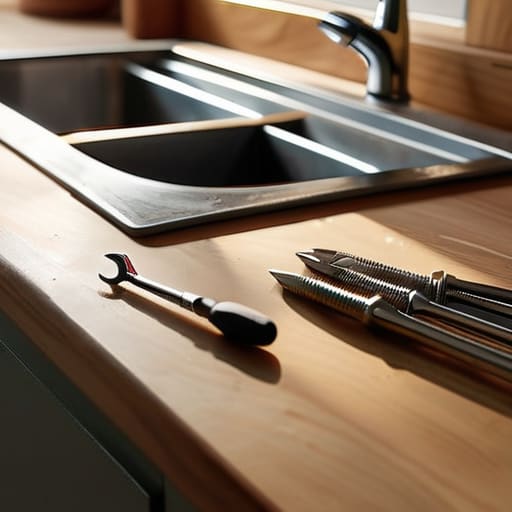
Before you dive into the actual repair, let’s talk about your toolkit. I remember when I first transitioned from analyzing spreadsheets to tackling home maintenance; I felt completely out of my element. But just like prepping for a complex fusion recipe, having the right mise en place makes all the difference. To tackle this job effectively, you’ll want to gather some basic plumbing tools for faucet repair, such as an adjustable wrench, a screwdriver set, and needle-nose pliers. Having these on hand prevents that mid-project panic that can turn a simple fix into a massive headache.
If you’re dealing with a more modern setup, you might find yourself moving beyond simple fixes into cartridge faucet troubleshooting. This often requires a specific type of puller or specialized screwdriver to access the internal components. Whether you need to replace faucet washer components in an older model or swap out a whole cartridge, being prepared is your best defense against unnecessary stress. Think of it as an investment in your peace of mind—and your bank account—ensuring that once the job is done, you can get back to what really matters: enjoying a quiet glass of wine in a calm, drip-free kitchen.
Pro-Tips for a Leak-Free Kitchen (and a Stress-Free Budget)
- Turn off the water supply before you even touch a wrench—there is nothing more heartbreaking (or expensive) than a sudden indoor flood when you’re just trying to save a few bucks.
- Take your old, worn-out parts to the hardware store with you; I learned the hard way that “close enough” isn’t a thing when it comes to matching washer sizes.
- Don’t skip the cleaning step—use a little vinegar to dissolve mineral buildup on the parts so your new seals can actually do their job properly.
- Keep a detailed “maintenance log” or even just a note on your phone of what you replaced; it’s like tracking your business expenses, it helps you spot patterns in your home’s aging hardware.
- Treat yourself to a nice bottle of wine once the job is done; you’ve just saved money on your utility bill and mastered a new skill, and that definitely calls for a celebration.
Quick Wins for Your Wallet and Your Peace of Mind
Treat a leaky faucet like a small budget leak in a financial spreadsheet—if you ignore it, the cumulative cost can really sting your savings over time.
You don’t need to be a professional plumber to take control; having a basic toolkit and the right DIY mindset allows you to solve problems quickly and reclaim your time.
Taking care of these small home repairs isn’t just about saving money; it’s about creating a seamless, stress-free environment so you can focus on what actually matters, like experimenting with a new recipe.
## Small Leaks, Big Lessons
“Fixing a leaky faucet is a lot like managing a budget or pivoting a career: if you ignore the small, steady drains on your resources today, you’ll never have the capital to invest in the big dreams you’re actually chasing.”
Rachel Anderson
Fixing the Drip and Finding Your Flow
Taking the time to tackle that annoying drip might feel like just another chore on your endless to-do list, but look at what you’ve actually accomplished. By gathering the right tools and following these steps, you haven’t just repaired a fixture; you’ve successfully stopped a silent drain on your finances and prevented unnecessary water waste. Whether it was replacing a worn-out washer or tightening a faulty cartridge, you’ve taken direct control over your home environment. It’s a small win, but in the grand scheme of managing a household and a budget, these micro-victories are exactly what build long-term confidence and stability.
If there is one thing my transition from the high-stakes world of finance to the chaotic beauty of a professional kitchen has taught me, it’s that we shouldn’t let small, nagging problems overwhelm us. Just like a messy prep station or a fluctuating market, a leaky faucet is simply a signal that it’s time to pivot and take action. Don’t let the little things—the drips, the doubts, or the minor setbacks—distract you from the bigger picture of the life you are building. Embrace the small repairs, keep your eyes on your goals, and then get back to what truly matters: enjoying a delicious meal in a home that feels perfectly in sync.
Frequently Asked Questions
Is it actually worth the time to fix it myself, or should I just bite the bullet and call a professional plumber?
Honestly, it’s a bit like deciding whether to whip up a complex soufflé from scratch or just order takeout. If the leak is a simple washer swap, go for it! It’s incredibly rewarding and saves you a hefty service fee. But, if you’re staring at pipes that look like a scene from a horror movie, don’t sweat it. Sometimes, investing in a pro is the smartest way to protect your peace (and your plumbing).
How can I tell if it's just a simple worn-out washer or if I'm looking at a much bigger, more expensive plumbing issue?
Here’s the thing: I used to look at spreadsheets to spot tiny discrepancies that signaled a massive financial leak, and plumbing is surprisingly similar! If your faucet is just a steady, predictable drip, it’s likely a simple, inexpensive washer replacement. But if you notice water pooling under the sink, or if the handle feels loose and won’t stop vibrating, that’s a red flag. Don’t ignore those signs—that’s when a small fix turns into a costly headache.
Are there any specific types of faucets, like high-end designer ones, that I should be extra careful with so I don't accidentally damage them while repairing?
Oh, I am so glad you asked! Coming from a finance background, I’m always thinking about protecting your investments, and high-end designer faucets are definitely “luxury assets” for your home. If you have brushed brass, matte black, or polished nickel finishes, please be extra gentle. Avoid using harsh chemical cleaners or even abrasive sponges, as they can ruin that beautiful patina instantly. Treat them like a fine vintage cookbook—handle with care to keep the value intact!