I still remember sitting on my floor in my old San Francisco apartment, surrounded by a mountain of tax returns, lease agreements, and those dreaded restaurant supply invoices, feeling like I was drowning in a sea of white rectangles. My mind was racing through spreadsheets and profit margins, but my hands were just frantically digging through a pile of crumpled receipts. I realized then that knowing how to organize paperwork isn’t about having a pristine, Pinterest-perfect home office; it’s about reclaiming your mental bandwidth so you can actually focus on the things that matter—like perfecting a sourdough starter or planning your next big career move.
I’m not here to sell you on some expensive, color-coded filing system that requires a PhD to maintain. Instead, I want to share the practical, battle-tested methods I used to transition from a high-stakes finance career to the beautiful chaos of food entrepreneurship. I’ll show you how to build a system that works for your real life, ensuring your finances stay secure without letting the administrative clutter steal your joy. Let’s get your life in order so you can get back to the kitchen.
Table of Contents
- Sorting Important Documents to Reduce Daily Stress
- Paperwork Decluttering Tips for More Creative Freedom
- My Tried-and-True Systems for Keeping the Paper Chaos at Bay
- Final Thoughts: Making Space for What Truly Matters
- Finding Clarity in the Chaos
- Finding Your Flow Beyond the Filing Cabinet
- Frequently Asked Questions
Sorting Important Documents to Reduce Daily Stress
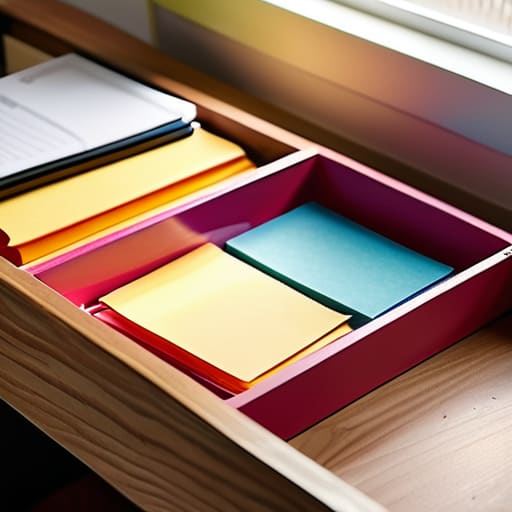
When I was working in finance, my desk was a fortress of spreadsheets and legal filings, and I quickly learned that chaos is the enemy of focus. The same goes for your home life; if you’re constantly hunting for a birth certificate or a tax return, you’re leaking mental energy that could be spent on your passion projects. I’ve found that the secret to sorting important documents isn’t about having a perfect, Pinterest-worthy office, but about creating a system that actually works for your lifestyle. Start by categorizing everything into three buckets: “Immediate Action,” “Long-term Storage,” and “Discard.”
Once you’ve categorized the pile, I highly recommend looking into digital document scanning to lighten the physical load. There is something incredibly liberating about taking a mountain of paper and turning it into a searchable, secure file on your laptop. It’s a total game-changer for organizing household records without needing a massive, dusty filing cabinet taking up space in your guest room. By digitizing the essentials, you’re not just tidying up; you’re reclaiming your time and peace of mind.
Paperwork Decluttering Tips for More Creative Freedom
Once I finally tackled the mountain of bills and tax forms, I realized that the mental fog lifting wasn’t just about a clean desk—it was about mental bandwidth. When your physical space is drowning in loose receipts and old contracts, your brain stays in “survival mode” instead of “creative mode.” To reclaim that space, I highly recommend embracing digital document scanning. By converting those bulky stacks into searchable PDFs, you aren’t just saving physical space; you’re clearing the cognitive clutter that prevents you from dreaming up your next big project (or your next fusion recipe!).
If you still prefer the tactile feel of paper, don’t let it become a chaotic mess. I’ve found that a simple approach to organizing household records can make a world of difference. Instead of a massive, overwhelming filing cabinet, try using smaller, color-coded folders for specific categories like “Culinary Inspiration” or “Business Growth.” This way, you aren’t hunting for a single piece of paper for twenty minutes; you’re spending that time focusing on what truly fuels your passion.
My Tried-and-True Systems for Keeping the Paper Chaos at Bay
- Create a “Financial Command Center” using color-coded folders; I use green for everything tax-related and blue for insurance, which makes finding my documents way faster than digging through a mountain of receipts.
- Go digital wherever you can to reclaim your physical space; scanning those pesky utility bills into a secure cloud drive means you can spend less time filing and more time perfecting your sourdough starter.
- Set up a “Sunday Reset” ritual for your mail; instead of letting letters pile up on the kitchen counter like a messy appetizer spread, spend ten minutes every Sunday sorting them into “Action,” “File,” or “Shred.”
- Invest in a high-quality shredder to protect your privacy; there’s something strangely therapeutic about shredding old bank statements, and it gives me total peace of mind knowing my financial data is secure.
- Keep a “Current Projects” tray for everything active; whether it’s a new business permit for a pop-up or a recipe research folder, having one dedicated spot prevents that frantic “where is it?” feeling when you’re in the zone.
Final Thoughts: Making Space for What Truly Matters
Think of your paperwork as a budget—when you stop overspending your time on administrative clutter, you finally have the “capital” to invest in your creative passions and culinary adventures.
Don’t aim for perfection on day one; just focus on creating a system that works for your unique lifestyle so you can stop feeling overwhelmed and start feeling in control.
Remember that an organized workspace isn’t just about being “neat”—it’s about clearing the mental fog so you have the headspace to dream up your next big idea (or your next great recipe!).
Finding Clarity in the Chaos
“Think of your paperwork like a cluttered pantry: you can’t cook up a life you love if you’re constantly digging through old receipts just to find the ingredients for your future.”
Rachel Anderson
Finding Your Flow Beyond the Filing Cabinet

At the end of the day, organizing your paperwork isn’t just about having a neat desk or a color-coded folder system; it’s about reclaiming your mental bandwidth. By sorting those high-priority documents to lower your stress levels and implementing decluttering habits that spark creative freedom, you are essentially building a foundation for a more intentional life. We’ve talked about how moving from chaos to order allows you to stop worrying about a misplaced tax form and start focusing on the things that actually move the needle—whether that’s a new business venture or finally mastering that complex sourdough recipe. Remember, a little bit of systematic organization goes a long way in protecting your most valuable asset: your time.
As I look back on my own jump from the high-stakes world of finance to the beautiful chaos of the culinary industry, I’ve realized that stability and passion don’t have to be at odds. In fact, the more you manage the “boring” administrative side of your life, the more room you create to chase the flavors and dreams that make life worth living. Don’t let a mountain of paper stand in the way of your next big leap. Take it one folder at a time, clear that physical clutter, and make sure you are making space for what truly nourishes your soul.
Frequently Asked Questions
How do I decide which documents are actually worth keeping and which ones are just taking up space?
Think of it like auditing a kitchen pantry: if you haven’t used that expired spice in two years, it’s time to toss it! I use a “Value vs. Necessity” rule. If a document is just a receipt for a coffee from 2019, shred it. If it’s a tax record or a property deed, keep it. When in doubt, ask: “Does this protect my finances or my future?” If the answer is no, let it go.
Is it better to go fully digital, or should I keep physical copies of my most important financial records?
This is the million-dollar question, isn’t it? Coming from a finance background, I’m a huge advocate for going digital—it makes tracking your net worth so much smoother. However, I’ve learned that a “hybrid” approach is the sweet spot for peace of mind. Scan everything for easy access, but keep physical copies of original wills, property deeds, and birth certificates in a fireproof safe. It’s all about digital efficiency paired with physical security.
How often should I actually sit down to update my filing system so it doesn't just become a mess again in a month?
Think of your filing system like a sourdough starter—if you neglect it, it’ll definitely go sour! I’ve found that a quick, ten-minute “Sunday Reset” once a week keeps the mountain from growing. However, for a deeper dive, I schedule a quarterly “Financial Deep Clean.” Every three months, I sit down with a glass of wine to audit my folders and shred what’s no longer needed. Consistency beats intensity every single time!