I was sitting on my kitchen floor last weekend, surrounded by a mountain of dusty boxes, staring at a chipped ceramic mug from my first apartment and a stack of old bank statements from my analyst days. It’s funny—I spent years studying market volatility and risk management, yet I was completely paralyzed by the emotional “cost” of decluttering sentimental items. We’re often told that we need expensive organizational systems or a “minimalist lifestyle” to find peace, but honestly? That’s just more clutter for your brain. The truth is, holding onto every single physical fragment of your past isn’t preserving memories; it’s often just stifling the space you need to actually live your present life.
I’m not here to give you a clinical, step-by-step manual that feels like a chore. Instead, I want to share how I used my analytical background and my love for curated spaces to find a middle ground. I’ll show you how to approach decluttering sentimental items without the guilt, helping you decide what truly deserves a spot on your shelf and what is simply holding you back from your next big adventure.
Table of Contents
- Overcoming Guilt When Decluttering Your Most Cherished Treasures
- Managing Emotional Attachment to Belongings Without Losing the Magic
- My Five-Step Strategy for Curating Your Memories Without the Clutter
- Making Space for What Truly Matters
- The Weight of What We Keep
- Making Room for What Truly Matters
- Frequently Asked Questions
Overcoming Guilt When Decluttering Your Most Cherished Treasures
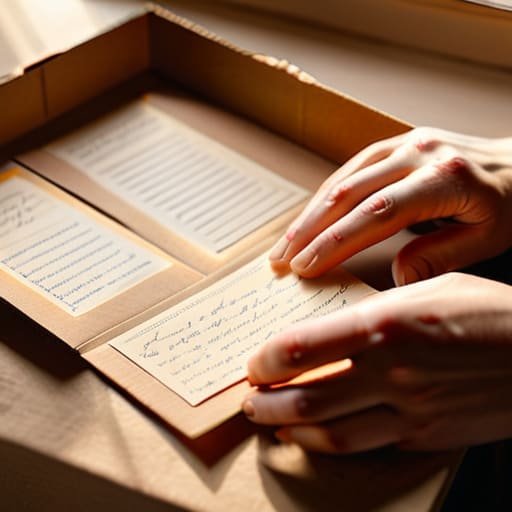
I’ll be the first to admit: staring at a box of my grandmother’s handwritten recipe cards used to make me feel like a total traitor. There’s this heavy, nagging sense of duty that comes with family history, and I often found myself paralyzed by the emotional attachment to belongings that felt like they held the very essence of my loved ones. But here is the truth I had to learn the hard way: your worth—and the worth of your family—isn’t stored in a dusty attic. Letting go doesn’t mean you’re erasing the person; it means you’re choosing to carry their spirit in your heart rather than in a crowded closet.
To make this transition easier, I started leaning into digital archiving for keepsakes. Instead of feeling guilty about parting with a bulky, chipped ceramic platter, I took a high-quality photo of it and wrote down the story behind it. Now, I have the memory preserved in a way that doesn’t take up physical square footage in my kitchen. By shifting your focus from “losing an object” to “preserving a story,” you can finally stop feeling like you’re failing your past and start making room for your future.
Managing Emotional Attachment to Belongings Without Losing the Magic
I know exactly how it feels to stare at a stack of old letters or a chipped ceramic bowl and feel like you’re staring at a piece of your own soul. It’s that heavy sense of emotional attachment to belongings that makes us freeze up. We worry that if we let go of the physical object, we’re somehow letting go of the person or the moment it represents. But here’s the secret I learned when I started thinning out my own apartment to make room for my professional kitchen: the magic isn’t actually in the “stuff”; it’s in the story.
To keep the magic alive while lightening your load, I’ve become a huge advocate for digital archiving for keepsakes. Instead of letting a bulky, dust-gathering heirloom take up precious real estate, take a high-quality photo of it. Write down the story behind it in a digital journal or a dedicated notes app. This way, you’re practicing effective memory preservation techniques that allow you to carry the sentiment with you anywhere, without the physical clutter weighing down your transition into a new chapter of life.
My Five-Step Strategy for Curating Your Memories Without the Clutter
- The “Digital Keepsake” Pivot. Instead of letting a bulky, dusty box of old high school yearbooks take up prime real estate in your guest room, take high-quality photos of them. I do this with my vintage cookbooks all the time—I scan the beautiful, weathered pages so I can keep the inspiration in a digital folder without needing the physical space.
- The One-In, One-Out Rule for Heirlooms. If you’re inheriting a beautiful piece of vintage silverware or a heavy ceramic vase, give yourself permission to let something else go. Think of it like balancing a budget; you can’t keep adding assets to your life without eventually needing to reallocate your resources.
- Create a “Memory Box” Limit. I used to think I needed to save every single memento from every trip, but it was becoming a mental weight. Now, I give myself one beautiful, high-quality linen box. Once it’s full, if I want to add something new, something old has to be retired. It forces you to be intentional about what truly sparks joy.
- The “Honor the Story” Method. Sometimes we hold onto things because we’re afraid of forgetting the person or the moment. Try writing a quick note about why that item mattered and then let the item go. The memory lives in your heart (and your stories), not in a stack of old clothes in the back of your closet.
- Curate, Don’t Just Collect. Ask yourself: “Does this item reflect who I am now, or am I just holding onto a version of myself that no longer exists?” Transitioning from finance to food taught me that letting go of old professional identities actually makes room for the person you’re becoming to breathe.
Making Space for What Truly Matters
Remember that the value of a memory lives in you, not in the object; digitizing a photo or keeping a small memento can preserve the magic without letting physical clutter weigh down your daily life.
View decluttering as a strategic investment in your future self, freeing up the mental and physical space needed to focus on your career goals and the culinary adventures you actually have room for.
Give yourself permission to let go by honoring the sentiment behind the item, recognizing that clearing out the past is often the first step toward making room for the new passions and successes waiting to happen.
The Weight of What We Keep
“Just like a cluttered spreadsheet can hide the real trends you need to see, a home overflowing with ‘just in case’ memories can actually drown out the joy of the life you’re living right now. We aren’t losing our history when we let go; we’re just making sure we have enough room—both mentally and physically—to cook a great meal and build a future we’re actually excited about.”
Rachel Anderson
Making Room for What Truly Matters
At the end of the day, decluttering your sentimental items isn’t about erasing your history or discarding the people you love; it’s about deciding which pieces of your past deserve a seat at your table in the present. We’ve talked about navigating that heavy wave of guilt, finding ways to honor memories through photos or smaller keepsakes, and learning that emotional attachment doesn’t have to equal physical clutter. By being intentional about what we keep, we stop letting our belongings manage us and start managing our space to better serve our current goals, whether that’s a streamlined home office for your side hustle or a kitchen that finally feels like a sanctuary.
As you move forward, remember that your value isn’t measured by the volume of things you own, but by the richness of the experiences you pursue. Just like when I left my stable finance role to chase my culinary dreams, letting go of the “old way” of doing things can feel terrifying, but it is often the only way to create space for something truly extraordinary. So, take a deep breath, pick up that one item that’s been weighing on you, and ask yourself if it’s fueling your future or just anchoring you to a version of yourself you’ve already outgrown. You deserve a life that feels light, intentional, and delicious.
Frequently Asked Questions
How do I decide which items are actually worth the precious kitchen or shelf space I'm giving up?
Think of your space like a high-performing investment portfolio: you wouldn’t keep a stagnant asset just because you bought it years ago, right? Apply that same logic to your kitchen. Ask yourself: “Does this item fuel my current creativity or just occupy mental real estate?” If a vintage whisk is beautiful but hasn’t touched batter in three years, it’s time to let it go. Keep what sparks joy or serves a purpose, and prune the rest.
Is there a way to honor the memory of a loved one without feeling like I'm literally throwing away a piece of them?
I hear you, and honestly, I’ve been there—especially when it comes to my collection of vintage cookbooks. It feels heavy, doesn’t it? Try shifting your focus from the object to the essence. Instead of keeping every heavy heirloom, take a high-quality photo or even commission a small sketch of it. You can also “repurpose” the memory—like turning a loved one’s old recipe card into a framed piece of kitchen art. It keeps the soul alive without the clutter.
How can I involve my family or kids in this process so they don't feel like I'm just getting rid of our history?
Think of it as a family curation project rather than a “purge.” Instead of just tossing things, turn it into a storytelling session. Ask your kids, “Which of these keeps the best memories alive?” You could even digitize old photos or create a “memory box” for the absolute essentials. By letting them help choose what stays, you aren’t erasing your history—you’re actually teaching them how to honor the past without being weighed down by it.