If you’ve ever scrolled through social media and felt like you needed to live in a sterile, white-walled vacuum just to be considered “minimalist,” please let me stop you right there. I used to think that following every trendy minimalist home tips guide meant purging everything that didn’t look like a museum exhibit—including my precious, flour-dusted vintage cookbooks. But honestly? That kind of minimalism is exhausting and, frankly, a bit of a financial trap. You shouldn’t have to spend a fortune on designer beige furniture just to prove you have your life together; true simplicity isn’t about having nothing, it’s about making sure everything you own actually serves a purpose or brings you genuine joy.
In this post, I’m skipping the aesthetic fluff and giving you the real-world strategies I used to transition from a cramped, cluttered apartment to a space that actually breathes. I’ll be sharing my personal, experience-based approach to decluttering that respects both your budget and your passions. We aren’t just tidying up for the sake of a clean countertop; we are clearing out the physical noise to make more room for what truly matters—like a career you love and the space to cook a spectacular meal without tripping over a stack of old magazines.
Table of Contents
Mastering Decluttering Techniques for Beginners
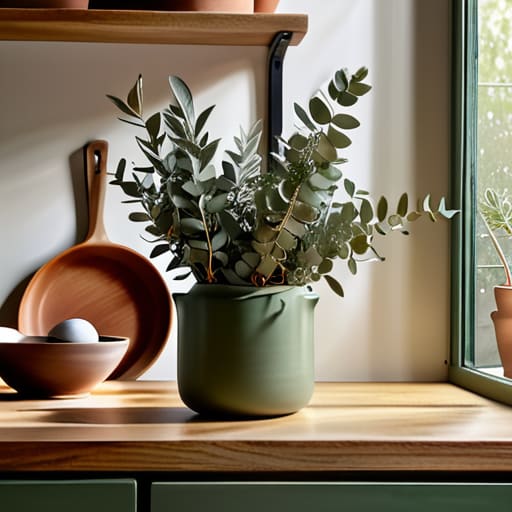
If you’re feeling overwhelmed, don’t worry—I’ve been there. When I first started transitioning from my high-stress finance role, my apartment was a chaotic mess of old spreadsheets, takeout containers, and gadgets I never used. The secret to getting started isn’t to tackle the whole house at once; it’s about implementing manageable decluttering techniques for beginners. I always recommend the “one-in, one-out” rule. If you buy a gorgeous new vintage Le Creuset, something else in your kitchen needs to go. It keeps your space from feeling like a storage unit and helps you focus on quality over sheer quantity.
Once you’ve cleared the physical weight, you can start thinking about intentional living spaces. Instead of just throwing things away, ask yourself if an item actually serves a purpose or brings you joy—much like how I curate my collection of antique cookbooks. Think of it as creating a capsule wardrobe for home organization; you want a curated selection of essentials that work beautifully together. By reducing the noise in your environment, you’re actually making mental room to dream up your next big venture.
Embracing Minimalist Interior Design Principles
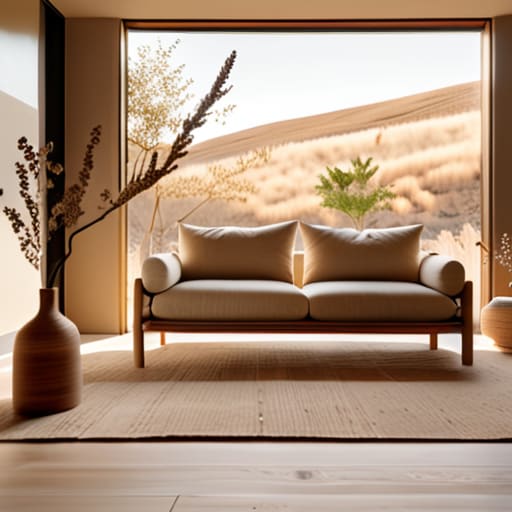
Once you’ve tackled the initial wave of sorting through your belongings, it’s time to look at the bigger picture: how your space actually feels. To me, applying minimalist interior design principles isn’t about living in a cold, empty white box; it’s about curation. Coming from a finance background, I used to think more was better—more assets, more stuff, more “everything.” But I’ve learned that a home should function like a well-balanced portfolio. You want high-quality, meaningful pieces that serve a purpose, rather than a collection of distractions that drain your mental energy.
Think of your decor like a capsule wardrobe for home organization. Instead of filling every corner with trendy knick-knacks, focus on a few intentional elements that bring you joy—perhaps a single, beautiful vintage ceramic bowl from my latest cookbook hunt or a linen throw that feels incredible. By prioritizing quality over quantity, you create intentional living spaces that breathe. This approach doesn’t just make your home look stunning; it creates a serene backdrop that allows you to focus on what truly matters, like perfecting a new recipe or finally reading that book on your nightstand.
5 Ways to Curate a Space That Feeds Your Soul (and Your Savings)
- Invest in “Quality Over Quantity” pieces—think of it like buying a high-end chef’s knife versus a dozen cheap ones; you want items that serve a purpose and actually bring you joy.
- Implement a “One-In, One-Out” rule to keep your momentum going; if you bring home a beautiful new vintage cookbook, it’s time to let go of one kitchen gadget you haven’t touched in a year.
- Audit your digital clutter to free up mental bandwidth; clearing out old files and unused subscriptions is just as much a part of minimalism as cleaning out a closet, and it’s a great way to pad your food budget!
- Create dedicated “zones” for your passions, whether it’s a cozy corner for reading or a streamlined prep station in the kitchen, so your environment supports your hobbies rather than distracting from them.
- Embrace the “Pause Before You Purchase” method; when you feel that sudden urge to shop, wait 48 hours to see if it’s a genuine need or just a temporary dopamine hit—your bank account (and your living room) will thank you.
Making Space for What Truly Matters
Think of decluttering as a financial audit for your home; if an item isn’t adding value to your life or your joy, it’s just “dead capital” taking up precious square footage.
Minimalism isn’t about living in a cold, empty box—it’s about curating a sanctuary filled with high-quality pieces and meaningful memories that leave room for your next big passion project.
By simplifying your physical surroundings, you’re actually lowering your mental overhead, giving you the clarity and headspace needed to balance your career goals and your culinary adventures.
The ROI of Less
“Think of decluttering not as a chore, but as a strategic reallocation of your most precious resources: your time, your mental energy, and the physical space needed to actually enjoy a home-cooked meal without the chaos.”
Rachel Anderson
Creating Space for What Matters
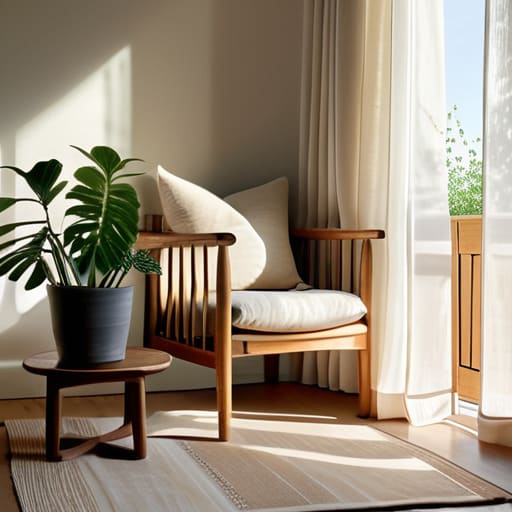
As we wrap up this journey of simplifying your surroundings, remember that minimalism isn’t about living in a sterile, empty box; it’s about intentionality. We’ve looked at how mastering decluttering techniques can clear your mental fog, and how embracing intentional design principles can turn a chaotic apartment into a true sanctuary. By applying these tips, you aren’t just tidying up a room—you are actually optimizing your personal environment to reduce decision fatigue and, quite frankly, saving a bit of money that could be better spent on high-quality ingredients or that vintage cookbook you’ve been eyeing. It’s all about making sure your physical space reflects your true priorities.
Ultimately, I want you to view your home as the foundation for the life you are building. Whether you are transitioning careers like I did or simply trying to find more calm in the daily grind, a minimalist home provides the breathing room necessary to pursue your wildest dreams. Don’t feel pressured to overhaul everything overnight; just start with one drawer or one corner. When you clear away the excess, you create a beautiful, open stage for passion, purpose, and perhaps a spectacular home-cooked meal. Life is far too short to be weighed down by stuff that doesn’t serve you. Go forth and make room for joy!
Frequently Asked Questions
How do I balance a minimalist aesthetic with my growing collection of vintage cookbooks without making my kitchen feel empty?
Honestly, I’ve been there! My shelves are a constant battleground between my love for clean lines and my growing mountain of vintage cookbooks. My secret? Treat them like art, not just clutter. Instead of cramming them into a cabinet, use a few beautiful wooden bookends to create a dedicated “curated corner” on your counter or a single open shelf. It adds warmth and personality without breaking that minimalist flow we’re working so hard to build.
Is it actually possible to maintain a minimalist home on a budget, or does "minimalism" just mean buying expensive, high-end designer pieces?
Honestly, I get asked this all the time, and I’m here to tell you: minimalism is definitely not a designer price tag. Coming from a finance background, I see it as a mindset, not a shopping spree. It’s about intentionality—choosing quality over quantity and keeping only what serves a purpose or brings you joy. You don’t need a high-end showroom; you just need to curate a space that actually lets you breathe.
How can I transition to a more minimalist lifestyle without feeling like I'm losing the cozy, lived-in warmth that makes a house feel like a home?
I totally get this. When I first started decluttering my apartment after leaving my finance job, I was terrified of ending up in a cold, sterile showroom. The secret is focusing on “intentional warmth.” Instead of keeping every knick-knack, keep the pieces that tell a story—like my collection of vintage cookbooks. Swap generic decor for high-quality textures like linen or a chunky knit throw. It’s about curated soul, not just empty space.