I remember sitting in my old cubicle at the firm, staring at a spreadsheet of projected quarterly earnings, while my phone buzzed incessantly with notifications about the latest “must-have” flagship device. The tech industry wants you to believe that a $1,200 upgrade is a non-negotiable necessity for a successful life, but as someone who spent years analyzing market trends before diving into the culinary world, I see through the hype. Most people get lost in a sea of technical jargon and artificial scarcity when trying to figure out how to choose the right phone, ultimately overpaying for features they’ll never actually use. Honestly, that extra money could be better spent on a world-class tasting menu or building your own startup fund.
I’m not here to give you a spec sheet readout that sounds like a robot wrote it. Instead, I want to help you approach this purchase with the same strategic mindset I use when balancing a kitchen budget. I promise to guide you through a practical, no-nonsense framework that prioritizes your actual lifestyle over brand prestige. We’re going to find a device that works as hard as you do, without draining the savings you need for the things that truly matter.
Table of Contents
- Budget vs Flagship Smartphones Balancing Passion and Practicality
- Smartphone Operating Systems Comparison Finding Your Digital Rhythm
- Five Ways to Pick a Phone Without Breaking Your Bank (or Your Spirit)
- Making the Smart Call for Your Wallet and Your Lifestyle
- The ROI of Your Daily Driver
- Making the Call
- Frequently Asked Questions
Budget vs Flagship Smartphones Balancing Passion and Practicality

When I was working in finance, I used to look at everything through the lens of ROI—return on investment. Now, as I navigate the messy, beautiful world of food entrepreneurship, I apply that same logic to my tech. Choosing between budget vs flagship smartphones isn’t just about being frugal; it’s about deciding where your “capital” will actually serve your lifestyle. If you’re like me and spend your afternoons scouting new markets or testing fusion recipes, you might think you need the most expensive model on the market. But let’s be real: do you actually need a $1,200 device, or just one that won’t die during a long afternoon of recipe testing?
This is where we have to weigh camera quality vs price against your daily reality. A flagship phone offers incredible lenses that make every dish look like a professional photoshoot, which is great for my growing food blog. However, if you’re mostly using your device for spreadsheets, quick emails, and navigating to new brunch spots, a mid-range phone might be the smarter fiscal move. It’s about finding that sweet spot where your tech supports your ambitions without draining the very funds you need to invest in your next big dream.
Smartphone Operating Systems Comparison Finding Your Digital Rhythm
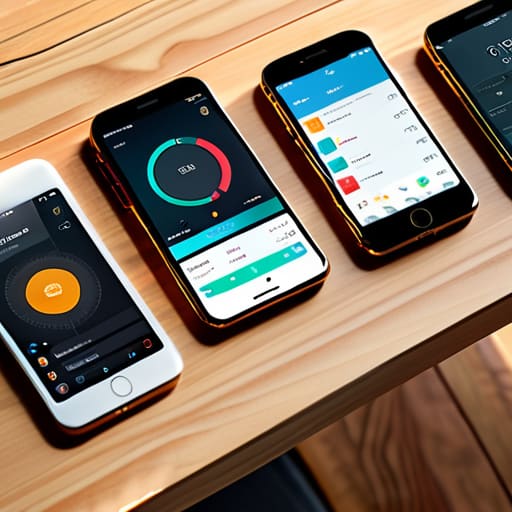
Once you’ve decided on a budget, it’s time to dive into the “soul” of your device: the operating system. Think of it like choosing between a high-end, streamlined professional kitchen or a versatile, customizable home setup. If you’re someone who loves a seamless, intuitive experience where everything just works—much like a well-oiled recipe—iOS is likely your go-to. It’s polished and reliable, though you might find yourself paying a premium for that ecosystem. On the other hand, Android offers a level of freedom that appeals to my inner tinkerer; you can customize everything from your home screen to your file management, which is a huge plus if you’re constantly moving large files or culinary PDFs around.
This smartphone operating systems comparison isn’t just about aesthetics, though; it’s about how the software manages your hardware. For instance, an efficient OS can significantly impact your mobile phone battery life expectations, ensuring your device doesn’t die right when you’re trying to snap a photo of a stunning fusion dish. Ultimately, you want a system that feels like an extension of your natural rhythm, rather than a digital hurdle you have to jump over every single day.
Five Ways to Pick a Phone Without Breaking Your Bank (or Your Spirit)
- Audit your “digital pantry” before you buy. Think about the apps you actually use every single day—is it high-end photo editing for your food blog, or just quick texts and Spotify? Don’t pay for a powerhouse processor if you’re really just looking for a reliable way to scroll through recipes.
- Treat your battery life like your monthly budget. There is nothing more draining than a phone that dies halfway through a busy workday or, even worse, right when you’re trying to snap a photo of a stunning meal. Look for a battery that can actually keep up with your lifestyle.
- Don’t get blinded by the “shiny object” syndrome. Just because a flagship model has the latest, flashiest features doesn’t mean it’s the best investment for you. Sometimes, a slightly older model or a mid-range device offers the best ROI, leaving you with extra cash for that weekend cooking class.
- Consider the ecosystem’s long-term value. As someone who loves a good system, I know how much it matters that your devices play nice together. Check if the phone integrates seamlessly with your current laptop or tablet so you aren’t constantly fighting against your own tech.
- Factor in the “hidden costs” of ownership. A phone isn’t just the sticker price; it’s the protective case, the screen protector, and the potential repair costs down the line. Budgeting for these small extras ensures that your new tech remains an asset rather than a financial headache.
Making the Smart Call for Your Wallet and Your Lifestyle
Don’t feel pressured to chase the latest flagship model just because it’s trending; if a mid-range phone handles your daily hustle and keeps your savings intact for a weekend foodie tour, it’s a win in my book.
Choose an operating system that actually flows with your existing digital life, because technical friction is the last thing you need when you’re trying to balance a busy career and personal passions.
View your smartphone as a tool for your lifestyle rather than a status symbol—invest in the features that actually empower your creativity and connection, without draining the funds you’ve earmarked for your true joys.
The ROI of Your Daily Driver
“Think of your phone less like a status symbol and more like a tool for your lifestyle; you don’t need the most expensive model on the market to capture life’s best moments, you just need the one that empowers your day without draining the budget you’ve earmarked for your next big adventure.”
Rachel Anderson
Making the Call
At the end of the day, picking the right phone isn’t about finding the most expensive device on the market; it’s about finding the one that actually serves your unique lifestyle. We’ve looked at how to weigh the raw power of a flagship against the smart practicality of a mid-range model, and how choosing an operating system is really about finding your own digital rhythm. Whether you need a high-end camera to capture every detail of a new fusion recipe or a reliable, budget-friendly device that keeps your finances on track, the goal is to ensure your technology is an asset, not a liability.
As I’ve learned through my own journey of pivoting from spreadsheets to sauté pans, every big decision—whether it’s a career change or a tech upgrade—requires a balance of logic and intuition. Don’t let the fear of making the “wrong” choice paralyze you. Invest in tools that empower your passions and respect your bottom line. Remember, your phone is just a tool to help you document, navigate, and connect with the world; make sure it leaves you with enough financial breathing room to go out and enjoy a truly spectacular meal. You’ve got this!
Frequently Asked Questions
Is it worth upgrading to the newest model every year, or am I just throwing money away that could be better spent on my business or travel?
Honestly? Unless your current phone is literally falling apart or your business depends on a specific high-end camera feature, upgrading every year is usually just a vanity expense. Think of it this way: that extra $1,000 isn’t just a phone; it’s a flight to Tokyo for culinary inspiration or a boost to your marketing budget. Hold onto your tech for two or three years. Your bank account—and your future self—will definitely thank you.
How much do camera specs actually matter if I'm mostly using my phone for productivity and managing my finances?
Honestly? If your day revolves around spreadsheets and tracking your investments, those triple-lens camera arrays are probably overkill. You don’t need to pay a “photography premium” if you aren’t a content creator. I’d rather reallocate that extra $300 toward a high-yield savings account or a truly spectacular tasting menu. Focus on a processor that won’t lag when you’re juggling banking apps—save the professional-grade optics for your food photography adventures later!
Should I consider buying a refurbished phone to save some cash without sacrificing the quality I need for my daily hustle?
Honestly, I’m a huge advocate for the refurbished route. Think of it like buying a vintage cookbook—you get all the character and utility without the “brand new” markup. If you choose a certified refurbished model, you’re essentially reclaiming capital that can go toward your side hustle (or a really stellar tasting menu). It’s a smart, strategic way to get high-end tech while keeping your financial foundations rock-solid. Go for it!