I remember sitting on the floor of my first tiny studio kitchen, surrounded by half-finished sourdough starters and a mountain of vintage cookbooks, feeling completely overwhelmed because I didn’t have a single stable surface to prep my ingredients or my DIY projects. Most people will tell you that learning how to build a workbench requires a massive investment in a professional-grade workshop and a degree in carpentry, but that is a total myth. In my experience transitioning from the rigid world of financial analysis to the beautiful chaos of culinary entrepreneurship, I’ve learned that the most important tool isn’t your budget—it’s having a solid foundation to support your creativity.
In this guide, I’m stripping away the complicated jargon and the unnecessary expenses to show you exactly how to create a workspace that actually works for you. I’ll walk you through the essential materials, the structural basics, and the clever ways to maximize your space without breaking the bank. Whether you’re looking to build a heavy-duty station for woodworking or a sturdy prep area for your latest fusion recipe, you’ll get practical, no-nonsense steps to help you build something that lasts. Let’s stop dreaming about that perfect workspace and finally start building it together.
Table of Contents
- Step-by-Step Instructions
- Finding the Perfect Woodworking Workbench Plans for Your Dreams
- Choosing Heavy Duty Workbench Design to Support Your Passion
- Smart Strategies for a Workbench That Works as Hard as You Do
- Final Thoughts: Building More Than Just a Workspace
- More Than Just Lumber and Nails
- Building Your Foundation
- Frequently Asked Questions
Guide Overview
Tools & Supplies
- Circular Saw or Miter Saw for cutting lumber
- Power Drill for driving screws
- Tape Measure for accurate marking
- Speed Square for straight lines
- Level to ensure a flat surface
- 2×4 Lumber (approx. 8-10 boards)
- 3/4 inch Plywood (1 sheet for tabletop)
- Wood Screws (1 box of 2.5 inch and 1.5 inch)
- Wood Glue (1 bottle)
Step-by-Step Instructions
- 1. First things first, we need to talk about your blueprint and your budget. Just like when I was analyzing market trends back in my finance days, you don’t want to dive in without a solid plan. Grab a piece of graph paper and sketch out the dimensions of your workspace, making sure you account for the footprint it will take up in your room. Once you have your dimensions, head to the hardware store with a strictly curated shopping list so you don’t end up impulse-buying tools you don’t actually need.
- 2. Next, let’s gather our raw materials. For a sturdy, reliable workbench that won’t wobble when you’re working hard, I highly recommend using 2×4 lumber for the frame and a thick piece of plywood for the top. Think of the lumber as your foundational capital; if the base is weak, the whole venture is at risk. Pick pieces that are straight and true—avoid anything with major bows or twists, or you’ll be fighting your workbench instead of working on your projects.
- 3. Now, it’s time to tackle the frame assembly. This is where the magic happens, and honestly, it’s a bit like prepping a complex mise en place—everything needs to be measured and ready before you start the heat. Use a drill to drive your screws into the 2x4s, creating a rectangular perimeter with cross-supports. I always suggest using a carpenter’s square here to ensure every corner is exactly 90 degrees; if your frame is crooked, nothing else will ever sit right.
- 4. Once your frame is standing strong, it’s time to mount the tabletop. This is the “surface area” of your investment. Lay your plywood over the frame and secure it using wood screws, but here is a pro-tip from my kitchen days: don’t over-tighten them! You want the wood to stay flat, not warp under the pressure. If you want a more professional finish, you could even add a layer of hardboard on top to create a replaceable work surface that protects your main tabletop.
- 5. With the structure complete, we need to address stability. A workbench that dances around the floor is more than just annoying; it’s a safety hazard. I like to add adjustable leveling feet to the bottom of the legs, which is a total game-changer if you have uneven flooring. It’s a small expense that offers a massive return on investment in terms of how much more precise your work will feel.
- 6. Finally, let’s talk about organization and “finishing touches.” A cluttered workspace is a cluttered mind, and as someone who transitioned from spreadsheets to sauté pans, I know the value of a clean station. Install some pegboards or simple wooden dowels on the side of the bench to hang your most-used tools. This isn’t just about aesthetics; it’s about optimizing your workflow so you can move seamlessly from one task to the next without losing your momentum.
Finding the Perfect Woodworking Workbench Plans for Your Dreams
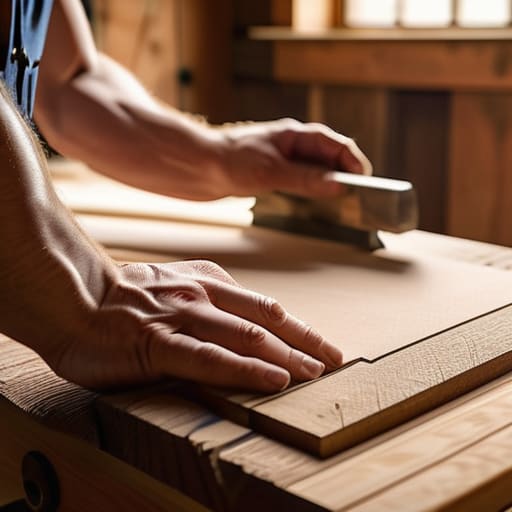
When I first left the high-pressure world of finance to dive into my own kitchen-turned-workshop, I made the classic mistake of thinking any flat surface would do. I quickly realized that if you want to actually enjoy the process, you need to find woodworking workbench plans that align with your specific vision. Are you looking to build a massive station for heavy sanding, or do you need a compact setup that fits into a corner of your spare room? Don’t just grab the first blueprint you see on Pinterest; think about your long-term goals. A plan that prioritizes a heavy duty workbench design might be overkill if you’re just starting out, but it’s a lifesaver if you plan on getting serious about joinery.
I also learned that a great workbench is about more than just the tabletop; it’s about how it supports your workflow. As I transitioned from analyzing spreadsheets to analyzing wood grain, I realized that integrating smart storage is what truly separates a hobbyist from someone who feels truly at home in their craft. Look for plans that incorporate clever workbench tool storage ideas so your essentials are always within reach, preventing that frustrating “where did I put my chisel?” moment.
Choosing Heavy Duty Workbench Design to Support Your Passion
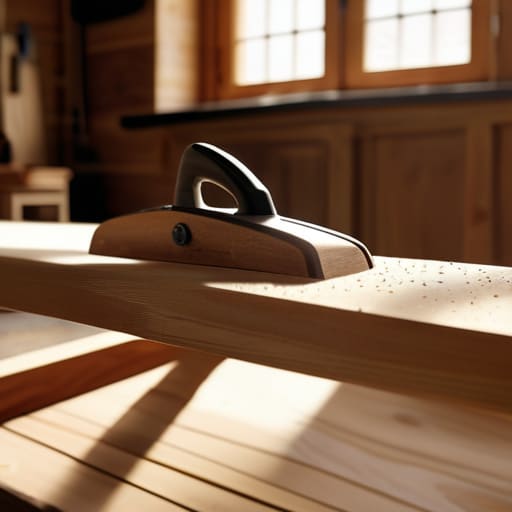
When you’re transitioning from a world of spreadsheets to a world of sawdust, you quickly realize that stability isn’t just a financial concept—it’s a physical one. If you’re planning on doing more than just light assembly, opting for a heavy duty workbench design is a non-negotiable investment in your future craft. I remember my first attempt at a makeshift table; every time I tried to sand a piece of oak, the whole thing danced across the floor like it was on ice. It was frustrating and, frankly, a waste of my time. You want a surface that stays put, providing a rock-solid foundation that allows you to focus on the precision of your work rather than wrestling with your furniture.
Think of your workbench as the “capital asset” of your workshop. Just as I used to advise clients to invest in high-quality infrastructure to ensure long-term growth, you should prioritize building a sturdy work table that can withstand the rigors of heavy sawing and clamping. A robust design doesn’t just support your tools; it supports your confidence. When you know your workspace won’t buckle under pressure, you’re free to push your creative boundaries and truly dive into the projects that make this journey so rewarding.
Smart Strategies for a Workbench That Works as Hard as You Do
- Budget like a pro by sourcing reclaimed timber; just as I used to hunt for undervalued stocks, looking for high-quality, pre-loved wood can save you a fortune without sacrificing structural integrity.
- Prioritize ergonomics to protect your most valuable asset—yourself—because a workbench that’s too high or too low will quickly turn your new creative outlet into a source of physical burnout.
- Don’t skimp on the joinery; think of the connections in your workbench like the foundation of a diversified portfolio—if the joints aren’t rock-solid, the whole structure is at risk when things get heavy.
- Incorporate modular storage early on so you aren’t constantly hunting for tools, allowing you to maintain a “flow state” that makes the transition from a busy workday to a creative hobby feel seamless.
- Leave room for growth in your design, much like how I planned my financial exit strategy, so that as your skills evolve from simple DIY to complex projects, your workspace can evolve right along with you.
Final Thoughts: Building More Than Just a Workspace
Don’t let the fear of a “perfect” setup stop you from starting; remember that your workbench is a living tool that will evolve alongside your skills and your passions.
Treat your project budget like a recipe—investing in quality materials for the foundation (like a heavy-duty frame) ensures you won’t have to “re-cook” the whole project later due to instability.
View this build as an investment in your personal sanctuary, creating a dedicated space where you can step away from the spreadsheets and truly dive into what makes you feel alive.
More Than Just Lumber and Nails
Building your own workbench isn’t just a DIY project; it’s about investing in the foundation of your creative life—creating a stable, reliable space where you can finally stop planning and start doing what truly makes you feel alive.
Rachel Anderson
Building Your Foundation
At the end of the day, constructing your own workbench is about much more than just following a set of blueprints or sourcing the right timber. We’ve walked through the importance of selecting a design that matches your specific vision, from finding those perfect plans to ensuring you have a heavy-duty structure that won’t wobble when you’re deep in the zone. Whether you chose a minimalist setup or a robust workstation, the goal was to create a reliable anchor for your creativity. Remember, the tools and the wood are just the ingredients; the real magic happens when you have a dedicated space where you feel completely in control of your craft.
If my transition from analyzing spreadsheets at a firm to scaling a culinary business has taught me anything, it’s that we all need a solid foundation to build our dreams upon. Sometimes that foundation is a financial safety net, and sometimes it’s a sturdy piece of furniture you built with your own two hands. Don’t let the fear of a messy process stop you from starting something meaningful. Take that leap, get a little sawdust on your clothes, and remember that investing in your passions is the highest return you will ever see. Now, grab your tools and go make something incredible!
Frequently Asked Questions
How much should I realistically budget for high-quality materials versus saving that money for other tools?
This is the classic “invest in the foundation vs. the accessories” dilemma! Coming from a finance background, I always say: don’t skimp on the assets that provide long-term stability. I’d recommend budgeting about 60% of your total funds toward high-quality lumber and hardware. A rock-solid workbench is your cornerstone; if it wobbles, every other tool you buy will feel less effective. Save the remaining 40% for those specialized tools that bring your vision to life.
Is it worth investing in a more expensive, pre-made design, or am I better off building something custom from scratch?
This is the classic “opportunity cost” dilemma I used to face in finance! If you’re tight on time and want a professional-grade foundation to launch your passion, investing in a high-quality pre-made design is a smart capital allocation. However, if you have a specific vision—like a custom height for ergonomic cooking or specialized tool storage—building from scratch offers a unique ROI. Personally, I love the custom route; there’s nothing quite like a workspace built specifically for your soul.
Since I’m working with a limited space, what are the best ways to make a heavy-duty workbench feel less intrusive in my home?
I totally get it—when you’re balancing a home office or a small kitchen with a new passion, space feels like a premium commodity. To keep your heavy-duty setup from feeling like an eyesore, I love using vertical storage or sleek, wall-mounted organizers to clear the surface clutter. You can even opt for a workbench with integrated shelving to maximize your footprint. It’s all about making your “passion station” feel like an intentional part of your home, not an intrusion.