I remember sitting in my old apartment in San Francisco, surrounded by spreadsheets and half-finished recipes, when a sudden, frantic knocking at my door sent my heart into my throat. It wasn’t a thief or a ghost, but a neighbor warning me about a faulty electrical outlet that had started sparking near my vintage cookbook collection. That moment of pure, unadulterated panic taught me that most home safety tips you find online are either way too expensive or incredibly patronizing. You don’t need a high-tech, integrated security system that costs more than my first year of culinary school just to feel actually secure in your own space.
I’m not here to sell you on overpriced gadgets or complicated security contracts that eat away at your monthly budget. Instead, I want to share the practical, no-nonsense approach I use to protect my sanctuary—the kind of advice that keeps your bank account healthy and your mind at ease. We’re going to dive into some realistic, budget-friendly strategies that focus on what really matters, so you can stop worrying about the “what-ifs” and get back to what you actually love doing.
Table of Contents
Securing Entry Points to Protect Your Most Precious Assets
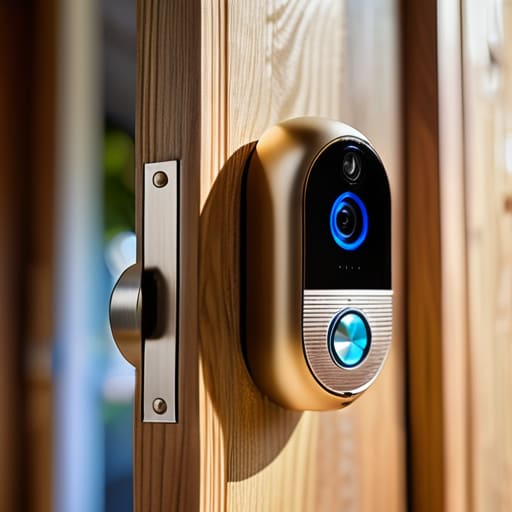
When I first transitioned from the high-stakes world of finance to running my own kitchen, I realized that “assets” aren’t just numbers on a spreadsheet—they’re the things and people that make our lives worth living. Just like I wouldn’t dream of leaving a high-end espresso machine unsecured in a busy cafe, you shouldn’t leave your home’s perimeter to chance. Securing entry points is really the foundation of your peace of mind. I’m a huge advocate for investing in smart home security systems because, let’s be honest, being able to check your front door from your phone while you’re out sourcing rare spices at the farmer’s market is a total game-changer for my anxiety levels.
It isn’t just about high-tech gadgets, though. Sometimes the best defense is the simplest one. I always tell my friends that upgrading to heavy-duty deadbolts or reinforcing your door frames is one of the smartest investments you can make. Think of it like diversifying your portfolio; you want multiple layers of protection so that if one fails, the others hold the line. By taking these small, proactive steps, you’re not just locking a door—you’re protecting your sanctuary so you can focus on the things that actually bring you joy.
Smart Home Security Systems for a Life Without Worry
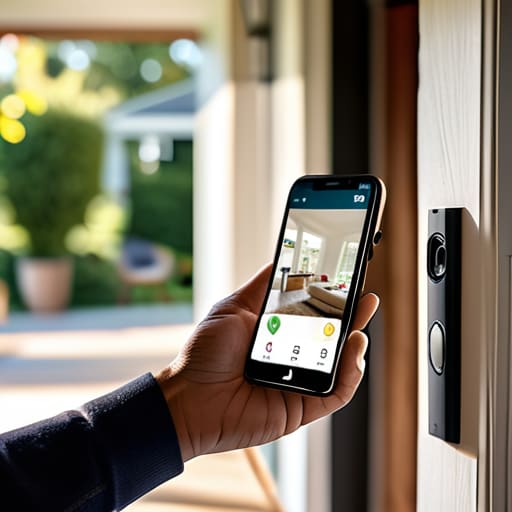
If there’s one thing my years in finance taught me, it’s that mitigating risk is much easier when you have the right tools in place. Transitioning from analyzing spreadsheets to managing a kitchen has made me realize that peace of mind isn’t just about a locked door; it’s about having visibility. Investing in smart home security systems is one of those rare instances where technology actually buys you back your mental bandwidth. Whether it’s a doorbell camera that lets me check on my deliveries while I’m sourcing ingredients at the farmer’s market, or sensors that alert my phone the second something feels off, these gadgets act as a digital safety net.
Beyond just deterring intruders, I’ve started looking at smart tech through the lens of comprehensive household management. For instance, smart smoke detectors and connected water sensors are absolute game-changers for preventing home accidents before they turn into expensive disasters. It’s not about being paranoid; it’s about being prepared. When you know your home is monitored, you can stop obsessing over “what ifs” and get back to what truly matters—like perfecting that new fusion recipe or planning your next big career move.
Small Tweaks for Big Peace of Mind
- Don’t let your mail pile up like a neglected sourdough starter; if you’re heading out for a weekend food tour, ask a neighbor to grab it so your house doesn’t scream “nobody’s home.”
- Light is your best friend, so invest in some motion-sensor floodlights—they’re much more effective at deterring unwanted visitors than any expensive gadget I’ve seen.
- Treat your landscaping like your kitchen organization: keep those bushes trimmed low around windows and doors so you don’t accidentally create a perfect hiding spot for someone.
- Get into the habit of a “lock-check” ritual every night, just like I check my recipe notes; it only takes ten seconds but ensures you can actually sleep without that nagging “did I?” feeling.
- If you’re traveling, use smart plugs to set your lamps on a timer, giving your home that lived-in glow that makes it look like you’re busy whipping up something delicious inside.
Protecting Your Peace (and Your Pocketbook)
Think of home security as a long-term investment; spending a little upfront on quality locks and smart tech is much cheaper than the emotional and financial cost of a break-in.
Don’t let high-tech gadgets overwhelm you—the best security system is one that actually fits your lifestyle and gives you real peace of mind when you’re out chasing your dreams.
Security isn’t just about hardware; it’s about creating a safe environment so you can stop worrying about the “what-ifs” and get back to what truly nourishes you, like experimenting with new recipes in your kitchen.
The True ROI of Peace of Mind
“In my old life as an analyst, I was obsessed with mitigating risk on a balance sheet. But I’ve learned that the most valuable investment you can make isn’t in a stock or a startup—it’s in securing your home, so you can stop worrying about the ‘what-ifs’ and start focusing on the life you’re actually building.”
Rachel Anderson
Securing Your Peace of Mind
At the end of the day, protecting your home isn’t just about installing the latest high-tech gadgets or reinforcing a window frame; it’s about creating a foundation of stability. By securing your entry points and leveraging smart technology, you are essentially performing a risk assessment on your personal sanctuary. Just like I learned back when I was analyzing market volatility in San Francisco, the goal is to minimize unpredictable variables so you can focus on growth. When you take these proactive steps to safeguard your physical space, you aren’t just buying hardware—you are investing in your own mental bandwidth.
I know that transitioning from a mindset of pure security to one of creative freedom can feel daunting, but it starts with knowing your home is a safe harbor. Once you’ve checked these safety boxes, you can stop worrying about the “what-ifs” and get back to the things that actually make life delicious—like perfecting a new fusion recipe or finally launching that passion project you’ve been dreaming about. Remember, true wealth is the ability to pursue your passions without fear. Build your fortress, then go out there and make your life beautiful.
Frequently Asked Questions
How can I balance the cost of high-end security tech with my monthly budget without feeling like I'm overspending?
Think of your home security like a well-balanced recipe: you don’t need the most expensive truffle oil to make a great dish. Instead of going all-in on a premium subscription, try a “phased investment” approach. Start with essential hardware—like a smart doorbell—and scale up as your budget allows. By treating security as a long-term capital expenditure rather than a monthly drain, you protect your peace of mind without compromising your culinary fund.
Are there any simple, low-cost DIY safety hacks for renters who can't make permanent changes to their homes?
I totally get it—renting can feel like you’re living in a bit of a security limbo since you can’t exactly drill into the walls. But don’t sweat it! I’ve found that small, non-permanent tweaks make a huge difference. Grab some heavy-duty door jammer bars or even simple window film for extra privacy. They’re super affordable, easy to install, and most importantly, they won’t cost you your security deposit when it’s time to move!
How much of a difference does it actually make to invest in professional monitoring versus just using a standard smart camera system?
Think of it like the difference between checking your bank balance on an app versus having a dedicated financial advisor. A smart camera is great for a quick glance, but professional monitoring is your safety net. It’s the difference between seeing a notification on your phone while you’re mid-sauté and having someone actually call the authorities if something goes wrong. For true peace of mind—and to protect your investment—that extra layer of professional oversight is worth every penny.