If there is one thing my transition from the high-stakes world of financial analysis to the chaotic, beautiful reality of culinary entrepreneurship has taught me, it’s that creativity is a muscle we have to flex every single day. Lately, I’ve been watching my own little ones navigate the world, and I realized that while I was busy balancing spreadsheets and perfecting sourdough starters, they were looking for ways to express themselves through something much more tactile. Finding meaningful kids craft ideas can feel like a daunting task when you’re juggling a million responsibilities, but it’s actually one of the most rewarding ways to bond and foster that essential sense of wonder.
In this post, I’m stepping away from the kitchen scale and the profit-and-loss statements to share five of my absolute favorite, low-stress projects. These aren’t just time-fillers; they are curated kids craft ideas designed to spark genuine imagination without requiring a PhD in arts and crafts or a massive budget. I promise you’ll walk away with a toolkit of activities that make playtime feel purposeful and incredibly joyful, proving that you don’t need a perfect setup to create something truly special.
Table of Contents
Edible Art with Fruit Kabobs
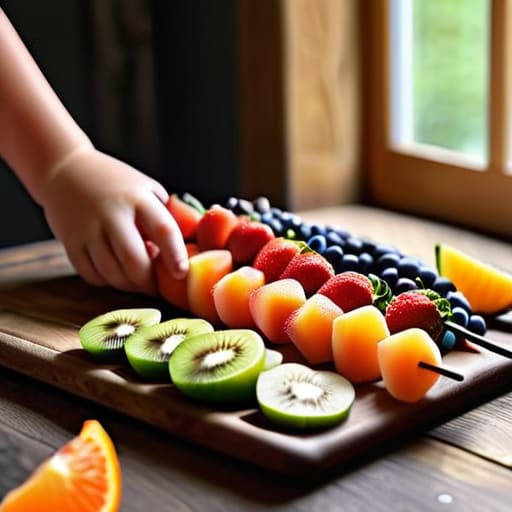
One of the biggest lessons I learned transitioning from the rigid world of finance to the messy, beautiful world of food is that creativity doesn’t always have to happen on a canvas. Sometimes, the best way to spark a child’s imagination is through something they can actually eat! Making fruit kabobs is a fantastic way to teach kids about colors and textures while letting them take full control of their culinary creations. It’s essentially a lesson in composition, much like how I used to look at market trends, but way more delicious.
DIY Spice Jar Labeling
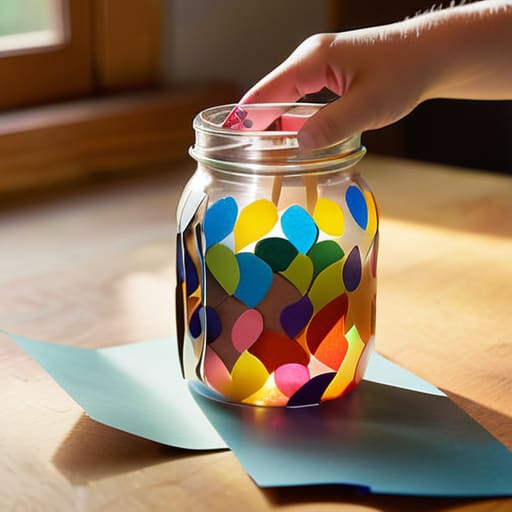
As someone who spends a lot of time organizing both spreadsheets and spice racks, I’ve realized that organization can actually be a form of play. If you have little ones who love to “help” in the kitchen, why not turn it into a lesson in design and literacy? Grab some plain glass jars and some colorful permanent markers or even some leftover scrap paper and glue. This activity helps them feel like they are part of the grown-up world, which is such a huge confidence booster for kids.
Recycled Cardboard Kitchen Sets
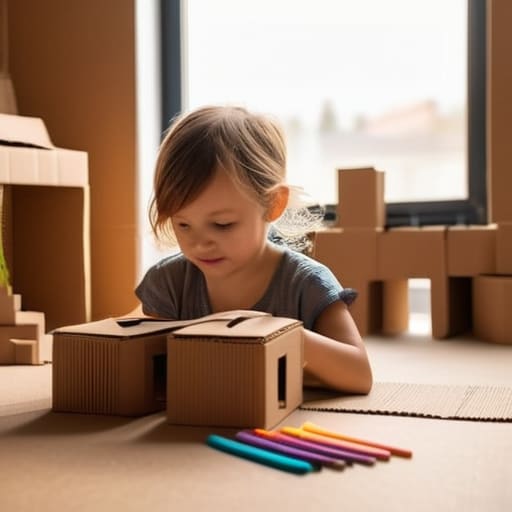
Back when I was crunching numbers in San Francisco, I was all about efficiency and maximizing resources. Now, as an entrepreneur, I see that same principle applied beautifully in crafting! Instead of buying expensive, plastic play sets, I love using what we already have in the recycling bin. Cardboard boxes are essentially a blank slate for a child’s architectural dreams, and they cost absolutely nothing, which is a win for any budget-conscious parent.
Homemade Pasta Dough Play
There is something incredibly grounding about working with flour and water; it’s almost meditative, much like the focus I used to find in deep financial analysis. For kids, making a “play dough” out of flour, salt, and water is a tactile experience that engages their senses in a way that screens simply can’t. It’s messy, it’s tactile, and it’s an absolute blast for little hands to squeeze and shape into whatever they can imagine.
The Great Recipe Scrapbook
One of my favorite hobbies is collecting vintage cookbooks, and I think it’s never too early to start a family tradition of documenting your own “flavor history.” You can create a simple scrapbook using a blank notebook where kids can draw pictures of their favorite meals or even “write” down their own imaginary recipes. This turns the concept of a recipe from a set of instructions into a living piece of art.
Final Thoughts: Finding the Sweet Spot Between Creativity and Chaos
Remember that the goal isn’t a perfect masterpiece; it’s about the messy, joyful process of creating something from scratch, much like perfecting a new recipe in the kitchen.
Don’t be afraid to invest in a few quality supplies—just like I learned when transitioning from spreadsheets to spices, having the right tools makes the adventure so much more rewarding.
Use these moments of play to nurture your child’s curiosity, proving that even in a busy, structured world, there is always room to make time for what truly nourishes the soul.
Finding the ROI in Messy Play
“Just like a well-balanced investment portfolio, a child’s creativity needs a little bit of risk and a lot of colorful chaos to truly grow; don’t be afraid to let the glitter fly, because the joy they build today is the most valuable asset they’ll ever own.”
Rachel Anderson
Making Memories One Craft at a Time
As we wrap up our little creative journey, I hope these ideas have given you a fresh perspective on how simple it can be to spark a child’s imagination. Whether you were diving into sensory play with homemade dough or exploring textures through recycled art, the goal wasn’t just to finish a project, but to foster a sense of unstructured discovery. Much like my own transition from the rigid spreadsheets of financial analysis to the unpredictable heat of a professional kitchen, these crafts remind us that the most beautiful results often come from a bit of planned spontaneity and a willingness to get our hands a little messy.
At the end of the day, remember that these moments are about so much more than just the finished product sitting on your fridge. It is about the laughter shared over a glue stick and the quiet pride in a child’s eyes when they realize they created something from nothing. Life moves incredibly fast—I know how easy it is to get caught up in the grind of career goals and financial planning—but don’t forget to invest in these small, joyful connections. Let these creative outlets be your reminder to slow down, embrace the chaos, and find the magic in the everyday.
Frequently Asked Questions
How can I keep these craft activities budget-friendly without sacrificing the quality of the experience?
Think of this like meal prepping: it’s all about the smart substitutions! Just as I learned to pivot from expensive gourmet ingredients to high-quality pantry staples in my finance days, you can do the same with crafts. Scour thrift stores for unique supplies or raid your recycling bin for “found objects” like cardboard and jars. By focusing on creativity rather than expensive kits, you’re teaching your kids that value comes from imagination, not the price tag.
What are some ways to encourage creativity in kids without getting too overwhelmed by the inevitable mess?
Honestly, I get it—the mess can feel like a chaotic expense you didn’t budget for! To keep the creativity flowing without the cleanup headache, I love “contained” crafts. Think watercolor palettes with limited water, or even a dedicated “mess tray” for playdough. It’s all about setting boundaries, much like a good financial plan. You’re providing the structure so their imagination can run wild without drowning your kitchen in glitter!
Are there specific crafts that can help teach children about patience and the value of working toward a goal?
That is such a profound question, and honestly, it hits home for me. In my old finance days, I learned that the best returns come from long-term patience, not instant gratification. For kids, try something like tie-dye or even growing a small herb garden from seeds. These require waiting and consistent care before you see that “reward.” It’s a beautiful way to teach them that the most delicious results often require a little bit of time and steady effort.