I still remember the stinging, chemical scent that used to cling to my clothes after a long weekend of deep-cleaning my first tiny apartment. Back when I was grinding away as a financial analyst, I thought “clean” meant a house that smelled like a laboratory—harsh, artificial, and frankly, expensive. I was spending a fortune on boutique, eco-labeled sprays that promised the world but mostly just drained my bank account. It turns out, most of those high-end brands are just overpriced water with fancy marketing, and you don’t need a chemistry degree or a massive budget to master the art of diy cleaning products.
I’m not here to give you a list of complicated, twenty-step recipes that require ingredients you can’t find at a local grocery store. Instead, I want to share the streamlined, cost-effective methods I’ve perfected while balancing my kitchen startup and my love for a tidy, soulful home. We’re going to dive into how you can create powerful diy cleaning products using simple pantry staples that actually work. My goal is to help you reclaim your time and your money, proving that a sparkling home can be both sustainable and incredibly smart for your bottom line.
Table of Contents
- Safe Cleaning for Pets and Kids Protecting Your Most Precious Joys
- Cost Effective Cleaning Hacks to Fund Your Next Culinary Adventure
- My Minimalist Pantry Staples: 5 Essentials to Keep Your Kitchen Sparkling
- Small Swaps, Big Rewards: My Top Lessons
- The Recipe for a Conscious Home
- Small Changes, Big Flavors of Life
- Frequently Asked Questions
Safe Cleaning for Pets and Kids Protecting Your Most Precious Joys

One of the biggest shifts I made when I stepped away from the corporate grind was becoming much more intentional about what I brought into my home. When you’re chasing big dreams, your home should be your sanctuary, not a place where you’re constantly worrying about what your toddler is touching or where your pup is licking the floor. This is why I’ve become such a huge advocate for safe cleaning for pets and kids. Traditional cleaners often hide a cocktail of harsh chemicals that just don’t sit right with me anymore.
Instead of holding my breath every time I mop, I’ve leaned heavily into non-toxic household cleaners that I can whip up in minutes. Using simple staples like vinegar and baking soda isn’t just a budget-friendly move—it’s a peace-of-mind move. If I want to add a little bit of luxury to the process, I’ll drop in some lavender or lemon essential oils to give the house that fresh, spa-like scent without the synthetic fragrance. It’s all about creating a space that feels as nourishing and safe as a Sunday morning brunch.
Cost Effective Cleaning Hacks to Fund Your Next Culinary Adventure
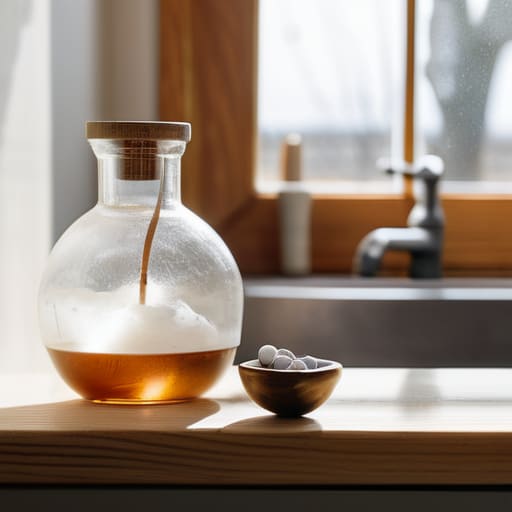
Here is my favorite part: treating your cleaning budget like a mini-investment portfolio. When I was working as a financial analyst, I was obsessed with optimizing every line item, and honestly, I still apply that logic to my kitchen pantry. Instead of dropping a fortune on those fancy, branded sprays, I’ve realized that vinegar and baking soda cleaning can do almost everything for a fraction of the cost. By pivoting to these staples, the money I save isn’t just disappearing into a trash can—it’s being redirected into my “adventure fund.”
Think of it this way: every dollar you don’t spend on overpriced, synthetic detergents is another dollar toward that high-quality saffron or a weekend trip to a new farmers’ market. I love using eco-friendly cleaning solutions because they are gentle on my home and my wallet, allowing me to keep my eyes on the bigger picture. It’s all about making those small, intentional shifts that eventually fund the big, delicious dreams we’re all working toward.
My Minimalist Pantry Staples: 5 Essentials to Keep Your Kitchen Sparkling
- Stock up on white vinegar—it’s the ultimate multitasker. Much like a versatile ingredient like miso, a little goes a long way in cutting through grease and neutralizing odors without breaking your budget.
- Grab some baking soda for those stubborn, burnt-on spots. I like to think of it as the “heavy lifter” of the cleaning world; just add a bit of water to create a paste that tackles grime better than most expensive store-bought scrubs.
- Don’t overlook lemon juice for a natural boost. The citric acid is incredible for polishing faucets and adding a fresh, bright scent to your space that feels way more uplifting than synthetic “ocean breeze” fragrances.
- Invest in a high-quality essential oil collection. Whether it’s lavender for a calming vibe or eucalyptus for a deep clean, a few drops can turn a chore into a sensory experience that feels like a mini spa day.
- Keep a spray bottle of castile soap handy. It’s the perfect, gentle all-purpose cleaner that won’t leave behind any nasty residues, ensuring your counters are safe for everything from meal prep to afternoon snacks.
Small Swaps, Big Rewards: My Top Lessons
Prioritize safety without sacrificing strength; by ditching harsh synthetics for pantry staples like vinegar and baking soda, you’re protecting your family and your peace of mind.
View DIY cleaning as a micro-investment; every dollar you save on overpriced commercial sprays is a dollar that can go straight into your “passion fund,” whether that’s a new vintage cookbook or a high-end chef’s knife.
Embrace the simplicity of the process; you don’t need a laboratory to achieve a sparkling home—just a few basic ingredients and the confidence to take control of your household budget.
The Recipe for a Conscious Home
“Think of DIY cleaning like a well-balanced fusion recipe: you’re swapping out those harsh, expensive chemicals for simple, natural ingredients that actually work, saving you money for your next big dream without compromising the sanctuary you’ve built for your family.”
Rachel Anderson
Small Changes, Big Flavors of Life
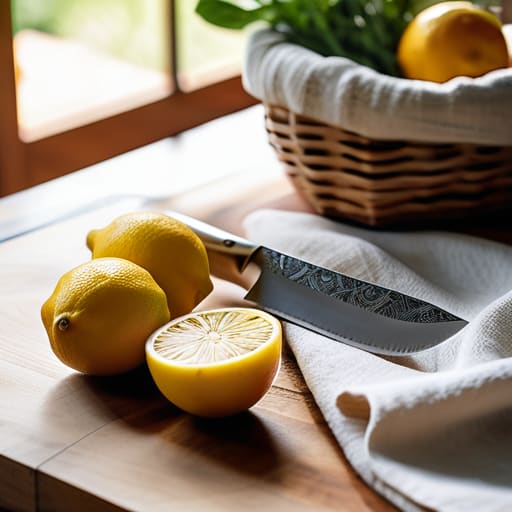
At the end of the day, switching to DIY cleaning products isn’t just about scrubbing surfaces; it’s about making intentional choices that ripple through every part of your life. We’ve looked at how these simple swaps create a safer sanctuary for our little ones and pets, and how the money you save by ditching expensive, branded cleaners can be reallocated toward those culinary dreams—whether that’s a high-end chef’s knife or a weekend trip to a local farmers market. By taking control of what we use in our homes, we are essentially optimizing our domestic economy, proving that being mindful of our surroundings and our wallets can go hand in hand.
I know that transitioning from the structured, predictable world of spreadsheets to the beautiful chaos of entrepreneurship (and even just changing your household habits) can feel overwhelming. But remember, every big transformation starts with a single, small decision. Whether you are balancing a corporate budget or experimenting with a new vinegar-based surface cleaner, you are building a life that is authentically yours. Don’t be afraid to take that leap, trust your instincts, and keep searching for that perfect harmony between financial stability and soulful living. Now, go clear those counters and get ready to cook something amazing!
Frequently Asked Questions
Are there any specific DIY ingredients I should avoid mixing to ensure they stay safe and effective?
This is where we have to put our “analyst brains” on! Just like you wouldn’t mix volatile assets in a portfolio, don’t mix these cleaning ingredients. Never combine vinegar with bleach—it creates toxic chlorine gas. Also, avoid mixing hydrogen peroxide with vinegar in the same bottle; it produces peracetic acid, which can irritate your skin and lungs. Stick to one powerful, natural base at a time to keep your kitchen safe and your budget intact!
How long can these homemade solutions actually last before they lose their potency or go bad?
Since we aren’t using those heavy-duty synthetic preservatives found in store-bought bottles, think of these DIY cleaners more like a fresh batch of pesto—they’re best when they’re fresh! Generally, most vinegar or citrus-based sprays will stay potent for about two to four weeks. If you’re using something with essential oils, try to use it within a month. When in doubt, if it smells “off,” it’s time to whip up a new batch!
Can I use these natural cleaners on delicate surfaces like marble countertops or high-end stainless steel appliances?
That is such a great question! When you’re investing in a beautiful kitchen—whether it’s those stunning marble counters or high-end stainless steel—you want to protect that investment. For marble, please skip the vinegar or lemon; the acidity can actually etch the stone. Stick to a pH-neutral soap and warm water. For stainless steel, a tiny bit of olive oil on a microfiber cloth works wonders for a streak-free shine without the harsh chemicals!