I still remember sitting at my old kitchen table in San Francisco, trying to crunch quarterly projections for a major firm while the smell of toasted sourdough drifted from the oven and my neighbor’s construction project rattled my teeth. I was trying to be a “serious professional,” but my workspace was a chaotic mess of spreadsheets and half-empty coffee mugs. Most of the advice you see online about home office setup ideas feels like it’s written for people with unlimited budgets and zero real-world distractions, pushing these ultra-minimalist, aesthetic setups that look great on Instagram but completely fail the moment you actually need to get work done.
I’m not here to tell you that you need a $2,000 ergonomic chair or a designer desk to be successful. Instead, I want to share how you can build a space that actually supports your hustle without draining your savings account. We’re going to dive into practical, experience-based strategies to create a sanctuary that fuels your creativity and keeps your focus sharp. Let’s figure out how to design a workspace that balances your professional ambitions with the realities of your daily life.
Table of Contents
- Creating a Productive Remote Work Environment You Love
- Minimalist Workspace Design to Clear Your Mind and Soul
- Small Tweaks for a Big Impact: My Personal Setup Essentials
- Making Your Space Work for Your Dreams
- Investing in Your Creative Sanctuary
- Designing a Space for Your Future Self
- Frequently Asked Questions
Creating a Productive Remote Work Environment You Love
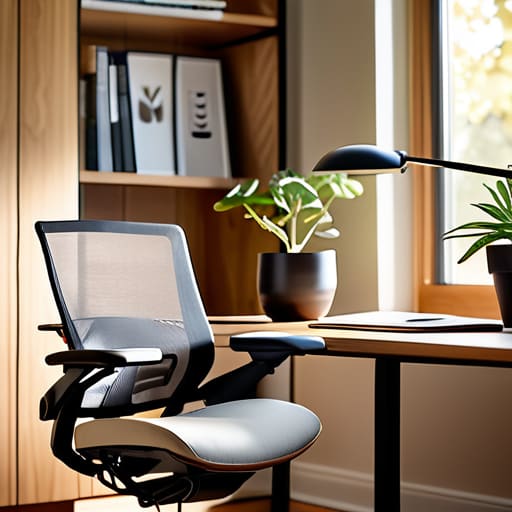
When I first transitioned from the high-rise offices of San Francisco to working from my own kitchen table, I quickly realized that passion alone doesn’t sustain a long workday—comfort does. If you’re serious about making this pivot, you need to invest in a productive remote work environment that respects your body as much as your ambition. For me, that meant finally prioritizing the ergonomic desk chair benefits I used to overlook during my analyst days. There is nothing that kills a creative flow faster than a nagging backache, so don’t skimp on the foundation of your setup.
Beyond the physical support, I’ve found that the visual clutter of my life—like those beautiful, heavy vintage cookbooks I love—can sometimes become a distraction if they aren’t tucked away. I’ve leaned heavily into small space office organization to keep my professional tools separate from my culinary inspirations. By creating a clear boundary between “finance mode” and “chef mode,” even in a tiny apartment, I’ve managed to keep my focus sharp and my stress levels low. It’s all about designing a sanctuary that actually fuels your drive rather than draining it.
Minimalist Workspace Design to Clear Your Mind and Soul
When I first transitioned from the high-stakes world of financial analysis to my kitchen-based business, my desk was a chaotic mess of spreadsheets, recipe drafts, and half-empty coffee mugs. It felt like my brain was constantly running too many tabs at once. I realized that a cluttered desk leads to a cluttered mind, which is the absolute enemy of creativity. Embracing a minimalist workspace design isn’t about having a sterile, empty room; it’s about intentionally choosing what earns a spot on your desk and what stays in storage.
To find that sweet spot, I started focusing on small space office organization techniques that prioritize function over fluff. I cleared away the non-essentials and invested in a few high-quality pieces that actually serve a purpose. For me, that meant swapping my mismatched dining chair for something that offered real support—honestly, understanding the ergonomic desk chair benefits was a total game-changer for my focus during long afternoons of menu planning. When you strip away the visual noise, you finally create the mental breathing room needed to dream big and execute even bigger.
Small Tweaks for a Big Impact: My Personal Setup Essentials
- Invest in “The Foundation”—I know, it sounds like something a financial analyst would say, but your body will thank you. A high-quality ergonomic chair isn’t just a luxury; it’s an investment in your long-term health so you aren’t spending your evening in pain instead of cooking a delicious dinner.
- Layer Your Lighting to Match Your Mood. Harsh overhead lights are the ultimate creativity killer. I love mixing a bright task lamp for those heavy spreadsheet sessions with a warm, dimmable floor lamp to transition the vibe when I’m shifting from “work mode” to “passion project mode.”
- Curate a “Sensory Station.” Since I work from home, I’ve learned that productivity isn’t just about what you see. Keep a high-quality candle or an essential oil diffuser nearby; a scent like rosemary or citrus can actually help sharpen your focus when the afternoon slump hits.
- Bring the Outside In. My vintage cookbook collection takes up a lot of shelf space, but I always make sure there’s room for a few thriving plants. Adding greenery isn’t just about aesthetics; it literally breathes life into a sterile corner and keeps the air feeling fresh.
- The “Snack & Hydration” Strategy. Don’t let a blood sugar crash derail your most productive hour. Set up a dedicated, organized area for your water carafe and healthy snacks. It keeps you from wandering into the kitchen every twenty minutes and helps you maintain that steady flow state.
Making Your Space Work for Your Dreams
View your workspace as a long-term investment in your mental clarity rather than just another monthly expense.
Curate an environment that balances professional discipline with personal joy—think ergonomic support paired with your favorite sensory comforts.
Remember that a decluttered desk isn’t just about aesthetics; it’s about creating the cognitive breathing room needed to transition from “employee” to “entrepreneur.”
Investing in Your Creative Sanctuary
“Think of your home office not just as a place where you clock in, but as a strategic investment in your most valuable asset: your focus. Whether you’re crunching numbers or perfecting a new recipe, a workspace that honors your passion is what turns a daily grind into a meaningful pursuit.”
Rachel Anderson
Designing a Space for Your Future Self
At the end of the day, building your dream home office isn’t just about finding the right ergonomic chair or picking out a sleek, minimalist desk; it’s about intentionally designing an environment that supports your highest ambitions. We’ve talked about how a productive setup can streamline your workflow and how a clutter-free space can quiet the mental noise that often comes with remote work. Whether you are crunching numbers for a side hustle or drafting a business plan for your future culinary empire, your workspace acts as the foundation for your focus. Remember, your environment is a direct reflection of how much you value your own time and energy.
As you start making these changes, don’t feel like you have to achieve perfection overnight. Just like perfecting a complex fusion recipe, the best results often come from small, thoughtful adjustments made over time. Treat your workspace as a living project—one that evolves alongside your career and your passions. You deserve a space that doesn’t just hold your laptop, but actually fuels your soul and makes you excited to wake up every morning. So, go ahead, grab that plant, clear that desk, and start building a sanctuary where your biggest dreams can finally take root.
Frequently Asked Questions
How can I create a professional-looking workspace for video calls without spending a fortune on decor?
Honestly, you don’t need a designer budget to look polished on camera. I used to think I needed a high-end studio, but it’s really about intentionality. Start by positioning yourself facing a window—natural light is free and makes everyone look better! Then, curate a “background vignette.” A single well-placed plant or a neat stack of those vintage cookbooks I love adds character without looking cluttered. Keep it simple, clean, and uniquely you.
Is it possible to design a home office that feels cozy and inspiring rather than cold and corporate?
Oh, absolutely! I used to think a “professional” space had to look like a sterile cubicle, but that’s a recipe for burnout. To avoid that cold, corporate vibe, think about layering in textures and warmth. Bring in a soft rug, a few lush plants, and maybe a scented candle that smells like a cozy kitchen. It’s about creating a sanctuary that fuels your creativity, not just a place where you clock in.
How do I balance a functional desk setup with the need for a space that still feels like a home and not just a cubicle?
Think of your desk as a fusion recipe—it needs the right ingredients to work, but it shouldn’t feel clinical. I love mixing “professional” with “personal.” Keep your tech functional, but soften the edges with things that ground you. Maybe it’s a ceramic mug from your favorite local cafe, a small herb plant, or even one of my vintage cookbooks propped up for inspiration. If it smells good and looks cozy, it’s a home, not a cubicle.