I remember sitting on the floor of my first tiny San Francisco studio, surrounded by half-unpacked boxes and a stack of old economics textbooks, feeling completely untethered. The air felt sterile, the lighting was aggressively fluorescent, and despite having a stable paycheck, I felt utterly uninspired. I realized then that knowing how to balance a spreadsheet doesn’t mean you know how to build a sanctuary. Most “decorating” advice tells you that you need to drop thousands on minimalist Scandinavian furniture to achieve that perfect aesthetic, but let’s be real: a cold, museum-like apartment isn’t a home, it’s just an expensive showroom. Learning how to make your home cozy isn’t about following a trend or emptying your savings account; it’s about infusing your space with the same warmth and soul you put into a slow-simmered ragu.
In this post, I’m stripping away the influencer fluff to give you a practical, budget-conscious roadmap to comfort. I want to show you how to curate a space that supports both your professional hustle and your much-needed downtime. We’re going to talk about sensory layers, meaningful textures, and how to create a vibe that feels as nourishing as a home-cooked meal without breaking your financial goals.
Table of Contents
- Creating a Cozy Atmosphere Through Intentional Sensory Home Decor Tips
- The Minimalist Cozy Aesthetic for a Focused and Peaceful Mind
- Investing in Comfort: 5 Ways to Curate a Space That Feels Like a Warm Hug
- Final Thoughts: Building a Space That Fuels Your Ambition and Your Peace
- The ROI of Comfort
- Bringing It All Home
- Frequently Asked Questions
Creating a Cozy Atmosphere Through Intentional Sensory Home Decor Tips
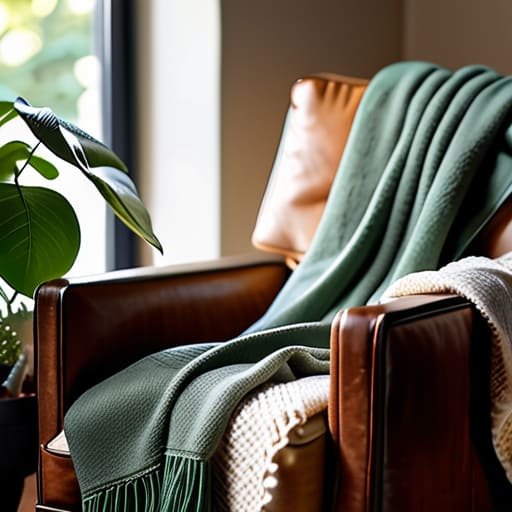
When I first transitioned from the high-pressure world of finance to my own kitchen, I realized that my environment dictated my mental clarity. If my workspace was sterile, my creativity felt blocked. To truly master creating a cozy atmosphere, you have to think beyond just how a room looks; you have to consider how it feels. I always start with light. Ditch those harsh overhead fluorescents that remind you of a corporate office and instead lean into warm lighting for living rooms. Think floor lamps with soft linen shades or even a few well-placed dimmers. It’s about mimicking that golden hour glow that makes you want to slow down and actually breathe.
Next, let’s talk about texture. In my house, comfort is a non-negotiable investment. I’m a huge advocate for layering different textiles for home comfort—think a chunky knit throw tossed over a velvet armchair or a soft jute rug underfoot. These tactile elements ground the space. To round out the experience, don’t forget the olfactory layer. Lighting a few scented candles for relaxation, perhaps something with notes of sandalwood or vanilla, acts as a sensory signal to your brain that the workday is officially over.
The Minimalist Cozy Aesthetic for a Focused and Peaceful Mind
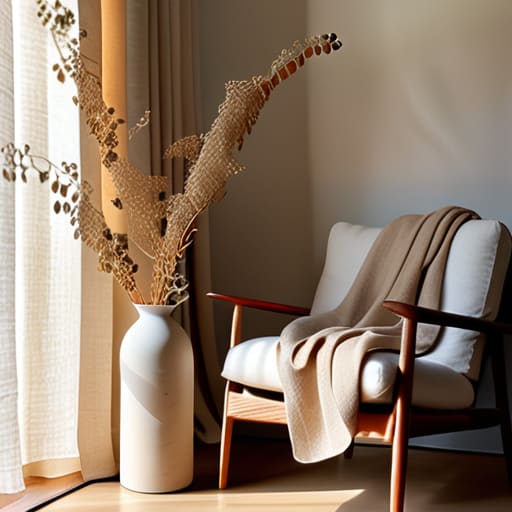
When I first transitioned from the high-octane world of financial analysis to the more tactile life of a culinary entrepreneur, I quickly realized that my physical environment directly impacted my mental clarity. In my old life, “minimalism” meant a clean spreadsheet; now, it’s about curating a space that breathes. Adopting a minimalist cozy aesthetic doesn’t mean living in a cold, sterile white box. Instead, it’s about the intentional selection of pieces that serve a purpose while providing warmth. By stripping away the visual noise—the clutter of old mail or uninspired knick-knacks—you create a canvas that allows your mind to rest and your creativity to flourish.
To pull this off without losing that sense of comfort, I focus heavily on quality over quantity. Rather than filling a room with various trinkets, I invest in high-quality textiles for home comfort, like a chunky wool throw or linen pillows in earthy tones. This approach ensures that every item in your view is something you actually love. When your space is uncluttered, you can focus on the small, meaningful details that truly ground you, making your home a sanctuary for both your big ambitions and your quietest moments.
Investing in Comfort: 5 Ways to Curate a Space That Feels Like a Warm Hug
- Layer your lighting like you layer flavors in a complex sauce; ditch the harsh overhead lights for a mix of warm floor lamps and soft candlelight to create a glow that instantly lowers your cortisol levels.
- Prioritize high-quality textiles that feel good against your skin, because much like a well-tailored suit or a premium ingredient, a heavy linen throw or a velvet cushion is a small investment that pays massive dividends in daily comfort.
- Bring the outside in with lush greenery to breathe life into your corners, creating a natural sanctuary that reminds you to slow down and reconnect with the world beyond your spreadsheets.
- Dedicate a specific “nook” for your passions—whether it’s a reading chair tucked next to a bookshelf or a small table for your morning coffee—to signal to your brain that it’s time to transition from “hustle mode” to “soul mode.”
- Curate a “sensory signature” for your home using scents like sandalwood or vanilla, ensuring that the moment you walk through the door, your environment immediately cues your mind to relax and recharge.
Final Thoughts: Building a Space That Fuels Your Ambition and Your Peace
Remember that coziness isn’t just about aesthetics; it’s about creating a sensory sanctuary that allows you to decompress after a high-stakes workday and recharge your creative batteries.
Don’t feel pressured to overhaul your entire home at once—think of it like scaling a new recipe, where small, intentional changes in lighting or texture can yield huge results for your mental well-being.
Use your home as a foundation for your personal growth, ensuring your environment supports both the disciplined focus needed for your career and the soulful relaxation required to pursue your true passions.
The ROI of Comfort
“Just like a perfectly balanced recipe or a well-diversified portfolio, a cozy home isn’t about excess; it’s about investing in the small, intentional details that yield the highest return on your peace of mind.”
Rachel Anderson
Bringing It All Home
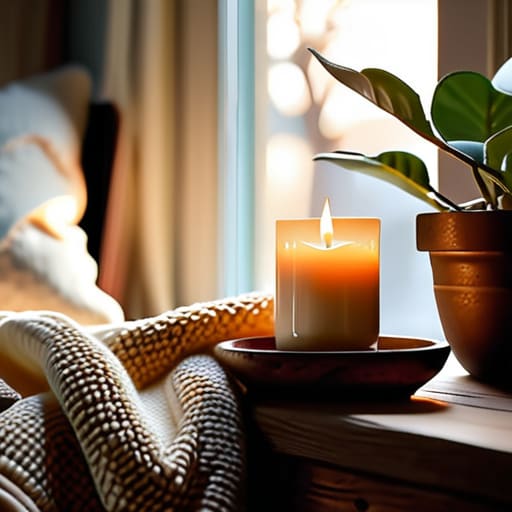
At the end of the day, making your home cozy isn’t about following a strict set of design rules or buying every trendy item you see on social media. It’s about the intentionality behind your choices—whether that’s layering textures to create a sensory sanctuary, embracing a minimalist aesthetic to clear your mental clutter, or simply lighting a candle that reminds you of a favorite memory. By focusing on how a space actually feels rather than just how it looks, you create an environment that supports both your professional ambitions and your personal peace. Remember, a well-curated home is a foundational investment in your own well-being and productivity.
As I transition from spreadsheets to sourdough, I’ve learned that the most important thing you can cultivate is a space that feels authentically yours. Your home should be the soft landing spot that allows you to recharge so you can go out and chase those big, scary, beautiful dreams. Don’t feel like you have to overhaul everything overnight; just start with one small, soulful change that makes you smile when you walk through the door. Life is far too short to live in a space that doesn’t nourish your spirit, so go ahead and make it your own.
Frequently Asked Questions
How can I create a cozy, inviting atmosphere without spending a fortune on new furniture or decor?
Honestly, you don’t need a massive budget or a complete overhaul to shift the energy of your space. I always say, it’s about the “soul” of the room, not the price tag. Start by rearranging what you already own to create more intimate conversation nooks, or thrift some vintage textiles to add warmth. Even something as simple as dimming the lights and using candles can transform a sterile room into a sanctuary that feels incredibly nourishing.
Is it possible to maintain a cozy, "lived-in" feel while still keeping my home organized enough to stay productive?
Oh, I get this question all the time! Honestly, I used to struggle with this when I was still in my finance days—I felt like I had to choose between a sterile, productive desk and a warm, soulful living room. But here’s the secret: organization isn’t about perfection; it’s about flow. Think of it like a well-run kitchen. You need your tools accessible and tidy to cook, but the warmth comes from the spices and the worn wooden spoon. Aim for “functional coziness.”
How do I balance making my space feel warm and snug without it becoming cluttered or overwhelming to my mental space?
Think of it like balancing a complex recipe: you need the rich, heavy flavors of comfort, but too much can overwhelm the palate. To avoid “clutter fatigue,” I follow the rule of intentionality. Instead of gathering random knick-knacks, choose a few high-quality, soulful pieces—like that vintage cookbook I just found or a single, heavy linen throw. Focus on textures and warmth rather than volume. If it doesn’t add peace or purpose, leave it out.