I’ll never forget the first time I tried to host a dinner party in my tiny San Francisco studio after a week of experimenting with heavy garlic and fermented chili pastes. I had spent a fortune on high-end, designer scented candles, thinking they’d mask the scent, but all they did was create this bizarre, nauseating hybrid of expensive sandalwood and pungent garlic. It was a total disaster, and it taught me a hard lesson: masking a smell isn’t the same as solving the problem. If you’re tired of throwing money at fancy sprays just to learn how to get rid of household odors for more than five minutes, believe me, I’ve been there.
I’m not here to sell you on some overpriced, chemical-laden air freshener that just adds more junk to your home. Instead, I want to share the practical, budget-friendly methods I’ve learned from years of cooking in tight spaces and managing my own culinary business. We’re going to dive into real, science-backed solutions that actually neutralize scents at the source, so you can get back to what matters: enjoying your space and the delicious food you create in it.
Table of Contents
Kitchen Odor Neutralization for the Passionate Cook
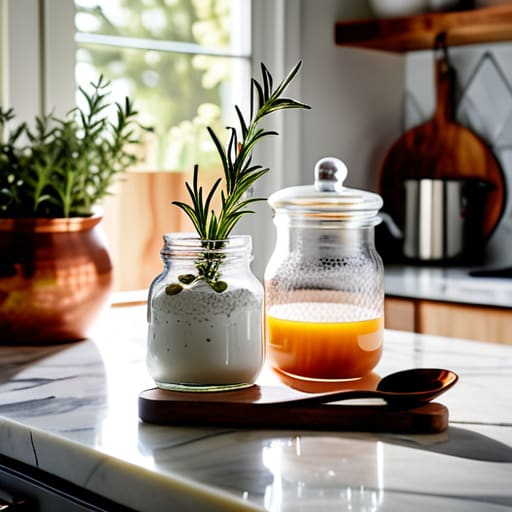
If you’re anything like me, your kitchen is the heart of your home—it’s where the magic happens, from searing scallops to simmering a complex reduction. But let’s be real: that magic often leaves behind a lingering scent of garlic or fried fish that refuses to leave the party. To tackle this, I’ve found that kitchen odor neutralization works best when you approach it like a recipe. Instead of reaching for those heavy, synthetic sprays that clash with your expensive spices, try a simple baking soda odor absorber tucked away near your stovetop or inside the pantry. It’s a low-cost, high-impact way to keep things fresh without breaking the bank.
For a more sensory experience, I love experimenting with a natural air freshener DIY using citrus peels and a few sprigs of rosemary simmered in a small pot of water. It’s essentially a way of improving indoor air quality while making your space smell like a high-end bistro. It’s all about finding that sweet spot where your home feels clean, inviting, and ready for your next culinary adventure.
A Baking Soda Odor Absorber for Effortless Living
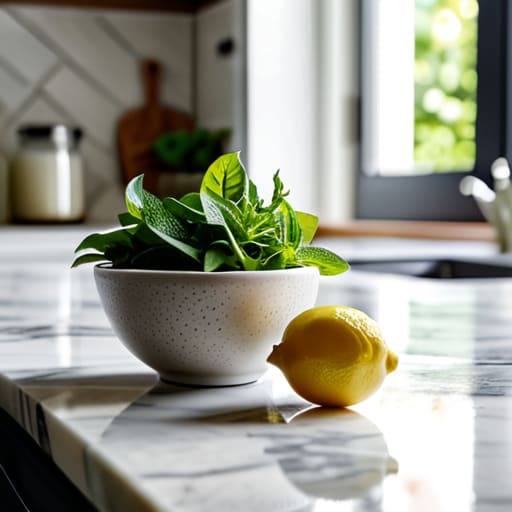
If you’re anything like me, your kitchen is the heart of your home, but sometimes that heart can leave behind a lingering scent of last night’s garlic sauté or yesterday’s fish fry. When I was still working in finance, I used to rely on those heavy, synthetic sprays that felt more like a chemical mask than a real solution. Now, I swear by a much more elegant approach: the baking soda odor absorber. It’s one of those simple, budget-friendly hacks that fits perfectly into a life that values both efficiency and wellness.
To make this a true natural air freshener DIY, I love taking a small mason jar, filling it halfway with baking soda, and adding a few drops of my favorite lavender or lemon essential oils. It’s a tiny investment for a huge payoff in improving indoor air quality. You can tuck these little jars into pantries, near trash bins, or even inside the fridge. It’s not just about masking smells; it’s about creating a clean, intentional space where you can actually focus on the joy of your next culinary masterpiece without any olfactory distractions.
Fresh Air and Simple Fixes: My Top 5 Hacks for a Scent-Sational Home
- Open those windows! I know, it sounds basic, but a little cross-ventilation is the fastest way to flush out that “leftover curry” smell. Let a bit of San Francisco breeze through your space to reset the atmosphere naturally.
- Don’t underestimate the power of white vinegar. If you’ve been simmering something particularly pungent, keep a small bowl of vinegar on the counter; it’s a natural odor neutralizer that works wonders without the heavy artificial fragrances.
- Invest in some high-quality essential oil diffusers. Instead of those chemical-heavy sprays that remind me of my old cubicle, I love using citrus or eucalyptus oils to create a spa-like vibe that actually feels clean.
- Clean your garbage disposal regularly. Since I do a lot of prep work in my kitchen, I’ve learned that a quick grind of some ice cubes and lemon peels can keep that drain smelling fresh rather than funky.
- Refresh your textiles. Fabric acts like a sponge for smells, so occasionally steaming your curtains or giving your throw pillows a quick spritz of a DIY lavender water can make your whole living area feel brand new.
Quick Wins for a Fresh-Smelling Home
Focus on the source first—whether it’s a lingering garlic scent or a trash bin mishap, tackling the root cause is more effective than just masking it with a heavy candle.
Keep a little baking soda on hand; it’s a budget-friendly, non-toxic way to absorb odors in the fridge or pantry without breaking your grocery budget.
Think of air quality as part of your kitchen’s “mise en place”—a clean, fresh-smelling environment makes the actual process of cooking so much more enjoyable.
Creating a Sensory Sanctuary
“Your home should be a place that feeds your soul, not one that overwhelms your senses; clearing out those lingering cooking smells isn’t just about cleanliness, it’s about making room for the fresh, delicious aromas of your next great culinary adventure.”
Rachel Anderson
Savoring a Fresh Start
At the end of the day, managing your home’s scent is a lot like managing a budget or a new recipe: it’s all about the small, consistent actions that yield big results. Whether you’re tackling heavy garlic aromas in the kitchen with targeted neutralization or keeping things breezy with a simple, low-cost baking soda absorber, these steps ensure your space remains a sanctuary. We’ve covered how to move beyond just masking smells and instead focus on truly neutralizing them, allowing your home to feel as clean and organized as a well-kept ledger. By staying proactive, you prevent those lingering scents from ever becoming a permanent resident in your living space.
As I look back on my own journey from the high-stakes world of finance to the sensory-rich life of a culinary entrepreneur, I’ve learned that the details really do matter. A fresh-smelling home isn’t just about cleanliness; it’s about creating an environment where you can pursue your passions without distraction. When your surroundings feel light and inviting, you have more mental energy to focus on what truly brings you joy—be it mastering a complex soufflé or planning your next big career move. So, clear the air, breathe deep, and get back to making the delicious, meaningful life you deserve.
Frequently Asked Questions
Are there any natural ways to eliminate smells without using harsh chemicals that might affect the flavor of my food?
I totally get that concern—the last thing I want is for my delicate saffron risotto to end up tasting like a lemon-scented cleaning spray! Stick to the basics: activated charcoal is a total lifesaver for pulling scents out of the air without any residue. You can also simmer a pot of water with cinnamon sticks or vanilla beans. It creates a gorgeous, natural aroma that feels like a warm hug rather than a chemical blast.
How can I prevent deep-seated odors from lingering in my upholstery or curtains after a big dinner party?
After a big dinner party—especially if you’ve been experimenting with something bold like a spicy Thai curry or a heavy garlic roast—those scents love to cling to fabrics. To tackle deep-seated odors in upholstery or curtains, I swear by a heavy dusting of baking soda. Sprinkle it liberally over your cushions or even your drapes, let it sit overnight to “wick” away the scent, and then vacuum it up the next morning. It’s a low-cost, high-impact way to reset your space!
Since I love experimenting with spices, are there specific essential oils or scents that actually neutralize odors rather than just masking them?
That is such a great question! As someone who loves a good spice cabinet experiment, I totally get the fear of just “layering” scents. To actually neutralize, look for citrus oils like lemon or grapefruit—they contain limonene, which helps break down organic molecules. Eucalyptus and tea tree are also powerhouses for tackling airborne bacteria. Just a tip from my kitchen to yours: always test a drop on a small area first so you don’t overpower your palate!