I still remember the sheer panic I felt in my tiny first apartment in San Francisco, staring down at a withered, brown Fiddle Leaf Fig that I was convinced was a sign of my personal failure. I had spent way too much money on fancy, designer pots and “miracle” fertilizers, thinking that expensive gear was the secret to success. But here’s the truth that most influencers won’t tell you: learning how to care for houseplants isn’t about buying the most aesthetic gear or following a rigid, complex ritual that feels like a second job. It’s actually much more about understanding the basic rhythm of life—and honestly, it’s a lot less intimidating than a quarterly earnings report.
I’m not here to give you a lecture filled with botanical jargon or suggest you spend a fortune on specialized grow lights. Instead, I want to share the practical, no-nonsense approach I’ve learned through years of trial, error, and a few accidental plant funerals. We’re going to break down the essentials of light, water, and soil in a way that actually fits into your busy life. My goal is to help you build a lush, green sanctuary that thrives without draining your bank account or your sanity.
Table of Contents
- Finding Balance With Indoor Plant Light Requirements
- Choosing the Best Soil for Indoor Plants
- Mastering the Art of the Routine: My Top 5 Plant Care Secrets
- Bringing It All Together: My Green Thumb Cheat Sheet
- Cultivating Growth Beyond the Pot
- Nurturing Your Green Sanctuary: The Path to a Thriving Home
- Frequently Asked Questions
Finding Balance With Indoor Plant Light Requirements
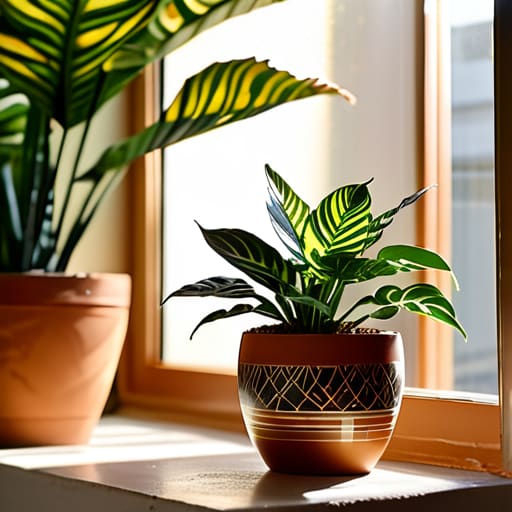
Finding the right light for your greenery is a lot like managing a diverse investment portfolio; you wouldn’t put a high-risk startup in a low-yield savings account, and you shouldn’t put a sun-loving succulent in a dark corner! Understanding indoor plant light requirements is the foundation of a thriving indoor jungle. I remember when I first moved into my tiny SF apartment, I mistakenly placed my delicate Calathea right in a south-facing window. I felt terrible watching those leaves scorch, but it was a massive learning curve. Now, I treat light like a budget—I assess exactly how much “sunlight capital” each room has before I commit to a new leafy friend.
Once you’ve mapped out your light zones, you’ll start to see the magic happen. If you have those bright, airy spots, go wild with tropicals! However, if your space is more “cozy and dim,” don’t fret. You can still build a beautiful sanctuary with low-light varieties. Just remember that consistency is key to preventing stress in your plants, which helps keep them resilient against any uninvited guests.
Choosing the Best Soil for Indoor Plants
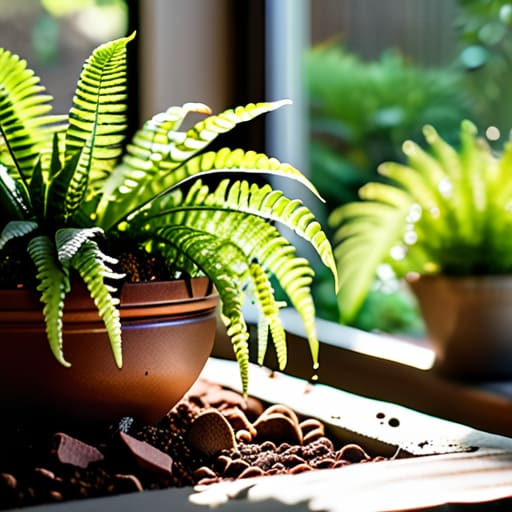
If light is the energy source for your leafy roommates, then think of soil as their financial foundation. Just as I wouldn’t advise investing all my savings into a single volatile stock, you shouldn’t treat every plant the same when it comes to their growing medium. Selecting the best soil for indoor plants isn’t a one-size-fits-all endeavor; it’s about matching the substrate to the specific needs of the species. A succulent, for instance, needs a gritty, fast-draining mix to prevent root rot, whereas a lush fern thrives in something much richer and more moisture-retentive.
I remember my first major “botanical bankruptcy” when I tried to plant a tropical monstera in standard, heavy garden soil. It was a disaster! I quickly learned that creating a well-aerated environment is key. Incorporating perlite or orchid bark can mimic the natural forest floor, ensuring that roots can actually breathe. If you’re feeling a bit adventurous, don’t be afraid to mix your own blends. Finding that perfect texture is a lot like perfecting a fusion recipe—it takes a little experimentation, but once you get the ratio right, watching them flourish is incredibly rewarding.
Mastering the Art of the Routine: My Top 5 Plant Care Secrets
- Listen to what your plants are telling you through their leaves. Just like reading a market trend before making a big move, observing your plants for subtle signs—like drooping or yellowing—can tell you exactly what they need before it becomes a crisis.
- Get intentional with your watering schedule. I used to think more water meant more love, but I learned the hard way that overwatering is the quickest way to “bankrupt” your plant’s health. Always stick your finger in the soil first to check the moisture levels.
- Don’t forget the importance of humidity. Most of our indoor environments are much drier than a tropical rainforest, so if you’re growing something lush, consider a small mister or a pebble tray to keep that moisture in the air.
- Think of fertilizing as your plant’s quarterly bonus. You don’t need to do it constantly, but providing a little extra nutrient support during their growing season can give them the energy they need to really thrive and show off.
- Give them a little TLC with regular dusting. It sounds simple, but wiping down those large leaves helps them “breathe” and photosynthesize more efficiently, much like how a clear workspace helps me focus on a new recipe.
Bringing It All Together: My Green Thumb Cheat Sheet
Treat your plants like a well-managed investment portfolio; consistency is key, so don’t just give them a massive amount of attention once a month, but rather small, steady doses of light and water.
Don’t be afraid to experiment with your soil and light setups—just like perfecting a fusion recipe, finding the right “flavor” for each specific plant takes a little trial and error.
Remember that a little bit of patience goes a long way, whether you’re waiting for a new leaf to unfurl or waiting for that perfect moment to make a big career pivot.
Cultivating Growth Beyond the Pot
“Caring for houseplants taught me that growth isn’t always a straight line upward; sometimes, it’s about adjusting your environment, finding the right light, and realizing that even the smallest bit of patience can turn a struggling leaf into a vibrant new beginning—much like building a career you actually love.”
Rachel Anderson
Nurturing Your Green Sanctuary: The Path to a Thriving Home
At the end of the day, keeping your indoor jungle happy really comes down to mastering a few fundamental variables. We’ve walked through how to decode those tricky light requirements and why investing in the right soil is just as crucial as choosing the perfect recipe for a signature dish. It’s all about finding that sweet spot—much like balancing a complex budget or perfecting a delicate fusion sauce—where the environment meets the specific needs of the plant. If you can get the fundamentals right, you’ll spend much less time troubleshooting wilting leaves and much more time simply enjoying the lush, vibrant energy they bring into your living space.
If I’ve learned anything from my transition from spreadsheets to sourdough, it’s that growth is rarely a straight line. There will be days when a leaf turns yellow or a new sprout doesn’t appear as quickly as you’d like, and that is perfectly okay. Think of your houseplants as a beautiful metaphor for our own career journeys: they require patience, the right nourishment, and a bit of trial and error to truly flourish. Don’t be afraid to make mistakes; they are just part of the learning process. Embrace the journey of growth, and remember that even the smallest bit of effort can lead to something absolutely magnificent.
Frequently Asked Questions
How do I know if I'm overwatering my plants versus just giving them too much love?
Honestly, I’ve been there—mistaking my enthusiasm for actual care! It’s a lot like managing a budget; sometimes we overcompensate when we’re nervous. To tell the difference, check the soil first. If it’s soggy and your plant looks limp or yellow, you’re overwatering. If it’s bone-dry and crispy, it’s thirsty. Trust your intuition, but let the soil be your financial statement—it doesn’t lie about what’s actually happening beneath the surface.
Are there specific plants that are actually "budget-friendly" for someone just starting their indoor jungle?
If you’re looking to build your indoor jungle without draining your savings, think of it like building a diversified investment portfolio: start with the reliable, low-maintenance “blue chips.” Pothos and Snake Plants are absolute game-changers—they’re incredibly hardy and won’t break the bank. Even a ZZ plant offers high returns on your effort! Starting small and budget-friendly allows you to master the basics before investing in those pricier, more temperamental botanical treasures.
How can I tell if my plant is struggling because of the environment or if it's just going through a natural seasonal change?
It’s a bit like navigating a market fluctuation—you have to distinguish between a temporary dip and a fundamental shift. If your plant’s leaves are turning yellow or dropping rapidly, it’s likely an environmental red flag like overwatering or poor light. However, if it’s just slowing down its growth as the days get shorter, it’s likely just settling into its seasonal rhythm. Watch for consistency; true struggle usually comes with visible distress.