I still remember my first professional kitchen in San Francisco—the adrenaline was high, but the stress of a fingerprint-smudged prep table was even higher. I used to think that if I didn’t buy those ridiculously overpriced, boutique polishing sprays, my kitchen would look like a disaster zone. But honestly? Most of those “specialty” products are just a drain on your bank account with zero added value. I spent years analyzing spreadsheets for a living, so I have a very low tolerance for marketing hype that doesn’t deliver a return on investment. Learning how to clean stainless steel shouldn’t require a chemistry degree or a massive budget; it just requires knowing which simple tools actually work.
In this guide, I’m stripping away the fluff and giving you the exact, no-nonsense methods I use in my own kitchen every single day. We aren’t going to waste time on complicated rituals; instead, I’ll show you how to achieve that professional-grade shine using items you likely already have in your pantry. Consider this your practical roadmap to a sparkling kitchen that respects both your time and your wallet.
Table of Contents
- Removing Fingerprints From Stainless Steel for a Polished Life
- The Best Cleaning Products for Metal Surfaces and Busy Lives
- My Pro-Tips for a Kitchen That Shines as Bright as Your Future
- Quick Wins for a Sparkling Kitchen
- ## The Polish of a Prosperous Kitchen
- Shining Bright: Your Path to a Polished Kitchen
- Frequently Asked Questions
Removing Fingerprints From Stainless Steel for a Polished Life
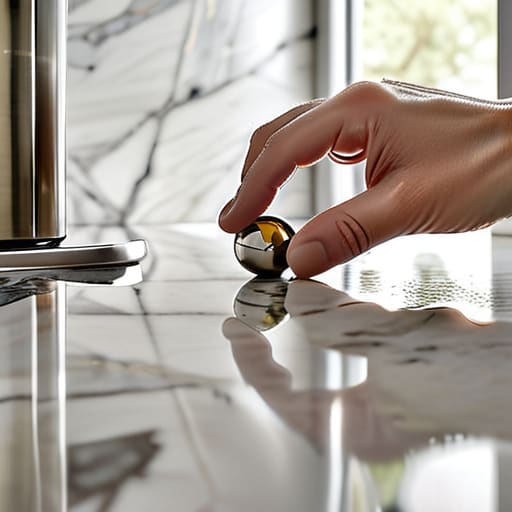
There is nothing quite as demoralizing as spending an hour prepping a complex miso-glazed salmon, only to turn around and see a chaotic map of smudges all over your beautiful fridge. It’s like your hard work is being overshadowed by a messy thumbprint. When it comes to removing fingerprints from stainless steel, I’ve learned that less is often more. You don’t need a cabinet full of harsh chemicals; in fact, I often find that cleaning stainless steel with vinegar and oil is the secret weapon for that professional-grade shine. The vinegar cuts through the oils from your skin, while a tiny drop of olive oil helps buff everything into a seamless, streak-free finish.
However, as someone who treats my kitchen tools like precious investments, I have a golden rule: always wipe in the direction of the grain. It sounds simple, but it is the absolute best way to ensure you’re avoiding scratches on steel that can make a surface look dull over time. Think of it like managing your portfolio—consistency and a gentle touch prevent long-term damage, keeping your kitchen looking as polished as your professional ambitions.
The Best Cleaning Products for Metal Surfaces and Busy Lives
When I was working in finance, I lived by the “efficiency” rule—get in, get it done, and move on. Now that I’m managing a kitchen, I realize that efficiency doesn’t mean using harsh, industrial chemicals that leave your hands feeling like sandpaper. If you’re looking for the best cleaning products for metal surfaces, you don’t always need to run to a specialty store. Sometimes, the most effective tools are already sitting in your pantry.
For instance, I’m a huge advocate for cleaning stainless steel with vinegar and oil. It sounds almost too simple, but a diluted white vinegar spray cuts through grease like a dream, and a tiny drop of olive oil helps buff everything to a mirror-like shine. It’s cost-effective and eco-friendly, which is a win for both your budget and your conscience. However, if you’re tackling a stubborn mess, like a heavily used cleaning stainless steel sink, a gentle, non-abrasive cream cleanser can work wonders. Just remember to always wipe in the direction of the grain; it’s the easiest way to ensure you aren’t accidentally marring that beautiful finish!
My Pro-Tips for a Kitchen That Shines as Bright as Your Future
- Always follow the grain; just like reading a financial report or a vintage recipe, you have to follow the direction of the lines on the metal to avoid streaks and keep everything looking smooth.
- Ditch the abrasive sponges for something softer, like a microfiber cloth, because harsh scrubbing is a recipe for scratches that—much like a bad investment—are hard to undo.
- Keep a bottle of white vinegar on hand for those stubborn water spots, as it’s a budget-friendly, natural way to cut through grime without breaking the bank or your skin.
- A tiny drop of olive oil can work wonders as a finisher; a quick buff with a soft cloth after cleaning will give your appliances that professional, high-end luster.
- Don’t let the cleaning pile up—taking five minutes to wipe down your surfaces after a big meal prevents buildup and keeps your kitchen feeling like a sanctuary rather than a source of stress.
Quick Wins for a Sparkling Kitchen
Don’t let a few smudges derail your flow; a quick wipe with a microfiber cloth can keep your surfaces looking professional without eating into your precious prep time.
Invest in quality, non-abrasive cleaners that respect your tools—think of it as protecting your capital so your kitchen stays as resilient as your career goals.
Consistency over intensity is the secret sauce; a little bit of routine maintenance prevents the buildup that turns a quick clean into a weekend-long chore.
## The Polish of a Prosperous Kitchen
“Think of cleaning your stainless steel not as another item on a never-ending to-do list, but as a way to clear the mental clutter—because there’s nothing quite as satisfying as a sparkling kitchen that reflects both your culinary passion and your drive for excellence.”
Rachel Anderson
Shining Bright: Your Path to a Polished Kitchen
At the end of the day, keeping your stainless steel in top shape doesn’t require a degree in chemistry or a massive budget; it just takes a little bit of consistency and the right approach. Whether you are tackling those stubborn fingerprints that seem to appear the moment you look away, or you are choosing between a specialized cleaner and a simple vinegar solution, remember that the goal is to protect your investment. Think of your kitchen tools like your financial portfolio: a little bit of regular maintenance goes a long way in preventing long-term wear and tear. By using the right products and techniques we’ve discussed, you can ensure your appliances stay as resilient and bright as your culinary ambitions.
As I reflect on my own transition from the structured world of finance to the beautiful chaos of a professional kitchen, I’ve realized that the small details—like a gleaming countertop—actually set the stage for bigger things. A clean, organized space isn’t just about aesthetics; it’s about creating an environment where you can truly thrive and create. Don’t let the fear of a little extra housework stop you from pursuing the flavors and careers that set your soul on fire. Keep your surfaces polished, keep your eyes on your goals, and most importantly, keep cooking with passion. You’ve got this!
Frequently Asked Questions
Is it safe to use vinegar or lemon juice on my expensive appliances, or am I risking permanent damage?
I totally get the hesitation—when you’ve invested your hard-earned savings into high-end appliances, the last thing you want to do is cause permanent damage. The short answer? Yes, they’re generally safe, but with a caveat. Both vinegar and lemon juice are acidic, which makes them great for cutting through grease, but if you leave them sitting too long or don’t rinse them off, they can actually etch the surface. Just use them sparingly and always buff them dry!
How can I tell if my stainless steel is actually "fingerprint-resistant," and does that change how I should clean it?
Here’s the secret: “fingerprint-resistant” is often more of a marketing term than a magic shield. You can usually tell by the finish—if it looks slightly brushed or has a matte texture, it’s designed to diffuse light and hide oils. If it’s super reflective, those smudges will pop! When cleaning, treat these surfaces gently; avoid harsh abrasives that could strip that protective coating, or you’ll end up with a high-maintenance surface that’s anything but.
Are there any specific micro-scratches I should be worried about when I'm scrubbing away tough food stains?
That is such a sharp question! Honestly, it’s the kind of detail that separates a kitchen enthusiast from a pro. You definitely want to watch out for those tiny, directional micro-scratches. If you scrub in circular motions or use anything too abrasive, you’ll end up marring that beautiful grain. Always follow the “brushed” pattern of the metal. Think of it like managing your investments: it’s all about steady, consistent movements rather than erratic, aggressive ones!