I still remember sitting in a glass-walled conference room in downtown San Francisco, staring at a spreadsheet that felt more important than my own life, while a senior partner droned on about “synergistic management strategies.” He made it sound like leadership skills were some mystical, expensive alchemy that you could only acquire through a $5,000 seminar or a corner office. But as I sat there, nursing a lukewarm espresso and realizing I’d rather be perfecting a sourdough starter than analyzing quarterly volatility, I realized he was missing the point entirely. Real leadership isn’t about the jargon or the title on your business card; it’s about the human element that keeps a team from boiling over when the pressure is on.
In this post, I’m stripping away the corporate fluff to give you the real-world toolkit I’ve gathered from both the boardroom and the kitchen. We aren’t going to talk about theoretical models; instead, I’m sharing actionable insights on how to lead with empathy, decisiveness, and a bit of culinary soul. My goal is to help you master your professional influence so you can build a thriving career without losing your sense of self—or your appetite for life.
Table of Contents
- Cultivating Emotional Intelligence in Management for Better Balance
- Effective Communication Strategies for Leaders Who Value Connection
- The Secret Sauce: 5 Leadership Habits That Won't Leave You Burned Out
- The Recipe for Resilient Leadership
- The Secret Ingredient to Leading
- The Secret Sauce to Leading Well
- Frequently Asked Questions
Cultivating Emotional Intelligence in Management for Better Balance
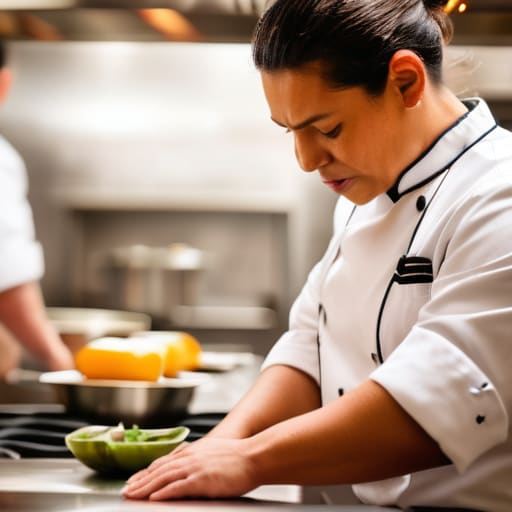
When I was working in high-stakes financial analysis in San Francisco, I saw so many brilliant minds burn out because they treated people like line items on a spreadsheet. They had the technical prowess, but they lacked the human touch. Transitioning into the culinary world taught me that emotional intelligence in management is actually the “secret sauce” that keeps a team from boiling over. It’s about recognizing when a sous-chef is overwhelmed or when a colleague is quietly struggling with burnout, and responding with empathy rather than just a deadline.
Developing this kind of awareness isn’t just about being “nice”; it’s a vital part of strategic decision making. When you understand the emotional landscape of your team, you can navigate high-pressure situations without causing unnecessary friction. Instead of relying on top-down authority, I’ve found that leaning into servant leadership principles—focusing on how you can support your team’s growth—actually creates a more resilient and motivated workforce. It turns a group of individuals into a cohesive unit that can weather any storm, leaving you with more mental energy to actually enjoy your life (and your dinner) once the shift is over.
Effective Communication Strategies for Leaders Who Value Connection

When I was working in finance, I used to think communication was just about delivering a clear report or a precise spreadsheet. I thought if the numbers were right, the job was done. But moving into the culinary world taught me that true connection requires much more than just data; it requires presence. Implementing effective communication strategies for leaders means moving beyond the “what” and focusing on the “how.” It’s about listening to the subtext of a conversation, much like how you have to taste a sauce to understand if it needs a pinch of salt or a splash of acidity.
In my kitchen, and in any high-stakes environment, I’ve found that the best way to build trust is through transparency and active listening. This isn’t just about avoiding misunderstandings; it’s about utilizing servant leadership principles to ensure every member of your team feels heard and valued. When people feel seen, their engagement skyrockets. By fostering an environment where open dialogue is the norm, you aren’t just managing tasks—you are nurturing a culture of mutual respect that can withstand even the most stressful shifts.
The Secret Sauce: 5 Leadership Habits That Won't Leave You Burned Out
- Master the Art of Strategic Delegation—think of it like prepping your mise en place before a big dinner service; you can’t cook everything yourself if you want the meal to be a success, and you certainly can’t scale a business if you’re stuck chopping every single onion.
- Lead with Radical Transparency to Build Trust—just like a clear, well-balanced consommé, leadership works best when there’s no hidden cloudiness; being honest about goals and setbacks keeps your team invested and eliminates the “flavorless” guesswork of office politics.
- Develop Your “Financial Intuition” for Decision Making—even in creative roles, you need to understand the bottom line, because true leadership is about making bold, passionate moves that are backed by a solid economic foundation so your dream doesn’t become a debt trap.
- Practice Active Listening to Uncover Hidden Ingredients—sometimes the best ideas aren’t the ones being shouted from the rooftops, but the subtle notes brought up in a one-on-one; pay attention to what your team isn’t saying to catch potential issues before they boil over.
- Cultivate Resilience Through Calculated Risk-Taking—transitioning from finance to food taught me that you can’t play it safe forever, but you also shouldn’t gamble your entire pantry; learn to take “flavorful” risks that push boundaries while keeping your financial safety net intact.
The Recipe for Resilient Leadership
Think of emotional intelligence as your secret ingredient; it’s the difference between a team that just functions and a team that truly thrives, even when the pressure in the kitchen—or the boardroom—gets intense.
Prioritize authentic connection over rigid hierarchy, because clear, empathetic communication builds a foundation of trust that makes navigating career pivots and professional setbacks much smoother.
True leadership is about finding that sustainable equilibrium where you can drive results and manage others without losing sight of your own personal passions and financial well-being.
The Secret Ingredient to Leading
“True leadership isn’t about micromanaging a spreadsheet or barking orders; it’s about mastering the delicate balance of managing resources while nurturing the people behind them—much like how the best recipes require both precise measurements and a whole lot of heart.”
Rachel Anderson
The Secret Sauce to Leading Well

As we wrap up our deep dive into leadership, it’s clear that being a great boss isn’t about barking orders or obsessing over spreadsheets—though my finance days certainly taught me the value of a solid bottom line. It’s really about the human element. By leaning into emotional intelligence and prioritizing authentic, connection-based communication, you aren’t just managing a team; you’re cultivating an environment where people actually want to show up and thrive. Just like a complex fusion recipe, effective leadership requires the right balance of heat, acidity, and, most importantly, intentionality. When you master these soft skills, you create a professional culture that is as sustainable as it is successful.
Ultimately, I want you to remember that your career is a marathon, not a sprint, and you don’t have to sacrifice your well-being to reach the finish line. Whether you’re navigating a corporate boardroom or launching your own culinary dream, true leadership is about leading with soul. Don’t be afraid to pivot, to learn, and to bring your whole, authentic self to the table. You deserve a career that fuels your ambition without starving your spirit. Now, go out there, lead with purpose, and make sure you save some time for a spectacular dinner tonight.
Frequently Asked Questions
How can I start developing these leadership qualities if I'm not currently in a management role?
You don’t need a fancy title to start leading; honestly, some of my best “management” lessons came while I was still an analyst just watching how teams flowed. Start by practicing “micro-leadership.” Take initiative on a small project, mentor a new hire, or even just facilitate a meeting. Think of it like perfecting a complex recipe—you master the individual techniques before you’re ever trusted with the whole kitchen. Build that influence through reliability and empathy first.
Is it possible to maintain a "soft" leadership style centered on empathy without losing authority or professional respect?
Absolutely. I used to think leadership meant being the loudest voice in the room—the kind of “hard” authority I saw in finance. But honestly? Empathy isn’t a weakness; it’s your secret ingredient. You don’t lose respect by being kind; you gain loyalty. The trick is pairing that warmth with clear, unwavering boundaries. Think of it like a perfect fusion dish: you need the softness of the flavors, but a strong, structured base to hold it all together.
How do you balance the high-pressure demands of leading a team with the need to protect your own mental health and personal time?
Honestly, I learned this the hard way when I transitioned from the high-stakes world of finance to the chaos of a kitchen. You can’t pour from an empty cup—or a depleted bank account. I treat my personal time like a non-negotiable line item in a budget. Setting firm boundaries isn’t being “unprofessional”; it’s essential maintenance. Schedule your downtime just as strictly as your team meetings, and don’t you dare skip your dinner plans.