I remember sitting in my first tiny San Francisco apartment, staring at a beige wall that felt more like a cubicle than a home, clutching a spreadsheet and wondering why every “affordable” design blog seemed to require a massive credit limit. There is this exhausting myth circulating that you need to drop thousands on high-end furniture to actually achieve an aesthetic that feels curated and intentional. It’s incredibly frustrating to see influencers push these hyper-expensive “hacks” that aren’t actually hacks at all—they’re just expensive shopping lists. I’ve learned the hard way that true budget decorating ideas shouldn’t involve draining your emergency fund or compromising your long-term financial goals just to make a living room look Pinterest-worthy.
In this post, I’m stripping away the fluff and sharing the real-world strategies I used to transition my space from a sterile starter apartment to a soulful sanctuary. We aren’t just talking about throwing a cheap throw pillow on a couch; we’re diving into how to blend smart financial discipline with a designer’s eye. I promise to give you honest, experience-based advice on how to cultivate a home you truly love without sacrificing your financial future.
Table of Contents
- Thrift Store Decor Finds for a Soulful Space
- Low Cost Interior Design Tips for Financial Peace
- Small Shifts, Big Impact: My Favorite Low-Stakes Ways to Refresh Your Space
- Making Your Space Work for Your Wallet and Your Soul
- The True Value of a Home
- Creating a Space That Nourishes Your Soul
- Frequently Asked Questions
Thrift Store Decor Finds for a Soulful Space
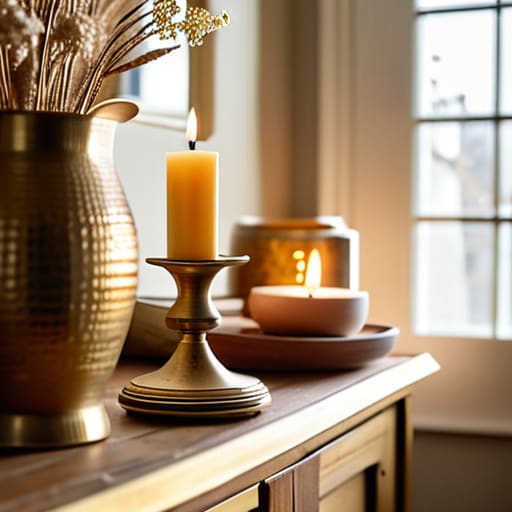
If there is one thing my obsession with vintage cookbooks has taught me, it’s that the most beautiful things often have a history. I used to think that creating a curated, high-end aesthetic required a massive credit limit, but my time in finance taught me to look for value where others see nothing. One of my favorite thrift store decor finds involves hunting for those heavy, brass candlesticks or unique ceramic vases that feel like they have a soul. These small, tactile pieces add a layer of warmth that a big-box retailer simply can’t replicate.
Beyond the small trinkets, I’m a huge advocate for repurposing old furniture to give your space a custom feel. I once found a mid-century modern side table at a local flea market that was practically falling apart; with a little sanding and a fresh coat of sage green paint, it became the centerpiece of my studio. It wasn’t just about saving money—it was about the satisfaction of breathing new life into something forgotten. When you approach decorating this way, you aren’t just filling a room; you’re storytelling through your surroundings.
Low Cost Interior Design Tips for Financial Peace
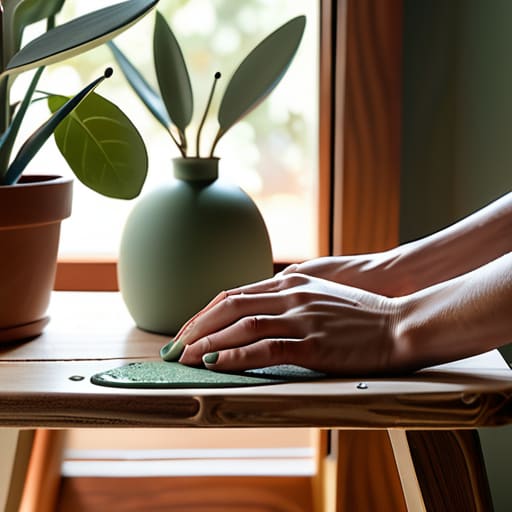
When I was working in finance, I used to think that “investing” only happened in the stock market. But as I’ve transitioned into the culinary world, I’ve realized that investing in your environment is just as crucial for your mental well-being. You don’t need a massive renovation budget to shift the energy of a room; sometimes, the best low cost interior design tips involve looking at what you already own through a new lens. I’m a huge advocate for repurposing old furniture—think about that mid-century side table that needs a little sanding or a fresh coat of sage green paint. It’s much more rewarding (and much easier on your savings account) than buying something mass-produced that lacks soul.
Another way to find that sweet spot between style and stability is through minimalist budget decorating. Instead of filling every corner with “stuff,” try focusing on one or two high-impact changes, like swapping out old hardware or rearranging your layout to catch the natural light. It’s all about intentionality over excess. By curating your space rather than just consuming, you protect your financial peace while building a home that actually feels like you.
Small Shifts, Big Impact: My Favorite Low-Stakes Ways to Refresh Your Space
- Lean into the power of “textile therapy”—swapping out old throw pillows or adding a textured linen blanket can completely change the vibe of your living room without you having to touch a single piece of heavy furniture.
- Don’t underestimate the magic of a good old-fashioned paint job; a single accent wall in a calming sage green or a warm terracotta can provide that high-end, designer feel for the price of a few cans of paint and a weekend of work.
- Use your greenery as living decor by propagating plants from your existing collection; it’s essentially free art that breathes life into your corners and makes your home feel much more lush and intentional.
- Rearrange your current layout before you even think about hitting the checkout button on a new shopping cart—sometimes just shifting your bookshelf or rotating your rug can make a room feel entirely new to your eyes.
- Invest in lighting rather than “stuff”; replacing a harsh overhead bulb with a warm, dimmable lamp or some inexpensive fairy lights creates an ambiance that makes even a budget-friendly room feel incredibly sophisticated and cozy.
Making Your Space Work for Your Wallet and Your Soul
View decorating as a slow, intentional process rather than a shopping spree; by mixing thrifted treasures with mindful spending, you create a home that feels curated and soulful rather than just “bought.”
Prioritize “high-impact, low-cost” changes—like rearranging your current layout or updating lighting—to gain immediate visual satisfaction without dipping into your emergency fund.
Remember that a beautiful home shouldn’t come at the expense of your financial peace; the goal is to build a sanctuary that nourishes your spirit while keeping your long-term economic goals firmly on track.
The True Value of a Home
“Decorating your space shouldn’t feel like a high-stakes financial gamble; it’s about curating a sanctuary that feeds your soul without draining your savings account.”
Rachel Anderson
Creating a Space That Nourishes Your Soul
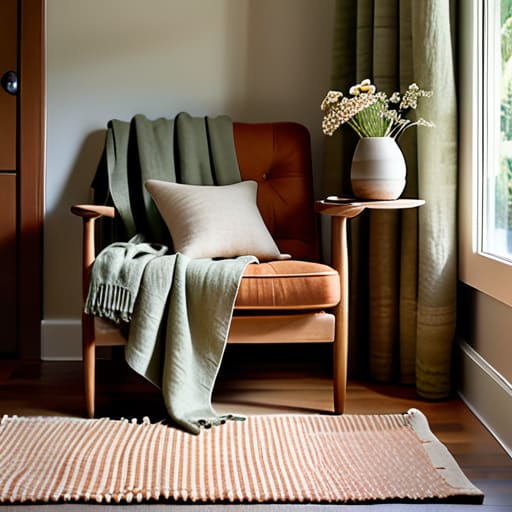
As we wrap things up, I hope you see that decorating your home doesn’t require a massive windfall or a complete overhaul of your savings account. From hunting down those unique, character-filled pieces at thrift stores to implementing small, intentional design shifts that prioritize your peace of mind, every little bit counts. It’s really about the strategic blend of creativity and fiscal responsibility. By focusing on what truly adds value to your daily life—rather than just chasing the latest expensive trends—you can build a sanctuary that feels authentically yours without compromising your long-term financial goals.
At the end of the day, your home should be more than just a place to store your things; it should be a reflection of your journey and a soft place to land after a long day. Just like when I transitioned from the high-stakes world of finance to the kitchen, I learned that the most rewarding things in life often come from intentionality and passion rather than a massive budget. Don’t be afraid to experiment, to fail, or to start small. Remember, you are the architect of both your bank account and your environment. So, go ahead—grab that vintage vase, rearrange your books, and build a life (and a home) that you truly love living in.
Frequently Asked Questions
How do I make thrifted or secondhand items look high-end rather than just cluttered?
The secret to avoiding that “cluttered” look is all about intentionality—think of it like seasoning a dish; you want flavor, not just salt. First, curate your finds; only bring home pieces that truly speak to your aesthetic. Then, use the “Rule of Three” to group items, and don’t be afraid to give them a little TLC with a fresh coat of paint or new hardware. It’s about elevating the individual piece so it feels like a deliberate choice, not an accident.
Are there specific ways to prioritize my decorating budget so I don't end up with a house full of "stuff" but no real sense of style?
Think of your home like a well-balanced recipe: you don’t want to over-season with too many spices, or you’ll lose the main flavor. I always tell my friends to invest in “anchor pieces”—the high-quality items like a sturdy sofa or a beautiful dining table—and then layer in the personality through affordable, thrifted accents. Prioritize items that serve a function and reflect your soul, rather than just filling empty corners with clutter.
How can I balance my desire for a beautiful, curated home with the need to keep my emergency fund and long-term savings intact?
I totally get it—the tension between wanting a Pinterest-worthy sanctuary and protecting your financial safety net is real. My rule of thumb? Treat your home decor like a “slow-cook” recipe rather than a fast-food impulse buy. Instead of a massive spending spree, allocate a tiny, fixed “aesthetic fund” each month. This way, you’re curating your space piece by piece without ever touching your emergency fund or compromising your long-term wealth.